
Iron Deficiency Anemia in Women: Understanding, Preventing, and Treating This Common Condition

Iron Deficiency Anemia in Women: Understanding, Preventing, and Treating This Common Condition
At Sidra Family Hospital, we recognize the distinct health needs of women within our community. Iron deficiency anemia stands as a prevalent concern, particularly affecting pregnant mothers and those experiencing heavy menstrual periods across Pakistan. This condition often gets mistaken for everyday fatigue, yet symptoms like persistent weakness, pale skin, hair loss, and dizziness signal a deeper health issue that demands attention.
Your body critically relies on iron to produce healthy red blood cells. These cells are essential for transporting oxygen throughout your body, a fundamental process for your overall well-being and vitality. Understanding the signs and seeking timely care can make a significant difference in your health and the health of your family.
The Translation: Unpacking Iron Deficiency Anemia in Women
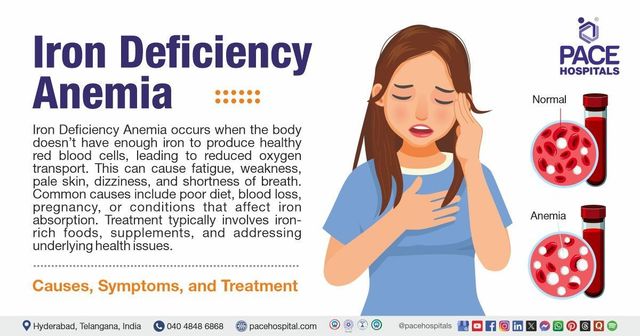
Iron deficiency anemia occurs when your body lacks sufficient iron to produce enough healthy red blood cells. Without adequate iron, your body cannot create hemoglobin, the protein in red blood cells responsible for carrying oxygen from your lungs to the rest of your body. This results in reduced oxygen delivery, leading to many of the common symptoms associated with anemia.
What Are the Causes of Iron Deficiency Anemia in Women?
Several factors uniquely contribute to iron deficiency in women. Heavy menstrual bleeding is a primary cause, as significant blood loss each month depletes the body’s iron stores. Pregnancy dramatically increases iron requirements to support both the mother and the developing fetus, often leading to deficiency if not adequately managed.
Other causes include insufficient dietary iron intake, especially for women following restrictive diets. Impaired iron absorption due to certain medical conditions, or internal bleeding that may go unnoticed for some time, can also play a role. Understanding these causes is the first step toward effective prevention and treatment.
What Are the Signs & Symptoms of Iron Deficiency Anemia in Women?
The signs and symptoms of iron deficiency anemia can be subtle at first and often worsen as the deficiency progresses. Many women initially dismiss these as simple tiredness or stress. Common indicators include extreme fatigue, general weakness, and pale skin, particularly noticeable on the inner eyelids and fingernails.
Other symptoms can manifest as shortness of breath, dizziness or lightheadedness, cold hands and feet, brittle nails, and hair loss. Some women also experience unusual cravings for non-nutritive substances like ice, dirt, or starch (a condition known as pica). Headaches, chest pain, and a fast heartbeat may also occur in more severe cases. If you notice any of these persistent symptoms, it is crucial to consult a medical professional.

The Socio-Economic Impact: Iron Deficiency and Pakistani Families
In Pakistan, iron deficiency anemia is not just an individual health issue; it carries significant socio-economic implications for families and communities. Its prevalence among women, particularly those of reproductive age and pregnant mothers, is alarmingly high. This widespread condition can hinder a woman’s ability to participate fully in daily activities, impacting household productivity and income generation.
For pregnant women, iron deficiency increases the risk of complications during childbirth, including premature birth and low birth weight infants. Children born to anemic mothers may face developmental delays and struggle with cognitive function, affecting their performance in school and their future prospects. The hidden burden of reduced energy and compromised health can perpetuate cycles of poverty and limit the potential of entire families.

The Forward Path: Prevention, Treatment, and Sidra Family Hospital’s Support
Addressing iron deficiency anemia requires a comprehensive approach focusing on prevention, early diagnosis, and effective treatment. At Sidra Family Hospital, our compassionate Gynaecology, Nutrition, and Pediatrics specialists are dedicated to providing expert care, ensuring the health of you and your family.
How Much Iron Do I Need?
The amount of iron you need daily varies based on age, gender, and life stage. Adult women generally require more iron than men due to menstrual blood loss. During pregnancy, iron requirements increase significantly to support the growing baby and placenta, making supplementation often necessary. Consulting with a healthcare provider can help determine your specific daily iron needs.
How Can I Prevent Iron-Deficiency Anemia If I Am Pregnant?
Preventing iron deficiency during pregnancy is paramount for both maternal and fetal health. Regular prenatal check-ups at Sidra Family Hospital are essential, where your doctor will monitor your iron levels. Iron supplements are often prescribed as a preventative measure, alongside dietary advice to ensure adequate intake of iron-rich foods and Vitamin C to enhance absorption. Never self-medicate, always follow your doctor’s recommendations.
Does Birth Control Help to Improve Iron-Deficiency Anemia?
For women experiencing heavy menstrual bleeding, certain types of birth control, particularly hormonal contraceptives, can be an effective way to reduce blood loss and subsequently improve or prevent iron deficiency anemia. By regulating and lightening periods, these methods can help the body retain its iron stores. Discussing this option with our gynaecologists can help determine if it is a suitable part of your treatment plan.
How Is Iron Deficiency Anemia in Women Treated?
Treatment for iron deficiency anemia typically involves identifying and addressing the underlying cause, alongside increasing iron levels. This often includes iron supplementation, prescribed by a doctor, to replenish the body’s stores. Dietary modifications, focusing on iron-rich foods such as lean meats, lentils, beans, spinach, and fortified cereals, are also crucial. Pairing these with Vitamin C-rich foods like citrus fruits and bell peppers can significantly enhance iron absorption.
Our nutrition specialists can provide personalized dietary advice, while our gynaecologists can help manage heavy menstrual bleeding if that is a contributing factor. For more severe cases, or if oral supplements are not effective, intravenous iron therapy may be considered. Our team works collaboratively to provide a tailored treatment plan for your unique needs, ensuring a healthier, more energetic life for you and your family.
When Should I See a Doctor?
If you suspect an iron deficiency or experience any of the persistent symptoms mentioned, it is vital to seek medical attention. Avoiding self-medication is crucial, as improper iron supplementation can have adverse effects. At Sidra Family Hospital, our dedicated Pediatrics, Gynaecology, and Nutrition departments offer comprehensive diagnosis and personalized treatment plans, ensuring your family receives compassionate, expert care. We are here to support you on your journey to better health.