Navigating the Milestone: Potty Training and School Readiness for Pakistani Families
At Sidra Family Hospital, we believe transitioning your toddler from diapers is a vital developmental milestone. This journey requires a “family-first” approach rooted in patience, consistency, and professional medical guidance.
As your child prepares for kindergarten, the transition from home to a structured school environment involves more than just academic readiness. It requires physical independence, specifically in managing bathroom needs and developing strong cognitive pathways through communication.
The Translation: Understanding the Developmental Shift
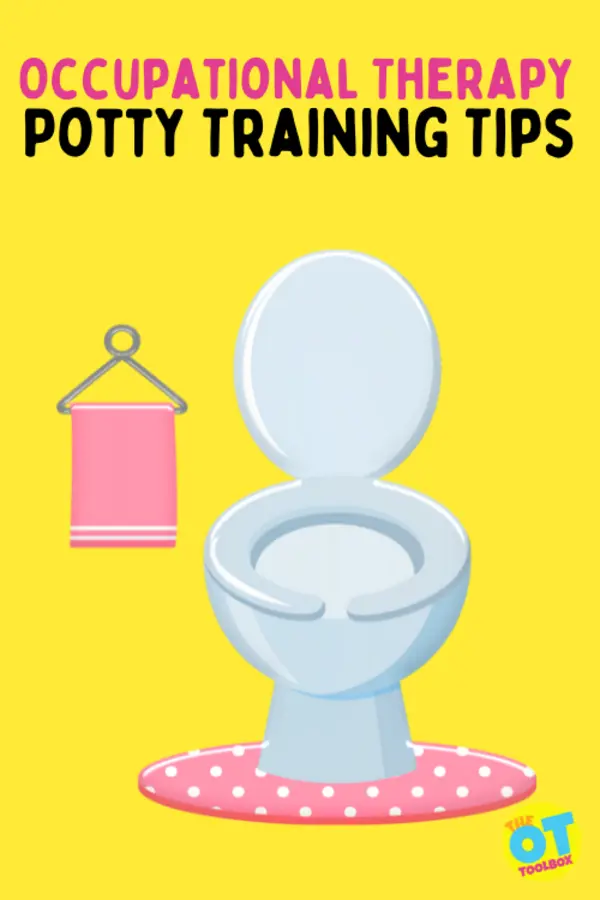
In medical terms, potty training is not merely a behavioral habit but a complex neuro-physical achievement. It requires the brain to recognize signals from the bladder and bowels while the child learns to navigate social expectations. At Sidra Family Hospital, our Pediatrics department emphasizes that this is a developmental journey, not a race.
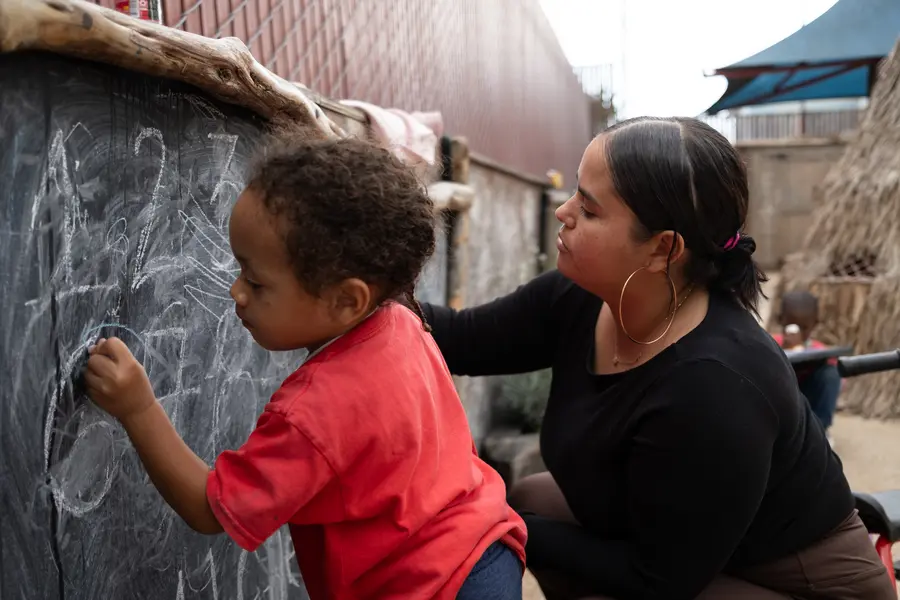
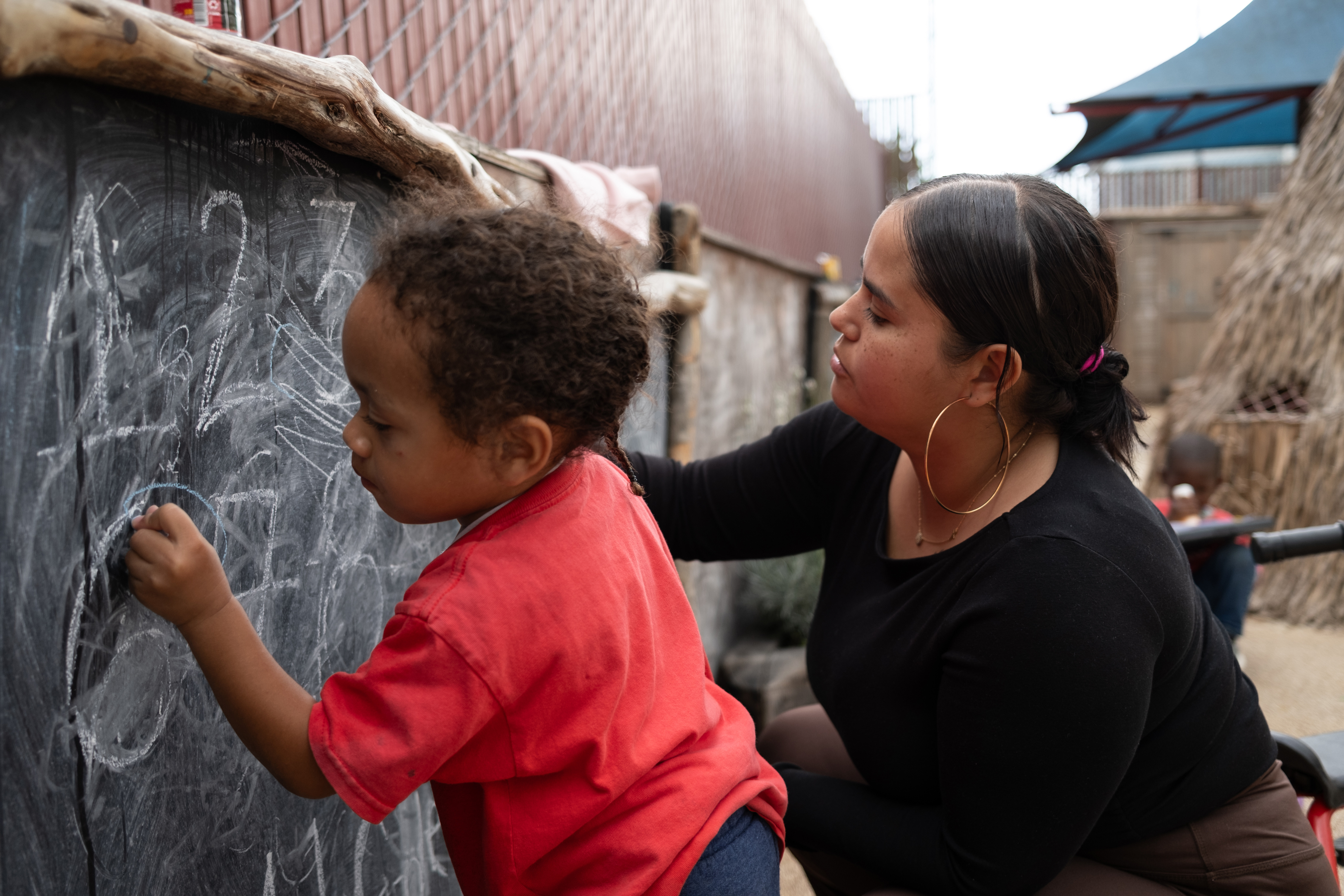
Alongside physical training, cognitive development is fueled by “serve and return” interactions. This refers to the active, back-and-forth communication between a parent and child. Whether you are discussing the steps of using the toilet or reading a book together, these interactions strengthen the neural circuits essential for school success.

The Socio-Economic Impact: The Pakistani Context
In Pakistan, families often face unique challenges during this transition. With many households shifting from joint family structures to nuclear ones, the traditional support system for early childhood training has evolved. Parents today often balance demanding careers with the pressure to have their children “school-ready” by age three or four.
Furthermore, many local preschools require children to be fully potty trained before enrollment. This can create significant stress for families, leading to “potty anxiety” for the child. When children struggle with persistent accidents or chronic constipation (qabz), it can impact their social confidence and their parents’ ability to maintain steady employment, creating a ripple effect on the family’s economic stability.
The Forward Path: Practical Steps and Prevention
The path to success involves a structured routine and empathetic encouragement. Sidra Family Hospital recommends the following steps to ensure a smooth transition:
- Establish a Routine: Consistency is key. Schedule regular bathroom breaks, especially after meals, to normalize the process.
- Use Positive Reinforcement: Celebrate small wins with verbal praise or simple rewards to build your child’s confidence.
- Prioritize Nutrition: A diet rich in fiber helps prevent qabz (constipation), which is a leading cause of bathroom refusal in toddlers.
- Model Communication: Use open-ended questions during playtime to nurture the critical thinking skills your child will need in the classroom.

If your child is five years old and still experiencing frequent accidents, or if you notice signs of severe anxiety regarding school restrooms, it is time to seek professional help. Our specialized Pediatrics Department at Sidra Family Hospital provides comprehensive medical evaluations and personalized guidance.
From nutrition counseling to behavioral support, SFH is dedicated to supporting Pakistani families through every growth stage. Trust us to be your partner in nurturing the next generation with clinical excellence and compassionate care. Together, we ensure your child achieves their milestones with ease and dignity.