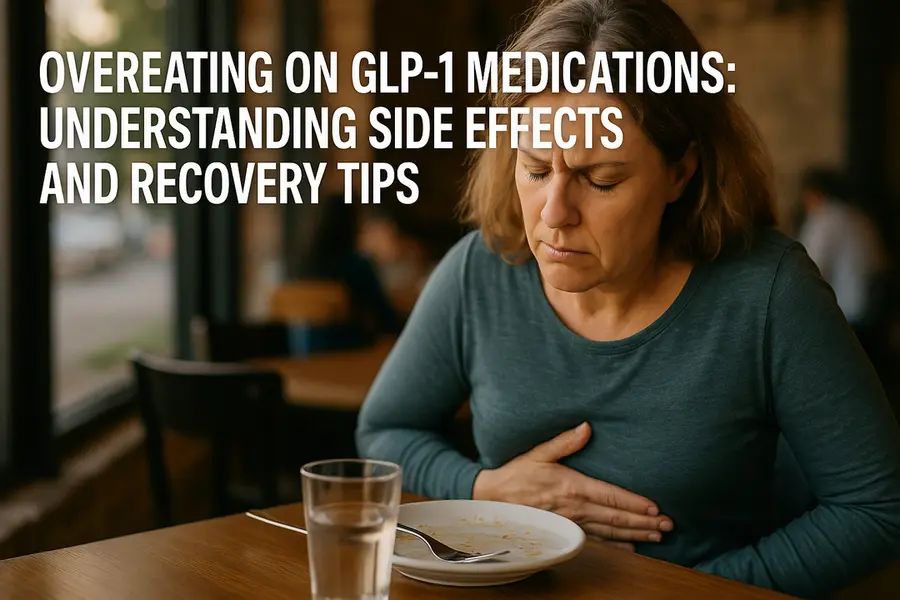
Navigating Overeating on GLP-1 Medications: A Family-First Guide from Sidra Family Hospital

GLP-1 medications represent a significant advancement in managing conditions like obesity and type 2 diabetes. While incredibly effective, patients sometimes experience discomfort, particularly when overeating. At Sidra Family Hospital, we empower our patients with the knowledge to navigate their health journey successfully. This article provides a family-first guide to understanding and managing the side effects of overeating while on GLP-1 medications, ensuring comfort and continued progress towards your health goals.
The Translation: How GLP-1 Medications Reshape Your Digestion
GLP-1 receptor agonists (Glucagon-Like Peptide-1) mimic a natural hormone in your body, primarily helping to regulate blood sugar and promote weight loss. Their mechanism fundamentally changes how your digestive system operates, influencing both satiety and gastric motility.
Slowed Stomach Emptying
One of the primary ways GLP-1 medications work is by significantly slowing the rate at which food leaves your stomach. This prolonged gastric emptying keeps you feeling fuller for longer. While beneficial for weight management, it means if you consume a large quantity of food, your stomach remains distended for an extended time, leading to significant discomfort. This can manifest as bloating, excessive fullness, and even pain.
Altered Hunger Signals
Beyond slowing digestion, GLP-1 medications also influence the brain’s appetite centers, reducing hunger and increasing feelings of satiety. However, habits or social pressure can sometimes override these new signals. When you eat beyond your body’s new, lower comfort threshold, the digestive slowdown exacerbates the feeling of being uncomfortably full. Understanding these physiological changes is key to managing potential challenges.

The Socio-Economic Impact: Supporting Families in Pakistan
In Pakistan, managing chronic conditions with advanced medications like GLP-1s brings unique challenges. Sidra Family Hospital recognizes that health management is a family endeavor, deeply intertwined with cultural and socio-economic factors.
Access to Specialized Care
Access to specialized guidance on GLP-1 use and managing side effects is crucial. Sidra Family Hospital’s dedicated Nutrition Department and endocrinology specialists provide this expertise, ensuring patients receive comprehensive support. This is vital in regions where specialized medical advice might be less accessible, allowing families to confidently navigate treatment plans.
Dietary and Cultural Adaptations
Pakistani cuisine often features rich, calorie-dense dishes, and communal eating is central to family life. Adapting to smaller portions and different food choices while on GLP-1 medications can be challenging. Our team helps families develop strategies to enjoy cultural traditions mindfully, emphasizing portion control and healthier ingredient choices without sacrificing the joy of shared meals.
The Forward Path: Managing Discomfort and Thriving on GLP-1 Medications
Successfully managing GLP-1 medications involves proactive strategies and a deep understanding of your body’s new signals. Here are practical steps to mitigate discomfort and ensure a positive treatment experience.
Immediate Relief Measures
If you experience discomfort after overeating, gentle, slow movement, such as a short walk, can help stimulate digestion. Sipping small amounts of water or clear, unsweetened fluids throughout the day is crucial for hydration and aiding stomach motility. Avoid lying down immediately after eating. Opt for bland foods if you feel nauseous, and steer clear of fatty, spicy, or sugary foods, which can exacerbate symptoms.
Preventative Strategies
- Mindful Eating: Practice eating slowly, chewing each bite thoroughly. This allows your brain and stomach to communicate effectively, giving you time to recognize when you are comfortably full.
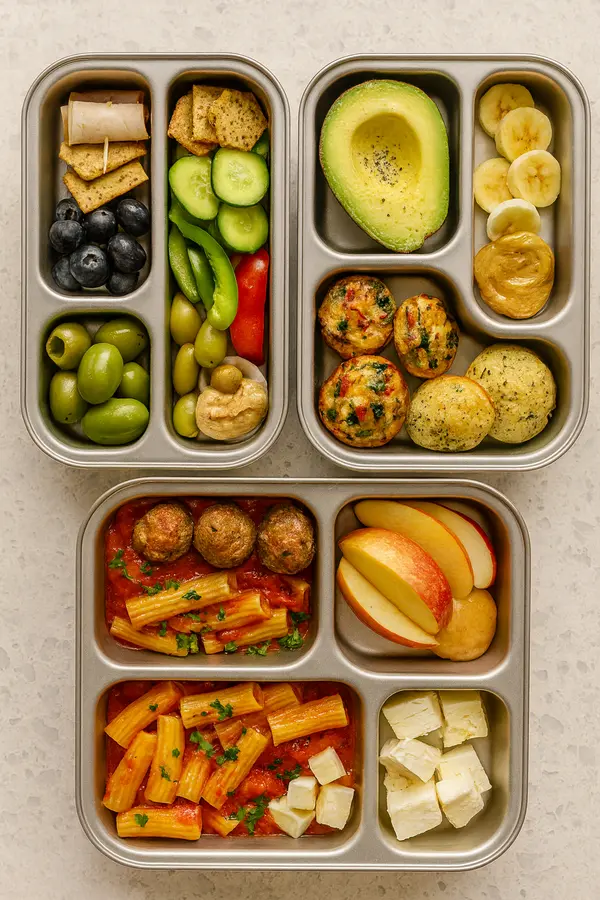
- Portion Control: Start with smaller portions. Your body’s capacity has changed. Use smaller plates, measure servings, and avoid “seconds.” Focus on lean proteins, fiber-rich vegetables, and healthy fats.
- Consistent Hydration: Drink plenty of water throughout the day, but avoid large quantities of fluids with meals.
Navigating Social Eating
Social gatherings require a conscious strategy. Don’t be afraid to communicate your dietary needs discreetly. Consider eating a small, healthy snack before attending an event to curb extreme hunger. At the event, choose lighter options, focus on conversation, and politely decline additional servings. Your health is your priority.

When to Contact Your Healthcare Provider
While mild discomfort is common, certain symptoms warrant immediate medical attention. Contact Sidra Family Hospital if you experience severe abdominal pain, persistent vomiting, signs of dehydration (e.g., decreased urination, extreme thirst, dizziness), or high fever. Our dedicated team is here to provide expert guidance and ensure your safety and well-being.
Conclusion
Embracing GLP-1 medications is a step towards a healthier future. By understanding their impact and adopting mindful eating habits, you can effectively manage potential side effects and achieve your health goals. Sidra Family Hospital is your trusted partner, offering compassionate, expert guidance every step of the way.