
Simple Steps to Prevent Kidney Stones: Hydration and Diet Tips for Your Family’s Health

Simple Steps to Prevent Kidney Stones: Hydration and Diet Tips for Your Family’s Health
At Sidra Family Hospital, we believe that a healthy family is a happy family. We understand the concern that conditions like kidney stones can bring. These painful conditions, while common, are often preventable with simple, mindful lifestyle choices. Our “Family-First” approach means we are dedicated to empowering you with the knowledge and tools to safeguard your loved ones’ well-being, focusing on proactive health management rather than just treatment.
This article will guide you through practical, evidence-based strategies for kidney stone prevention, emphasizing the crucial roles of hydration and diet. By making small, consistent changes, your family can significantly reduce the risk of developing these uncomfortable stones and embrace a healthier future.
The Translation: Understanding Kidney Stones
What Exactly Are Kidney Stones?
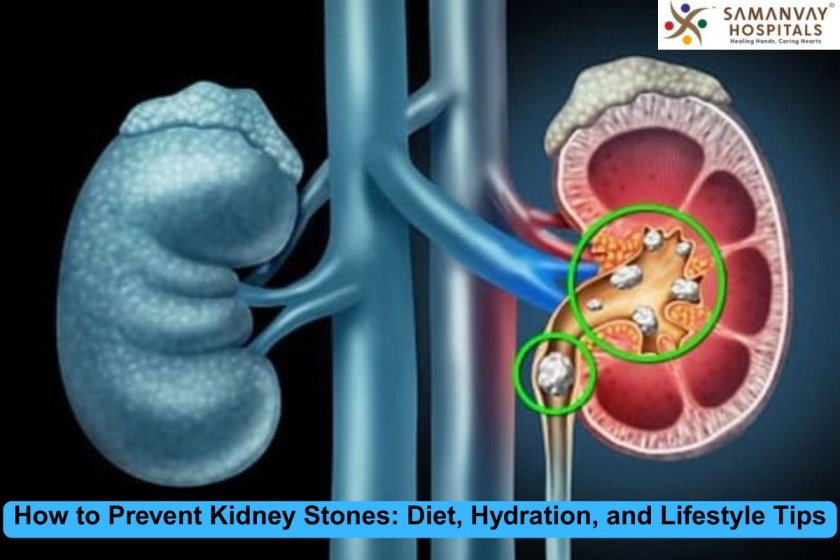
Kidney stones are hard deposits made of minerals and salts that form inside your kidneys. They can vary in size, from as small as a grain of sand to as large as a pearl. While some stones pass without much discomfort, larger ones can get stuck in the urinary tract, causing excruciating pain and potential complications.
Understanding these formations is the first step in effective kidney stone prevention. Most stones are calcium oxalate, but others can be made of uric acid, struvite, or cystine. The type of stone can influence specific dietary recommendations.
Common Causes and Symptoms
Several factors contribute to kidney stone formation. Dehydration is a primary culprit, as it allows stone-forming minerals to become concentrated in the urine. Dietary habits, certain medical conditions, and even genetics can also play a role. Common symptoms include severe pain in the side and back, pain during urination, discolored or foul-smelling urine, and nausea or vomiting. Early awareness and preventive measures are crucial.

The Socio-Economic Impact: Kidney Stones and Pakistani Families
A Growing Concern in Our Community
Kidney stones are a significant health challenge in Pakistan, affecting a considerable portion of the population. Factors such as a hot climate leading to dehydration, dietary patterns, and increasing prevalence of conditions like obesity and diabetes contribute to this widespread issue. Sidra Family Hospital recognizes this trend and is committed to providing accessible and effective strategies for kidney stone prevention that resonate with our local context.
Impact on Daily Life and Family Well-being
The sudden onset of severe pain from kidney stones can disrupt not only an individual’s life but also the entire family’s routine. It can lead to missed work or school days, affecting productivity and potentially causing financial strain due to medical expenses. The emotional toll of managing chronic pain and uncertainty also impacts family well-being. By focusing on prevention, families can avoid these disruptions and maintain a healthier, more stable environment.
The Forward Path: Proactive Prevention for a Healthier Future
The Power of Hydration
Consistent and adequate hydration is the single most critical step in kidney stone prevention. When you drink enough fluids, your urine becomes less concentrated, making it harder for stone-forming minerals to crystallize and clump together.
Daily Water Intake Recommendations
Aim to drink at least 2 to 3 liters (approximately 8 to 12 glasses) of fluids daily. The best indicator of adequate hydration is light-colored, nearly clear urine. Keep a water bottle handy throughout the day and make drinking water a regular habit, especially with meals.
The Benefits of Lemon and Lime
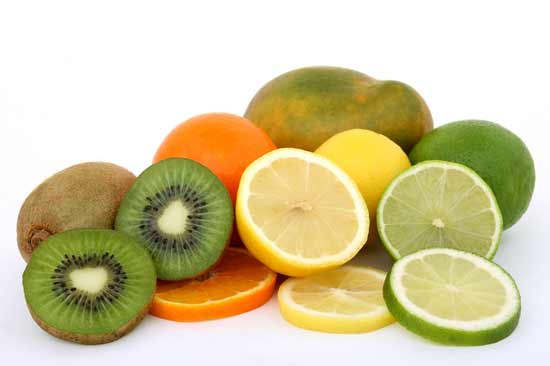
Adding lemon or lime juice to your water offers an extra layer of protection. These citrus fruits are rich in citrate, a natural inhibitor of stone formation. Citrate can bind to calcium in urine, preventing it from forming stones, and can also help break down existing small stones. This simple addition can be a powerful tool in your prevention strategy.
Staying Hydrated in Hot Climates
Given Pakistan’s often hot climate, staying hydrated requires extra vigilance. Increase your fluid intake during hot weather or when engaging in physical activity. Electrolyte-rich fluids might be beneficial after intense sweating, but plain water should remain your primary source of hydration.
Dietary Choices: What to Embrace
Your diet plays a significant role in reducing your risk of kidney stones. Incorporating certain foods can actively work against stone formation.
Calcium-Rich Foods
Contrary to popular belief, getting adequate calcium from food sources can actually help prevent kidney stones, particularly calcium oxalate stones. Calcium binds with oxalate in the gut before it can reach the kidneys. Include dairy products like milk, yogurt, and cheese, as well as leafy green vegetables, in your daily diet. Do not over-supplement with calcium unless advised by a doctor, as this can have the opposite effect.
Fruits and Vegetables for Citrate
Beyond lemons and limes, many other fruits and vegetables can boost your citrate levels. Oranges, melons, and berries are excellent choices. A diet rich in diverse fruits and vegetables also provides essential vitamins and fiber, contributing to overall kidney health and making kidney stone prevention more effective.
The Role of Whole Grains
Whole grains like oats, brown rice, and whole wheat bread offer fiber and various nutrients. They contribute to a balanced diet, which is fundamental for overall health and can indirectly support kidney stone prevention by promoting healthy digestion and nutrient absorption.
Foods to Limit or Avoid
Just as some foods help, others can increase your risk of kidney stones. Being mindful of these can make a big difference.
High-Sodium Foods
A diet high in sodium can increase the amount of calcium in your urine, making stone formation more likely. Reduce your intake of processed foods, canned goods, fast food, and excessive table salt. Opt for fresh ingredients and season your meals with herbs and spices instead.
Excessive Animal Protein and Purine-Rich Foods
Too much animal protein, such as red meat, poultry, and eggs, can increase uric acid levels and decrease citrate in your urine, both of which promote stone formation. Limit your portion sizes of animal protein and consider incorporating more plant-based protein sources like legumes and tofu. Foods rich in purines, such as organ meats and certain seafood, should also be consumed in moderation, especially for those prone to uric acid stones.
High-Oxalate Foods
If you are prone to calcium oxalate stones, your doctor might recommend limiting foods high in oxalate. These include spinach, rhubarb, almonds, cashews, chocolate, and sweet potatoes. You don’t necessarily need to eliminate them entirely, but balancing them with calcium-rich foods can help.
Sugary Drinks and Soft Drinks
Sugary beverages and soft drinks, particularly those sweetened with high-fructose corn syrup, have been linked to an increased risk of kidney stone formation. They can dehydrate you and contribute to metabolic imbalances that favor stone development. Choose water as your primary beverage.
Essential Lifestyle and Supplement Tips
Beyond diet and hydration, other lifestyle factors contribute to effective kidney stone prevention.
Maintaining a Healthy Weight
Obesity is a known risk factor for kidney stone development. Maintaining a healthy weight through regular exercise and a balanced diet can significantly reduce your risk. Even modest weight loss can offer protective benefits for your kidneys.
Caution with Vitamin C Supplements
While Vitamin C is essential, high doses of vitamin C supplements (especially over 1,000 mg per day) can increase the amount of oxalate produced by your body, potentially leading to calcium oxalate stones. Always consult your doctor before taking high-dose supplements.
When to Seek Personalized Medical Advice
While these general guidelines are highly effective for kidney stone prevention, individual needs can vary. If you have a history of kidney stones, a family history, or other underlying health conditions, personalized advice is crucial. Our dedicated Specialized Care and Nutrition departments at Sidra Family Hospital are here to provide tailored guidance. We can help you understand your specific stone type, if applicable, and develop a comprehensive prevention plan designed for your unique health profile. Don’t hesitate to reach out if you experience persistent pain, blood in your urine, or recurrent kidney stone episodes.
Key Takeaways for Kidney Stone Prevention
Preventing kidney stones is a journey that involves conscious choices and a commitment to your health. Remember these key strategies:
- Stay consistently hydrated with 2-3 liters of water daily.
- Incorporate lemon or lime into your water for added citrate.
- Embrace a diet rich in fruits, vegetables, and whole grains.
- Ensure adequate calcium intake from food sources.
- Limit high-sodium foods, excessive animal protein, and sugary drinks.
- Be mindful of high-oxalate foods if you are susceptible.
- Maintain a healthy weight and exercise regularly.
- Consult with our specialists for personalized dietary and lifestyle advice.
At Sidra Family Hospital, your family’s health is our priority. By adopting these simple yet powerful steps, you can significantly reduce your risk of kidney stones and enjoy a future of greater comfort and well-being. We are here to support you every step of the way with compassionate and expert care.