
Your Comprehensive Pregnancy Nutrition Guide: What to Eat & Avoid for a Healthy Journey
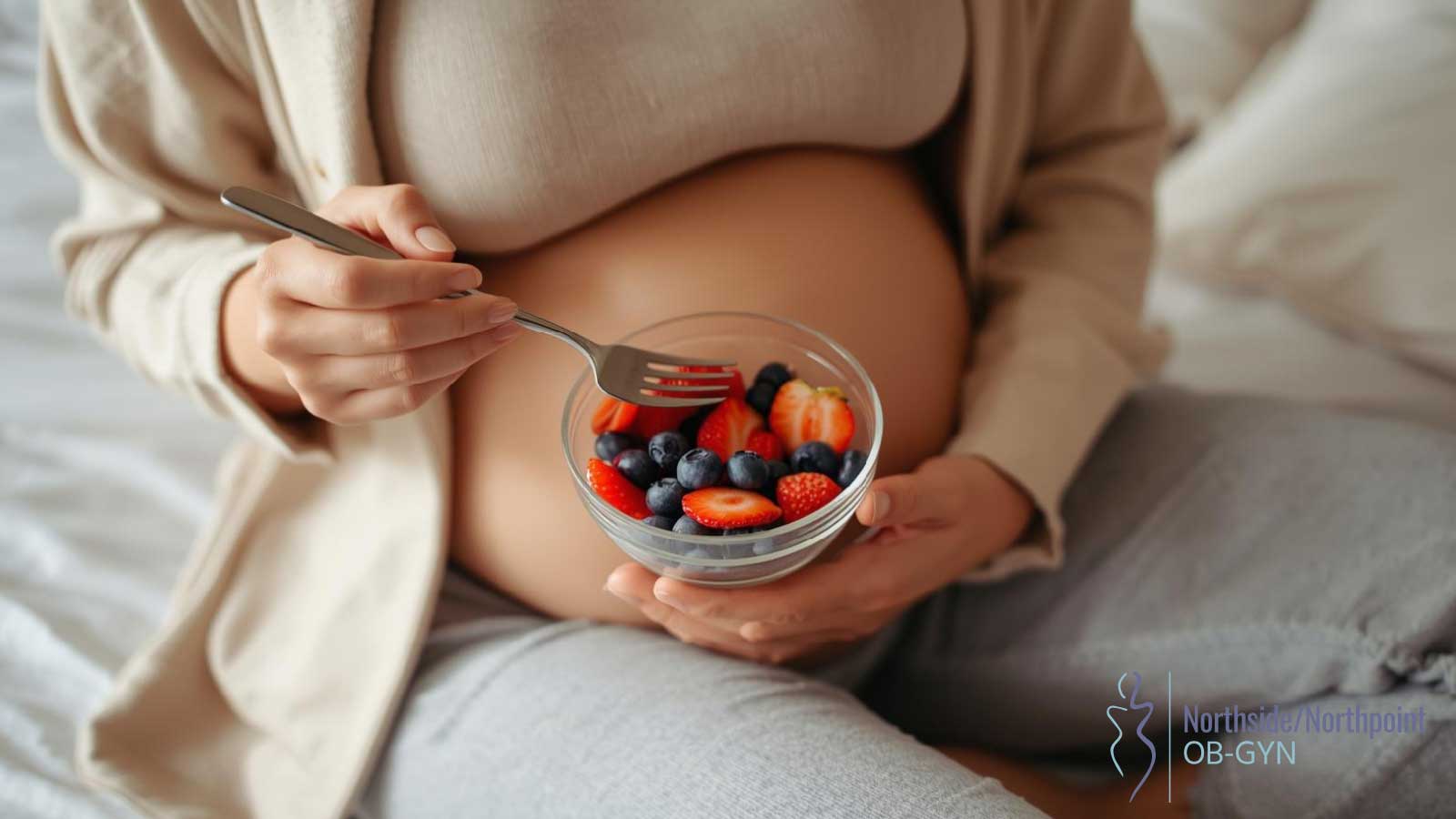
At Sidra Family Hospital, we believe that understanding pregnancy nutrition is a cornerstone of a healthy and joyful motherhood journey. The food choices you make significantly impact both your well-being and your baby’s optimal development. This guide provides clear, actionable insights into what to eat and what to avoid, ensuring you make informed decisions throughout this incredible time.
The Translation: Decoding Essential Pregnancy Nutrition
Navigating the nutritional landscape during pregnancy can feel overwhelming, but it doesn’t have to be. Your body’s needs change, requiring a precise intake of macronutrients and micronutrients to support rapid growth and development.
Key Nutrients for Your Baby’s Development
The foundation of a healthy pregnancy diet lies in specific nutrients. Folate is critical for preventing neural tube defects, making leafy greens, fortified cereals, and legumes essential. Iron supports increased blood volume and prevents anemia, found abundantly in lean meats, beans, and spinach. Calcium is vital for your baby’s bones and teeth, and for maintaining your own bone density, sourced from dairy, fortified plant milks, and certain greens.
Calorie Adjustments by Trimester
Contrary to the ‘eating for two’ myth, calorie needs don’t drastically increase from day one. In your first trimester, your caloric needs remain largely the same. The second trimester typically requires an additional 300-350 calories per day, increasing to about 450-500 extra calories daily in the third trimester. Focus on nutrient-dense calories, not just empty ones.
Foods That Support a Healthy Pregnancy Journey
Building a diet rich in variety ensures you and your baby receive all necessary nutrients. Prioritize fresh, whole foods to fuel growth and maintain your energy levels.
- Fruits and Vegetables: Packed with vitamins, minerals, and fiber, they aid digestion and provide essential antioxidants. Aim for a colorful array daily.
- Protein Sources: Lean meats, poultry, fish (low mercury), eggs, beans, and lentils are crucial for baby’s tissue and organ development.
- Whole Grains: Brown rice, whole-wheat bread, oats, and quinoa offer sustained energy, B vitamins, and fiber, helping to prevent constipation.
- Dairy and Calcium-Rich Alternatives: Milk, yogurt, cheese, or fortified plant-based alternatives are excellent sources of calcium and protein.
- Healthy Fats and Omega-3s: Avocados, nuts, seeds, and certain fish (like salmon) provide essential fatty acids for brain and eye development.

Foods and Drinks to Approach with Caution
Certain foods and beverages can pose risks during pregnancy and should be avoided or significantly limited to protect your baby’s health.
- High-Mercury Fish and Seafood: Avoid large predatory fish like shark, swordfish, king mackerel, and tilefish. Opt for low-mercury options like salmon, light canned tuna (in moderation), and cod.
- Raw and Undercooked Foods: This includes sushi, raw eggs (found in some homemade dressings or desserts), and undercooked meats, which can harbor harmful bacteria like Listeria and Salmonella.
- Deli Meats, Hot Dogs, and Processed Foods: These can also carry Listeria. If consumed, ensure they are heated until steaming hot.
- Alcohol: There is no safe amount of alcohol during pregnancy. It can lead to serious birth defects and developmental problems.
- Caffeine Limits: Limit caffeine intake to under 200 mg per day, equivalent to about one 12-ounce cup of coffee.
- Raw Sprouts and Unwashed Produce: Raw sprouts can carry E. coli or Salmonella. Always thoroughly wash all fruits and vegetables before consumption.

Socio-Economic Impact: Nurturing Health in Pakistan
In Pakistan, accessible and culturally appropriate pregnancy nutrition advice is paramount. Malnutrition, both under-nutrition and over-nutrition, can significantly impact maternal and child health outcomes. Educating expectant mothers on balanced diets using locally available, affordable produce is critical.
Sidra Family Hospital emphasizes practical meal planning strategies that integrate traditional Pakistani ingredients, ensuring families can achieve optimal nutrition without financial strain. Promoting food safety practices also reduces the incidence of foodborne illnesses, which can be particularly dangerous during pregnancy.
The Forward Path: Expert Guidance for Your Pregnancy Journey
At Sidra Family Hospital, our commitment extends beyond medical care. Our dedicated Nutrition department offers personalized pregnancy nutrition consultations, guiding you through each trimester. We help you create balanced meal plans, manage food aversions, stay hydrated, and understand the crucial role of prenatal vitamins.
We are here to empower you with the knowledge and support needed to make the best dietary choices, fostering a healthy and joyful pregnancy experience for you and your growing family. Schedule your prenatal nutrition consultation with us today and embark on this journey with confidence.