Non-Hormonal Birth Control: Safe and Effective Options for Your Family

For many women in Pakistan, managing reproductive health without synthetic hormones is a growing priority. At Sidra Family Hospital (SFH), we believe that every woman deserves access to family planning that respects her body’s natural rhythms. Whether you are concerned about side effects like mood changes or weight gain, or you have underlying medical conditions, non-hormonal birth control provides a safe and effective pathway to health autonomy.
How Non-Hormonal Birth Control Works
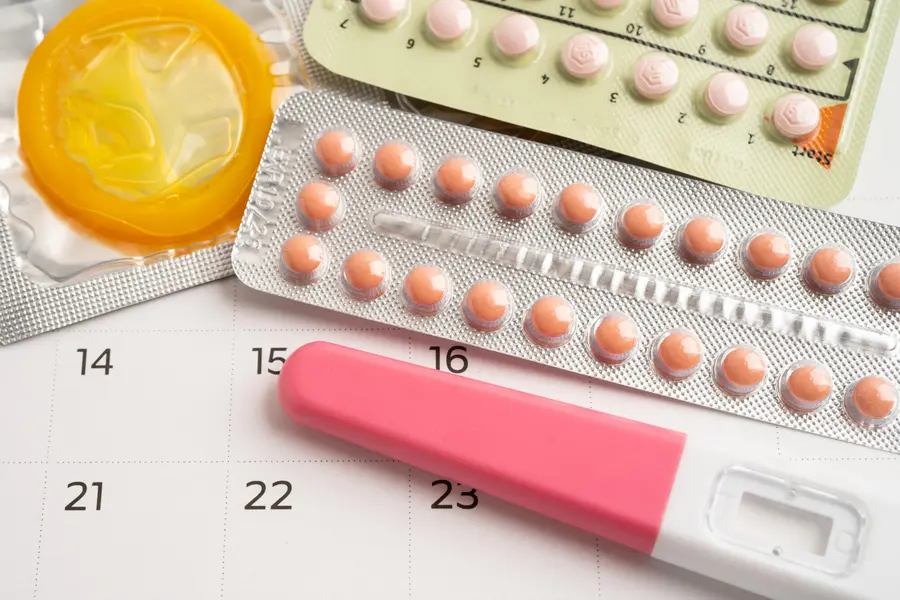
Unlike pills, patches, or implants that use synthetic estrogen or progestin to prevent ovulation, non-hormonal methods rely on physical or chemical barriers. These methods do not alter your endocrine system, meaning your natural menstrual cycle continues as usual.
Some methods, like the Copper IUD, work by creating an environment that is toxic to sperm, while barrier methods physically block sperm from reaching an egg. Because these options do not interfere with your hormones, they are often the preferred choice for breastfeeding mothers or women with a history of certain cancers or blood clots.
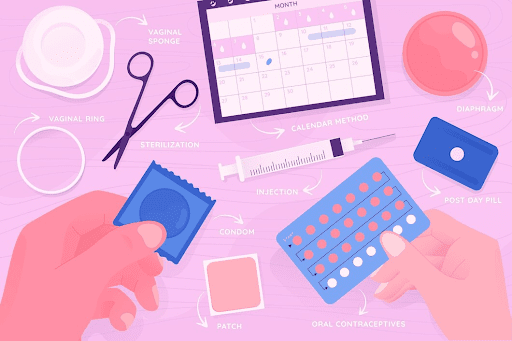
The Translation: Understanding Your Options
In medical terms, non-hormonal birth control encompasses a variety of techniques. At Sidra Family Hospital, we focus on helping you translate these clinical options into daily lifestyle choices:
- The Copper IUD (Copper T): A small, T-shaped device inserted into the uterus by a specialist. It is over 99% effective and can last up to 10 years, making it a “set and forget” solution.
- Barrier Methods: These include condoms, diaphragms, and cervical caps. They are used only during intimacy and offer the added benefit of protection against many infections.
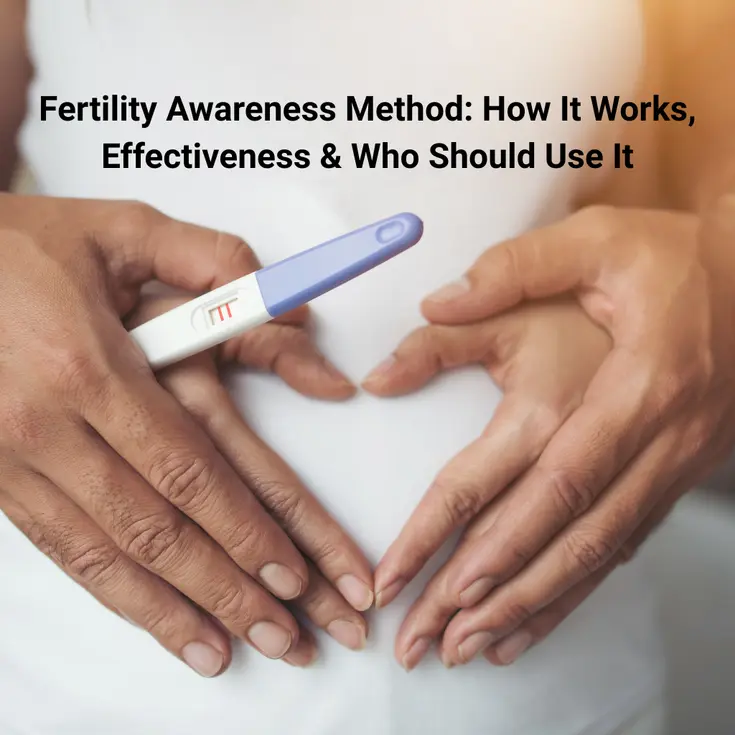
- Fertility Awareness: Also known as natural family planning, this involves tracking your basal body temperature and cervical mucus to identify your “fertile window.”
Our Gynecology Department ensures that every patient understands the efficacy and application of these methods, moving beyond clinical jargon to practical knowledge.
The Socio-Economic Impact: Supporting Pakistani Families
In the local Pakistani context, family planning is not just a medical decision—it is a socio-economic one. Many families are concerned about the long-term costs of reproductive health. Methods like the Copper IUD are highly cost-effective over time, reducing the recurring monthly expense of oral contraceptives.
Furthermore, there is often a cultural concern regarding “rasoli” (fibroids) and how different medications might affect future fertility. By choosing non-hormonal birth control, women can maintain their natural cycles, which often provides peace of mind for those planning to expand their families in the future. At Sidra Family Hospital, we provide a safe space to discuss these cultural and economic factors openly with our expert consultants.
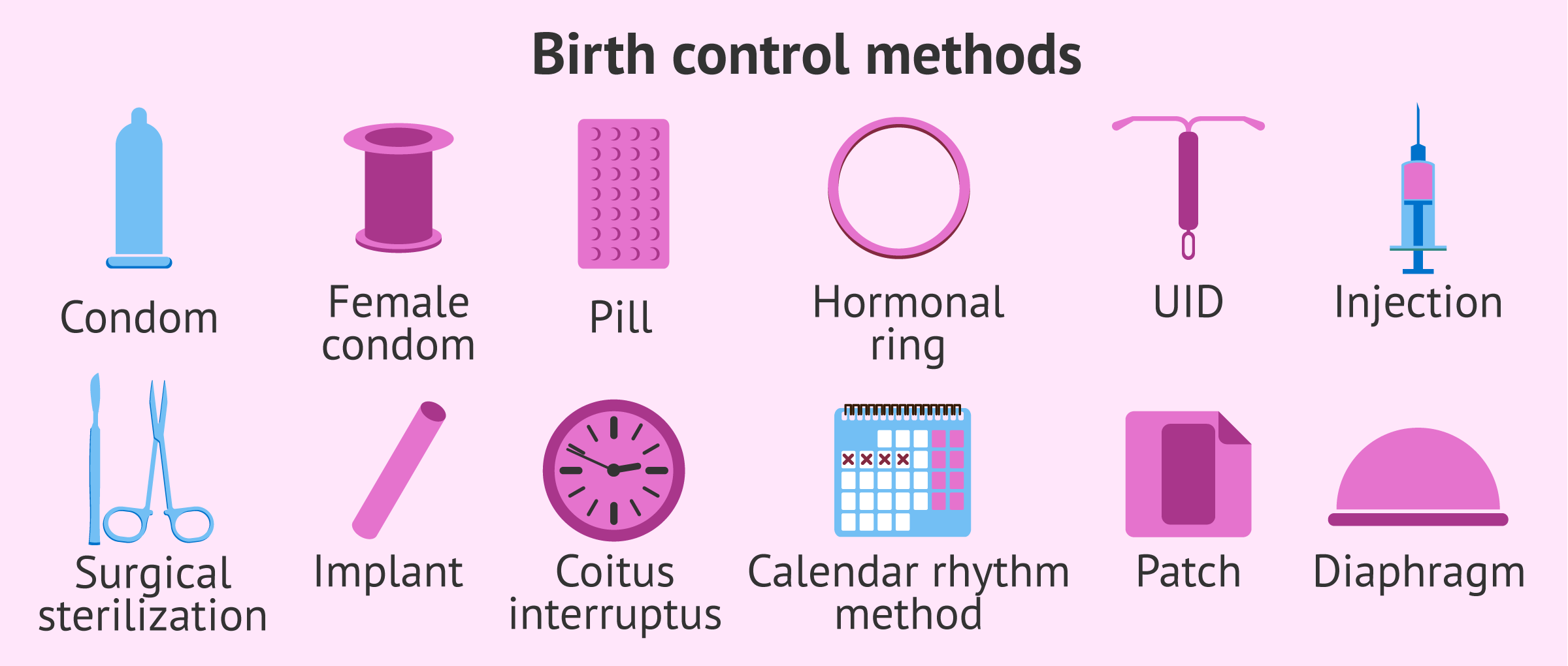
The Forward Path: Personalized Care at Sidra Family Hospital
Choosing the right method requires a thorough understanding of your medical history and future goals. If you are navigating perimenopause in your 40s or looking for spacing options in your 20s, the “Forward Path” at SFH involves a three-step process:
- Consultation: Meet with our female-led gynecology team to discuss your lifestyle and health history.
- Screening: We ensure you are a good candidate for long-term options like the IUD through simple diagnostic checks.
- Support: Our team provides follow-up care to ensure your chosen method is working comfortably for you.
Whether you prioritize immediate return to fertility or long-term reliability, our mission is to empower you with choices that align with your family values and health needs.
Frequently Asked Questions
What is the best non-hormonal birth control?
The “best” method depends on your lifestyle. The Copper IUD is the most effective (99%+), while condoms are the best for dual protection against pregnancy and infections.
Is non-hormonal birth control healthier?
It isn’t necessarily “healthier” for everyone, but it is the safest option for women who experience side effects from hormones or have specific medical contraindications like high blood pressure or migraines with aura.
Can these methods be used with uterine fibroids?
Yes, though some women with large fibroids may find IUD placement difficult. Our specialists at Sidra Family Hospital can evaluate your specific case to find the most comfortable option.