
16:8 Intermittent Fasting: The Definitive Guide for Family Metabolic Health
At Sidra Family Hospital, we view nutrition as the bedrock of family wellness. In an era where lifestyle-related chronic diseases are on the rise, finding a sustainable way to manage weight and metabolic health is paramount. 16:8 Intermittent Fasting has emerged not just as a trend, but as a scientifically-backed approach to longevity and energy management.
What is 16:8 Intermittent Fasting?
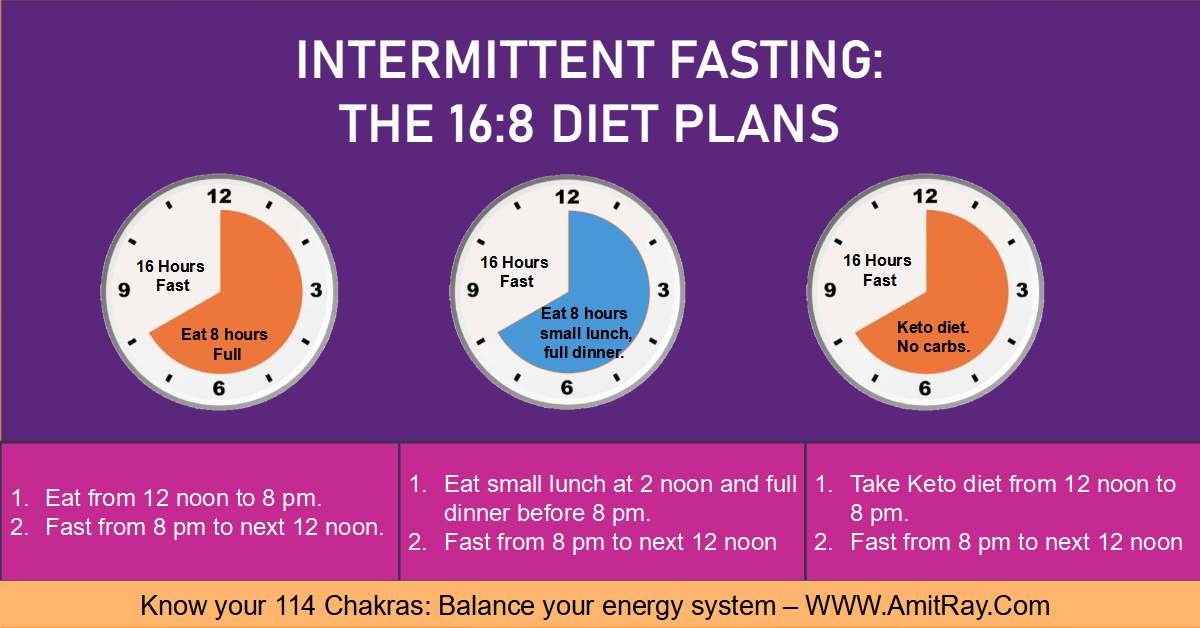
Intermittent fasting (IF) is not a diet in the traditional sense; it is an eating pattern. It focuses on when you eat rather than just what you eat. The 16:8 method involves fasting for 16 hours and consuming all your daily calories within an 8-hour window.
This approach mimics the natural cycles our ancestors followed and bears a strong resemblance to the spiritual practice of Roza. By giving the digestive system a break, the body can shift its focus from processing food to cellular repair and fat burning.
The Translation: Breaking Down the Science
To understand 16:8 Intermittent Fasting, we must look at how our body handles insulin. Every time we eat, our body releases insulin to help process sugar into energy. Excess sugar is stored as fat. When we fast, insulin levels drop significantly.
This drop signals the body to start burning stored fat for energy—a process known as “metabolic switching.” In simple terms, fasting turns your body from a sugar-burner into a fat-burner. This transition improves insulin sensitivity, which is crucial for preventing Type 2 Diabetes and reducing systemic inflammation.
The Socio-Economic Impact: Fasting in the Pakistani Context
In Pakistan, the rising cost of healthcare and the prevalence of metabolic syndrome create a heavy burden on families. Obesity, hypertension, and diabetes often affect the primary breadwinners, leading to significant financial strain. Traditional weight-loss programs often require expensive supplements or imported “superfoods” that are inaccessible to many.
16:8 Intermittent Fasting offers a low-cost, high-impact solution. By reducing the frequency of meals and eliminating late-night snacking—which is common in our social culture—families can save on food costs while simultaneously reducing their future medical bills. It aligns perfectly with our cultural familiarity with fasting, making it a socially acceptable and easy-to-implement lifestyle change for the local community.
Best Intermittent Fasting Methods for Beginners
While the 16:8 method is the most popular, at Sidra Family Hospital, we recommend a graduated approach to ensure long-term success:
- 12/12 Method: A gentle 12-hour fast (e.g., 8 PM to 8 AM). Ideal for those new to fasting or those with high activity levels.
- 16:8 Method: The gold standard for weight loss and metabolic health. You might eat between 12 PM and 8 PM.
- 5:2 Method: Eating normally for five days and restricting calories (around 500-600) for two non-consecutive days.

What to Eat During Your Eating Window
The success of 16:8 Intermittent Fasting depends heavily on the quality of food consumed during the 8-hour window. Bingeing on processed carbs or high-sugar foods will negate the benefits of the fast.
Prioritize Nutrient-Dense Foods
We encourage our patients to focus on “Real Food”:
- Proteins: Lean meats, eggs, and lentils (daal) to maintain muscle mass.
- Healthy Fats: Moderate amounts of ghee, olive oil, and nuts for hormonal health.
- Fiber: Leafy greens and whole grains to keep you full and support digestion.
Avoid refined sugars and “white” carbohydrates (like nan and white rice) as these cause insulin spikes that make the fasting period much harder to maintain due to increased hunger.
Common Challenges and Safety Considerations
While fasting is powerful, it is not a “one size fits all” solution. Women, in particular, need to be mindful. Aggressive fasting can sometimes disrupt hormonal balances. We recommend women start with a 14-hour fast and monitor their cycles and energy levels closely.
Who Should Be Cautious?
At Sidra Family Hospital, we advise the following groups to consult our Nutrition Department before starting:
- Individuals with Type 1 or Type 2 Diabetes (due to medication timing).
- Pregnant or breastfeeding mothers.
- Those with a history of disordered eating.
- Growing children and adolescents.
The Forward Path: Steps to Success
Ready to start your journey? Follow these steps for a safe transition:
- Start Gradually: Move your breakfast later by one hour every few days until you reach your target window.
- Stay Hydrated: Drink plenty of water, black coffee, or plain tea during the fasting window. Dehydration is often mistaken for hunger.
- Prioritize Sleep: Lack of sleep increases cortisol, which can trigger cravings and stall weight loss.
- Listen to Your Body: If you feel dizzy or extremely weak, break your fast gently and try again the next day with a shorter window.
When to Visit Sidra Family Hospital
If you have underlying health conditions or find that your weight loss has stalled despite consistent effort, it is time for professional guidance. Our experts provide personalized metabolic testing and nutritional plans tailored to your family’s unique genetic and lifestyle profile. Together, we can ensure that 16:8 Intermittent Fasting is a safe, effective tool for your lifelong health.
Contact the Sidra Family Hospital Nutrition Department today to schedule your consultation.