
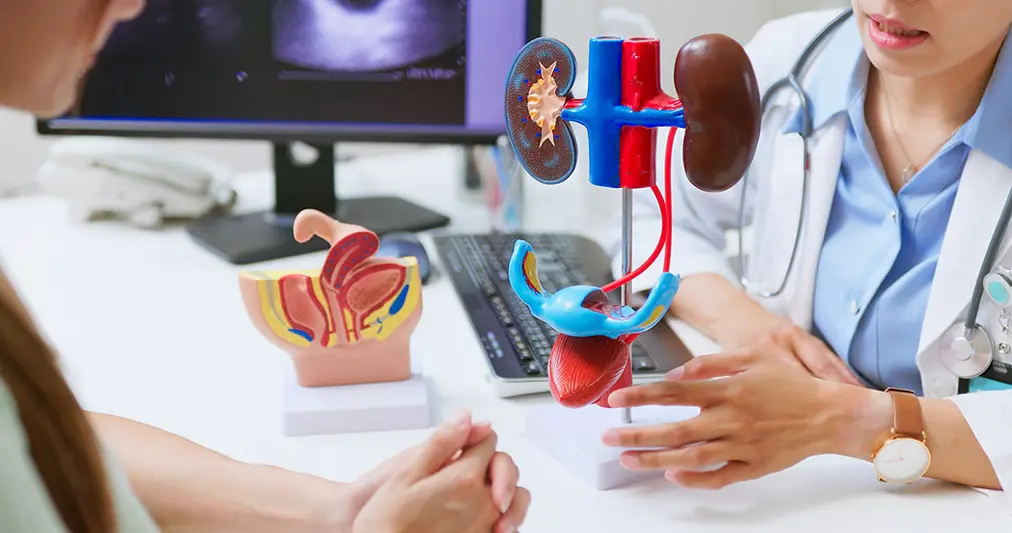
How Aging Impacts Lower Urinary Tract Symptoms: A Guide for Families

Aging is a natural process that brings wisdom and experience, but it also introduces physiological changes that can affect our daily comfort. For many individuals, one of the most significant yet least discussed changes involves the urinary system.
Persistent discomfort, frequent trips to the bathroom, or the sudden urge to void are often grouped under the umbrella of lower urinary tract symptoms (LUTS). While these issues become more common as we get older, they should never be dismissed as an inevitable part of aging that must be endured in silence.
The Translation: Understanding Your Bladder Health
To understand lower urinary tract symptoms, we must first look at how the bladder and its supporting structures change over time. As we age, the bladder wall may lose its elasticity, leading to a decreased capacity to hold urine. This often results in “frequency”—the need to urinate more often than usual.
Oxidative stress, often exacerbated by chronic conditions like diabetes or lifestyle factors such as tobacco use, can further damage the nerves controlling the bladder. This can lead to urgency or “urge incontinence,” where the bladder contracts even when it isn’t full.

In men, the prostate gland often enlarges with age, a condition known as Benign Prostatic Hyperplasia (BPH). This growth can compress the urethra, making it difficult to start urinating or causing a weak stream. Inflammation, such as prostatitis, can also cause sharp pain and burning, further complicating the presentation of lower urinary tract symptoms.
Beyond the Basics: Red Flags and Complications
While many symptoms are related to aging tissues, some signs require immediate clinical intervention. Hematuria, or blood in the urine, is a primary concern that should always be evaluated by a specialist at Sidra Family Hospital.
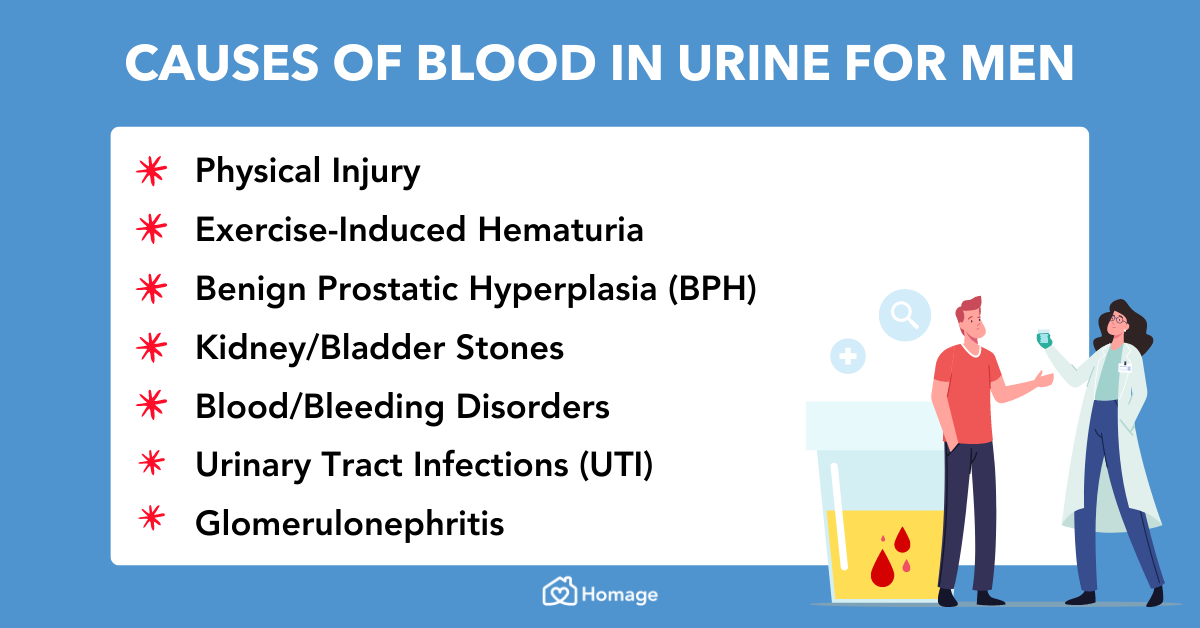
Whether the blood is visible to the naked eye or only detectable via a microscopic urinalysis, it may signal underlying issues ranging from kidney stones and urinary tract infections (UTIs) to more serious conditions like bladder or kidney cancer. Early detection through advanced screening is the most effective way to protect your long-term health.
The Socio-Economic Impact: A Pakistani Family Perspective
In the Pakistani context, the health of our elders (our Buzurg) is the cornerstone of a stable home. However, lower urinary tract symptoms often carry a social stigma that leads to isolation. Many seniors may stop attending family gatherings or community prayers (Salah) due to the fear of leakage or the inability to find a restroom quickly.
This social withdrawal can lead to depression and a sense of lost dignity. Economically, untreated bladder issues can result in frequent emergency visits for acute UTIs or kidney complications, which place a preventable financial strain on the family unit. At Sidra Family Hospital, we believe that treating these symptoms is not just a medical necessity, but a way to preserve the quality of life and the active role of elders within the family.
The Forward Path: Prevention and Professional Care
Managing lower urinary tract symptoms requires a proactive, “family-first” approach. Maintaining a healthy bladder starts with lifestyle choices that support the entire body. We recommend staying physically active to maintain pelvic floor strength and managing chronic health conditions like diabetes, which directly impact nerve health.

Our specialists also emphasize the importance of “voiding hygiene.” Never ignore the natural urge to urinate, as chronic bladder over-distention can weaken the bladder muscles over time. For those recovering from more intensive treatments, such as a prostatectomy, specialized pelvic floor muscle training and rehabilitation are essential for restoring continence and confidence.
When to Visit Sidra Family Hospital
If you or a loved one experiences any of the following, our Urology and Gynecology departments are here to help:
- Persistent pain or burning during urination (peshab mein jalan).
- Waking up more than twice a night to urinate.
- Sudden, uncontrollable urges that lead to leakage.
- Visible blood in the urine.
- A feeling that the bladder is never completely empty.
At Sidra Family Hospital, we combine advanced diagnostic care with a compassionate touch. Our personalized treatment plans are designed to help you age gracefully, ensuring you can spend more time focusing on your family and less time worrying about your symptoms.
Your quality of life is our priority. Visit us today for a comprehensive evaluation and take the first step toward a healthier, more comfortable future.