Walking Pneumonia Rise: What Parents Need to Know Now
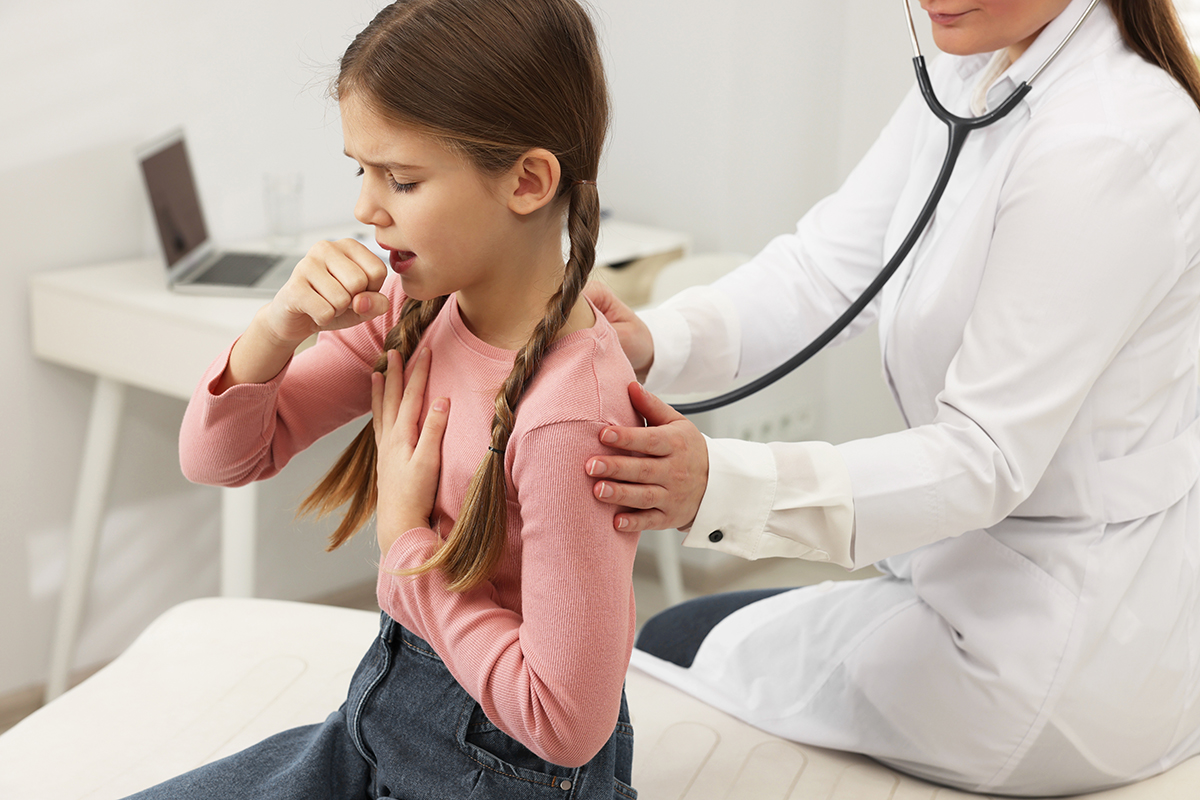
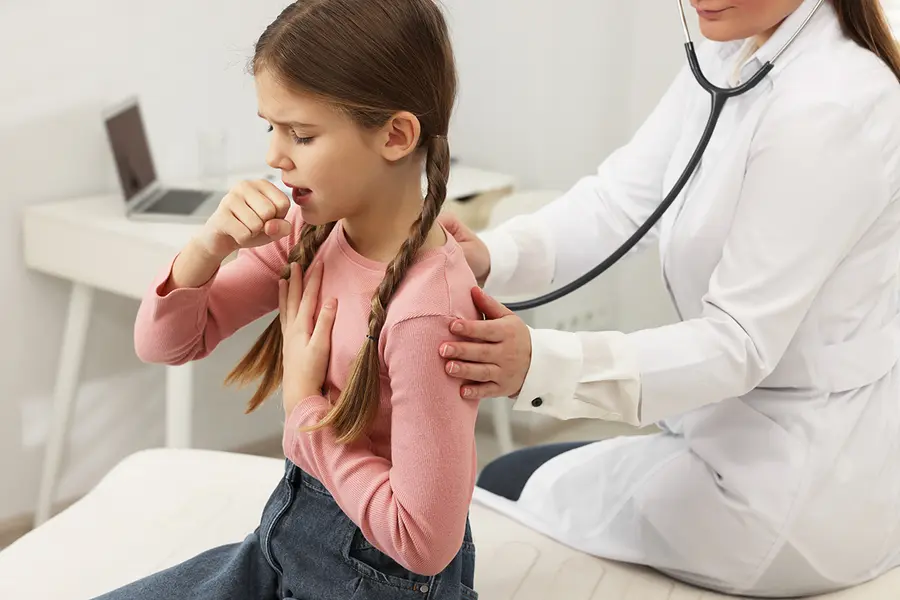
At Sidra Family Hospital, your child’s health is our primary concern. We are currently observing a significant walking pneumonia rise, a bacterial infection that is particularly affecting children under the age of five.
Unlike typical pneumonia, which can leave a patient bedridden, “walking” pneumonia often presents with milder symptoms that allow a child to remain active. However, this mildness can be deceptive, as the infection requires professional diagnosis and specific treatment to prevent complications.
Is it a Cold or Walking Pneumonia?
The challenge for many parents is distinguishing between a common chest cold and a more serious bacterial infection. During this current walking pneumonia rise, we are seeing children present with a persistent, worsening cough that lasts longer than a week.
While many viral colds resolve within a few days, walking pneumonia is caused by Mycoplasma pneumoniae. Symptoms often include a low-grade fever, headache, and a “rattling” cough that grows more intense over time.

The Translation: Understanding Atypical Infections
When we talk about “The Translation” of medical terms, we define walking pneumonia as an “atypical” pneumonia. This means the bacteria lack a cell wall, making standard antibiotics like penicillin ineffective.
In simple terms, your child may look “mostly fine” but will have a cough that keeps them up at night. Because it spreads through respiratory droplets, it moves quickly through schools and households, leading to the walking pneumonia rise we are seeing today.
If your child has a “chest cold” that refuses to go away, it is time for a professional evaluation. Our Pediatrics Department at SFH uses specialized diagnostics to identify the bacteria and provide tailored antibiotic treatments that actually work.
The Domino Effect: Measles and Emerging Threats
While we address the walking pneumonia rise, we must also remain vigilant against other highly contagious risks, such as measles. Measles presents with a high fever, cough, and a distinctive body-wide rash.
Recent outbreaks remind us that these viruses do not act in isolation. A child weakened by a respiratory infection like walking pneumonia may be more susceptible to other illnesses circulating in the community.

The MMR vaccine remains the most effective protection, offering 97% immunity. We urge all parents to ensure their family’s immunizations are current to prevent a secondary health crisis during this season.
The Socio-Economic Impact: Why Prevention Matters
In our local Pakistani context, a walking pneumonia rise does more than just affect one child; it impacts the entire family dynamic. Many of our families live in multi-generational households where an infection can quickly spread to vulnerable infants or elderly grandparents.
The socio-economic cost is high when parents must miss work and children miss school. Healthcare costs can escalate if a mild infection is left untreated and turns into a medical emergency requiring hospitalization.
At Sidra Family Hospital, we focus on preventative care to keep your family financially and physically healthy. Early intervention is always more cost-effective than emergency treatment.
Knowing When to Seek Help: The ER Red Flags
When your child is unwell, discerning between a mild illness and a serious emergency is vital. Monitor for red flags such as seizures during viral bouts or a persistent fever accompanied by vomiting.
If your infant refuses feeds, shows altered mental status, or exhibits “retractions” (where the skin sucks in around the ribs during breathing), seek immediate medical attention. Our Pediatrics department provides 24/7 expert care for these critical moments.
The Forward Path: Protecting Your Family’s Future
The forward path to health involves three key steps: hygiene, vaccination, and professional consultation. Practice strict hand hygiene and teach your children to cover their coughs to slow the walking pneumonia rise.
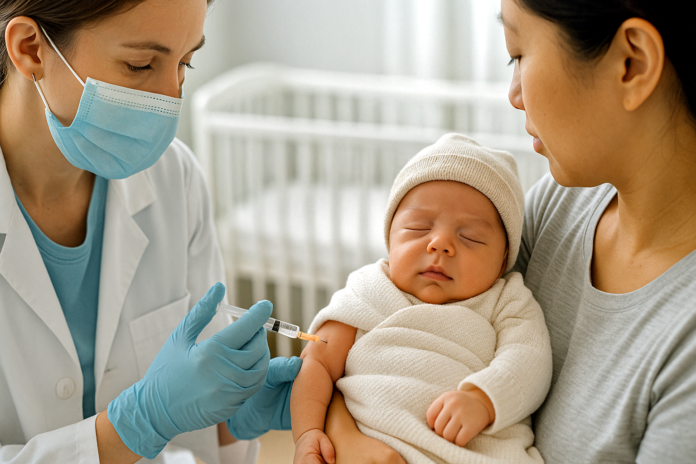
Furthermore, protecting your newborn from Hepatitis B is a vital first step. Administering the first vaccine dose within the first 24 hours of life is 95% effective in preventing chronic liver disease. At SFH, our Gynae and Pediatrics departments work together to ensure your baby is protected from day one.
Trust the experts at Sidra Family Hospital to safeguard your loved ones. Whether it is a lingering cough or a routine vaccination, our compassionate team is here to ensure your family’s quick recovery and lifelong health.