Postpartum Hair Loss: A Month-by-Month Recovery Timeline for New Mothers
Introduction
Welcoming a new baby is a journey filled with joy, but for many mothers, it also brings unexpected physical changes. One of the most common—yet often distressing—experiences is noticing significant thinning or clumps of hair falling out a few months after delivery.
At Sidra Family Hospital, we believe that education is the first step toward peace of mind. Postpartum hair loss is a temporary biological reset, and understanding the timeline can help you navigate this phase with confidence.
The Translation: What is Telogen Effluvium?
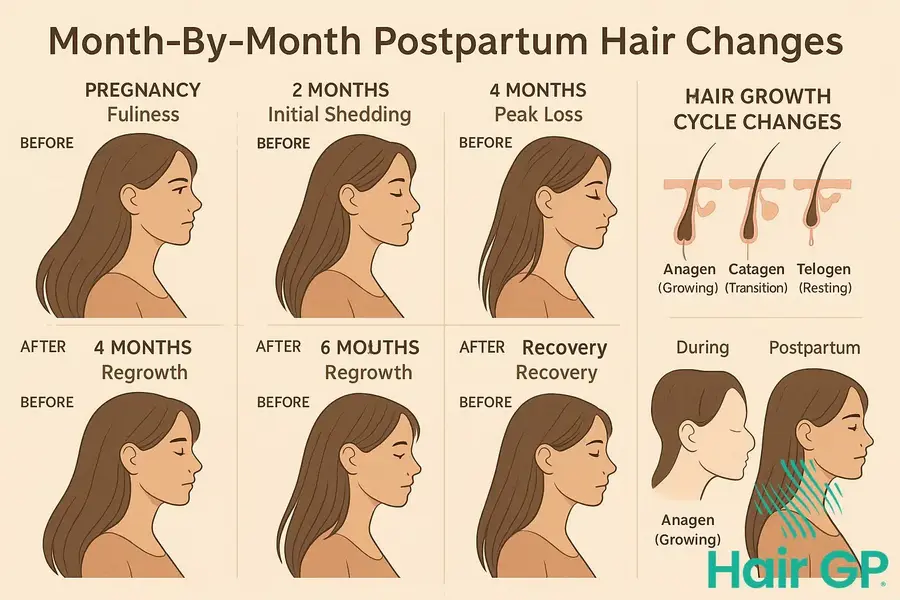
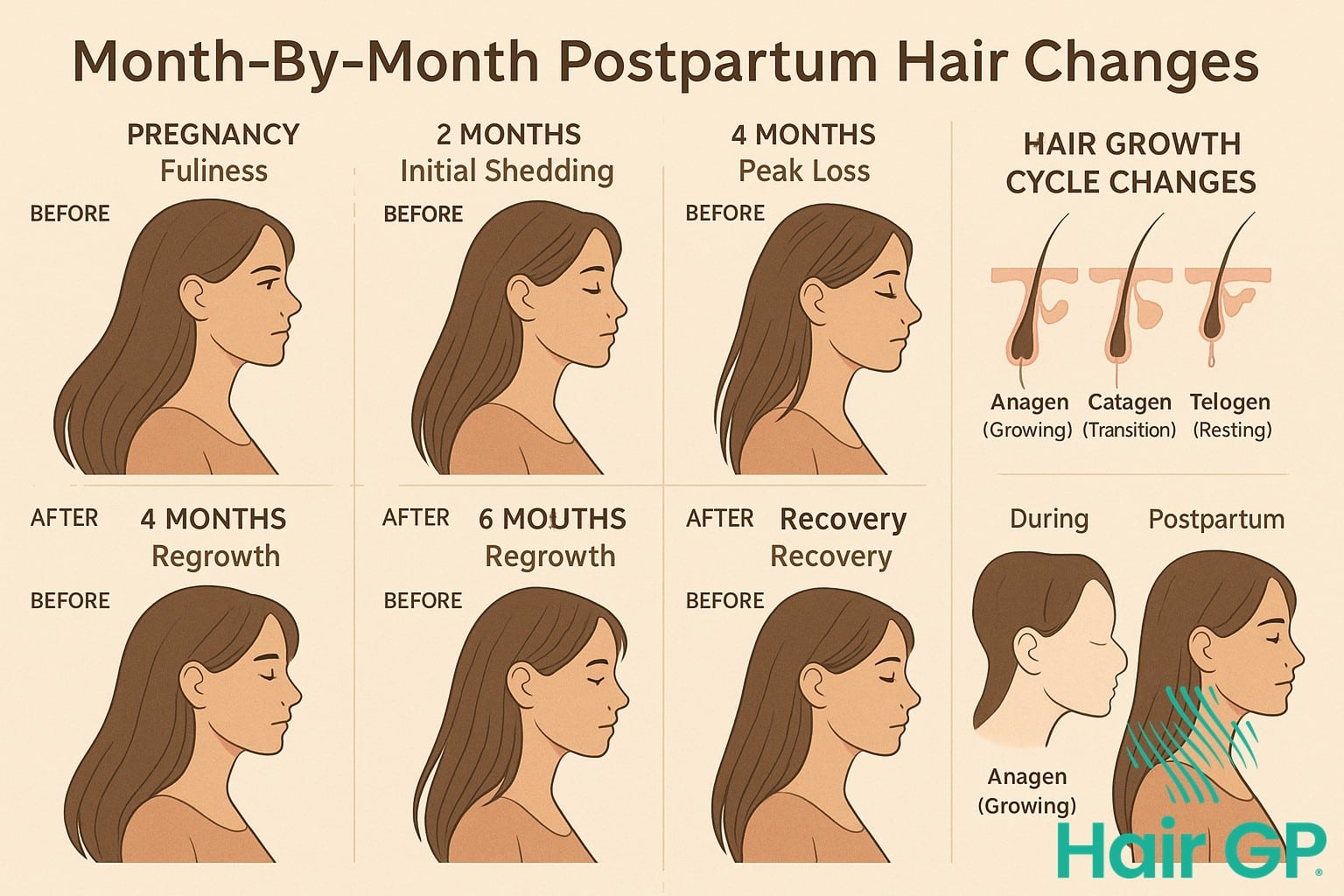
In medical terms, postpartum hair loss is known as telogen effluvium. To understand this, we must look at the hair growth cycle. Normally, about 85-90% of your hair is in the “growing” phase, while the rest is in a “resting” phase before eventually falling out.
During pregnancy, high levels of estrogen prevent your hair from falling out, leading to that thick, luscious “pregnancy glow” hair many women enjoy. However, once you give birth, estrogen levels drop rapidly. This signals a massive amount of hair to enter the resting phase all at once.
Essentially, you aren’t “going bald”; your body is simply catching up on months of hair shedding that was delayed during pregnancy. It is a transition, not a permanent condition.
The Socio-Economic Impact in the Pakistani Context
In Pakistan, hair is often tied to a woman’s identity and cultural standards of beauty. For a new mother already dealing with sleep deprivation and the pressures of a growing household, the sudden loss of hair can lead to significant emotional distress and social anxiety.
In many of our local communities, there is a heavy emphasis on “looking the part” during family gatherings and Aqiqah ceremonies. This can lead mothers to seek out expensive, unproven “miracle cures” or undergo aggressive treatments that may actually damage fragile hair further.
Furthermore, the socio-economic burden of postnatal care often focuses solely on the baby. At Sidra Family Hospital, we advocate for the mother’s holistic well-being, recognizing that a mother’s confidence and mental health are the foundation of a healthy family unit.
Months 1-3 Postpartum: The Calm Before the Storm
During the first 12 weeks, most mothers don’t notice much change. Your hair may still feel thick, and your body is focusing on healing from delivery and establishing breastfeeding. This is the time to prioritize nutrition before the peak shedding begins.
Months 4-6 Postpartum: The Peak Shedding Period
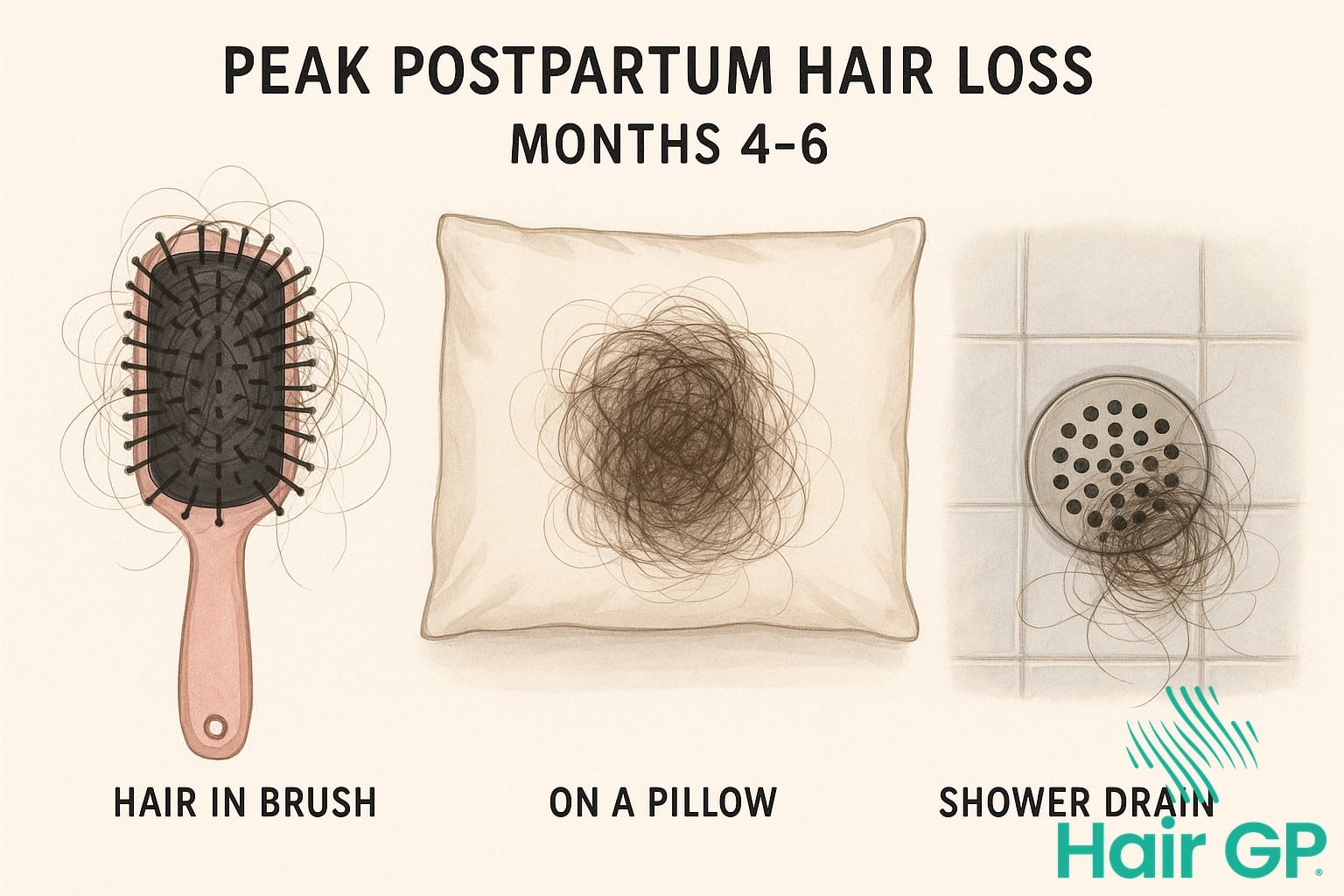
This is typically the most challenging phase. Around month four, the hair that entered the resting phase at birth begins to fall out. You may notice thinning around your hairline or find large amounts of hair in the shower drain.
While it looks alarming, remember that this is the biological peak. Managing this period requires patience and gentle care. Avoid tight hijabs or hairstyles that pull on the scalp, and skip high-heat styling tools for a few months.
Months 7-12 Postpartum: The Recovery Phase
By the seven-month mark, the excessive shedding usually slows down. You will start to notice “baby hairs” appearing along your hairline—a sure sign of regrowth. These short, sometimes frizzy hairs indicate that your follicles are active again.
By your baby’s first birthday, most women find that their hair volume has returned to its pre-pregnancy state. While the texture may feel slightly different due to hormonal shifts, the overall density should be restored.
The Forward Path: Support and Prevention
While you cannot completely stop postpartum hair loss, you can support your body’s recovery. Here is the recommended path forward from our experts at Sidra Family Hospital:
- Nutrition First: Ensure your diet is rich in iron, zinc, and protein. In Pakistan, traditional foods like lentils (dals), eggs, and leafy greens are excellent natural sources to support hair health.
- Scalp Care: Practice gentle scalp massages to stimulate blood flow. Use a wide-tooth comb to minimize breakage.
- Vitamins: Continue your prenatal vitamins if recommended by your doctor, especially if you are breastfeeding, as your body requires extra nutrients.
- Professional Consultation: If your hair loss is patchy (alopecia areata) or continues aggressively beyond the 12-month mark, it is time to visit us.

When to Visit Sidra Family Hospital
At SFH, our Gynecology and Nutrition departments work together to support new mothers. If you feel your hair loss is accompanied by extreme fatigue, cold intolerance, or skin changes, it could indicate a thyroid imbalance or severe anemia—both common postpartum.
We provide comprehensive blood panels and hormonal evaluations to ensure your recovery is on the right track. You don’t have to navigate the “fourth trimester” alone. Let us help you find your sukoon (peace) as you embrace motherhood.
Conclusion
Postpartum hair loss is a temporary chapter in the beautiful story of motherhood. By understanding the timeline and nourishing your body, you can navigate this transition with grace. For personalized care and expert guidance, visit the Gynecology Department at Sidra Family Hospital today.