Exertional Shin Pain: Causes, Symptoms, and Effective Treatments for Active Families
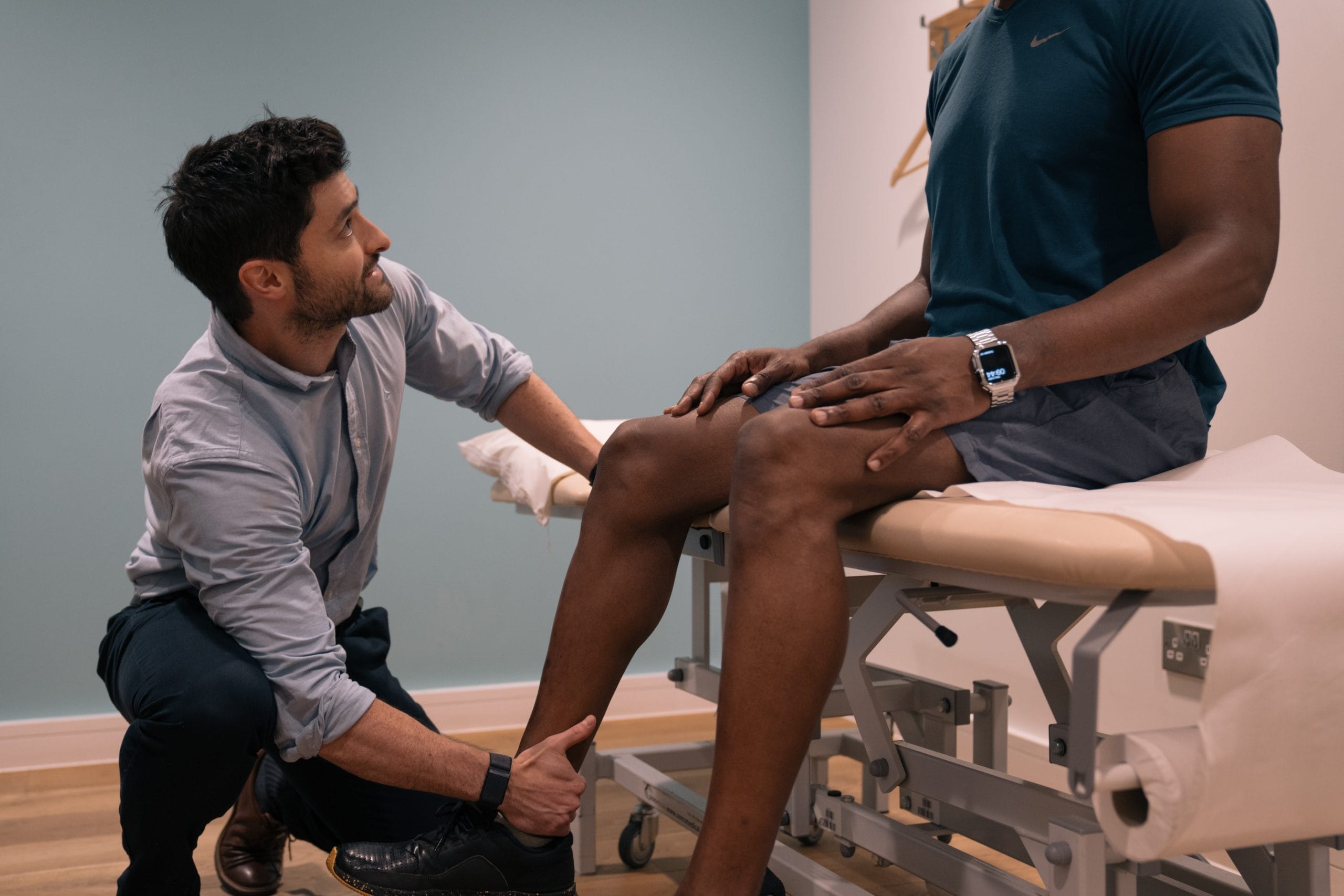
At Sidra Family Hospital, we understand that persistent leg discomfort can significantly hinder your family’s daily life. Whether it is a child participating in school sports or an adult managing a busy work schedule, exertional shin pain is a common yet often misunderstood condition.
Often referred to as “shin splints,” this condition involves pain along the large bone in the front of your lower leg, known as the tibia. Understanding the root causes is the first step toward reclaiming your mobility and comfort.
The Translation: What is Exertional Shin Pain?
Exertional shin pain, or Medial Tibial Stress Syndrome (MTSS), occurs when the muscle and bone tissues in the lower leg become overworked by repetitive activity. It is not simply a matter of “toughing it out”; it is a signal from your body that the connective tissues are under excessive strain.
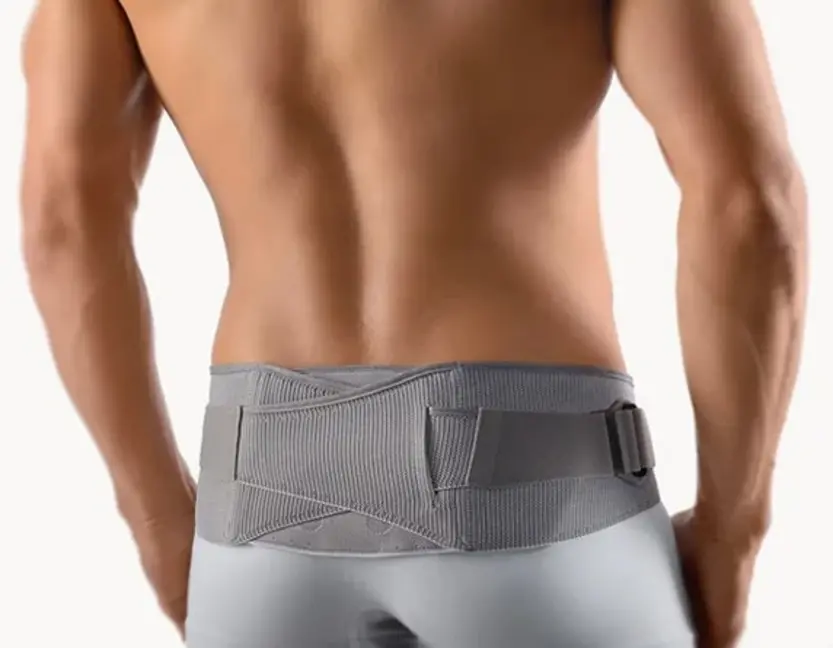
The pain often stems from biomechanical imbalances. For instance, foot issues like overpronation or flat feet can cause the lower leg to rotate inward excessively, placing stress on the shin area. Additionally, underlying issues such as sacroiliac (SI) joint dysfunction can alter your gait, leading to compensatory movements that trigger exertional shin pain.

At Sidra Family Hospital, we look beyond the localized pain. We examine the entire kinetic chain—from the arches of your feet to the alignment of your pelvis—to provide a comprehensive diagnosis.
The Socio-Economic Impact: Pain Beyond the Surface
In our local community, the impact of exertional shin pain extends far beyond physical discomfort. For many Pakistani families, daily life involves significant physical activity, whether walking to work, managing a household, or caring for children. When a primary provider or a caregiver suffers from chronic leg pain, the entire family unit feels the strain.
Untreated pain can lead to decreased productivity and, in some cases, a loss of income. Furthermore, nutritional deficiencies common in our region—specifically low levels of Vitamin D and Calcium—can weaken bone density, making individuals more susceptible to stress-related injuries.
Sidra Family Hospital is committed to a “Family-First” approach. We believe that by treating the individual’s exertional shin pain, we are supporting the stability and well-being of the whole family. Investing in non-invasive recovery now prevents the need for costly surgical interventions later.
The Forward Path: Non-Surgical Recovery and Prevention
Recovery from exertional shin pain does not always require surgery. Our specialized departments, including Physiotherapy and Nutrition, work together to create personalized care plans that focus on long-term health.
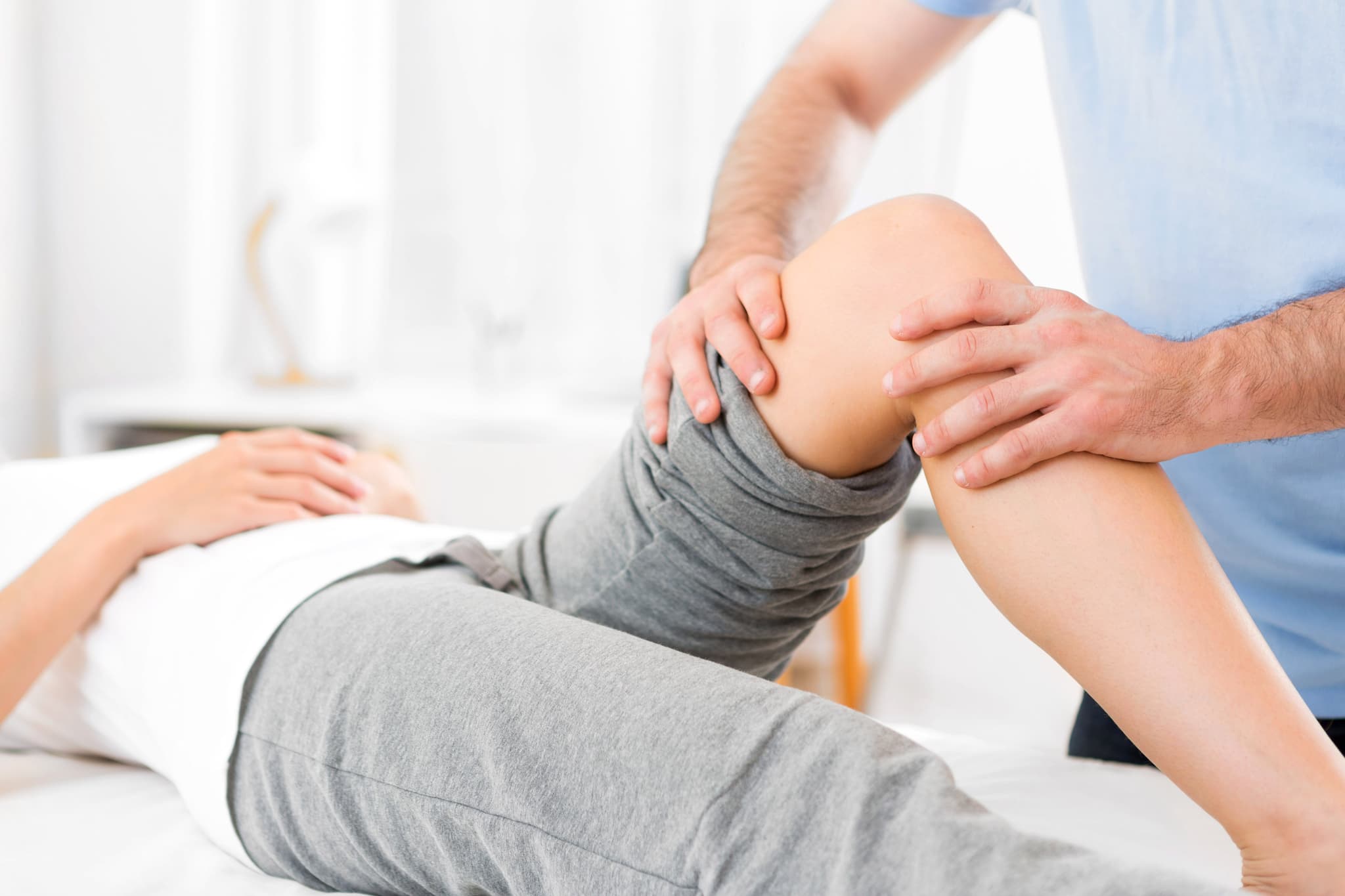
1. Targeted Physiotherapy: Strengthening the calf muscles and improving ankle flexibility can significantly reduce the load on the tibia. Our experts guide you through low-impact exercises designed to restore balance.
2. Nutritional Support: We prioritize correcting nutritional deficiencies. A diet rich in anti-inflammatory nutrients and adequate hydration is essential for joint lubrication and bone strength.
3. Biomechanical Correction: Using supportive footwear or orthotics can correct overpronation, providing the necessary arch support to prevent exertional shin pain from recurring.
4. Interventional Care: For related conditions like knee osteoarthritis that might complicate your recovery, we offer modern solutions like Genicular Nerve Blocks to manage pain without opioids.
If you or a family member is experiencing persistent leg discomfort, do not wait for the condition to worsen. Visit Sidra Family Hospital today for an expert consultation. Let us help you move freely and live vibrantly once again.