5 Little-Known Signs You’re Not Drinking Enough Water

Water is the silent engine of the human body, powering everything from cellular repair to cognitive function. At Sidra Family Hospital, we often see patients who believe they are healthy, yet they struggle with chronic fatigue and frequent headaches simply because they are not drinking enough water.
While most people wait for a dry throat to reach for a glass, thirst is actually a late-stage signal of dehydration. For children and the elderly, waiting for thirst can be dangerous. Understanding the subtle, medical indicators of fluid loss is essential for maintaining your family’s long-term wellness.
The Translation: What Dehydration Really Means
In medical terms, dehydration occurs when your body loses more fluid than it takes in. This imbalance disrupts the delicate ratio of salts and minerals (electrolytes) in your blood. When you are not drinking enough water, your blood becomes more concentrated, forcing your heart to pump harder to circulate nutrients.
Think of water as the “coolant” and “lubricant” for your biological machinery. Without it, your metabolism slows down, your joints lose their cushioning, and your brain tissue can actually shrink temporarily, leading to significant “brain fog.”
1. Loss of Skin Elasticity (The Pinch Test)
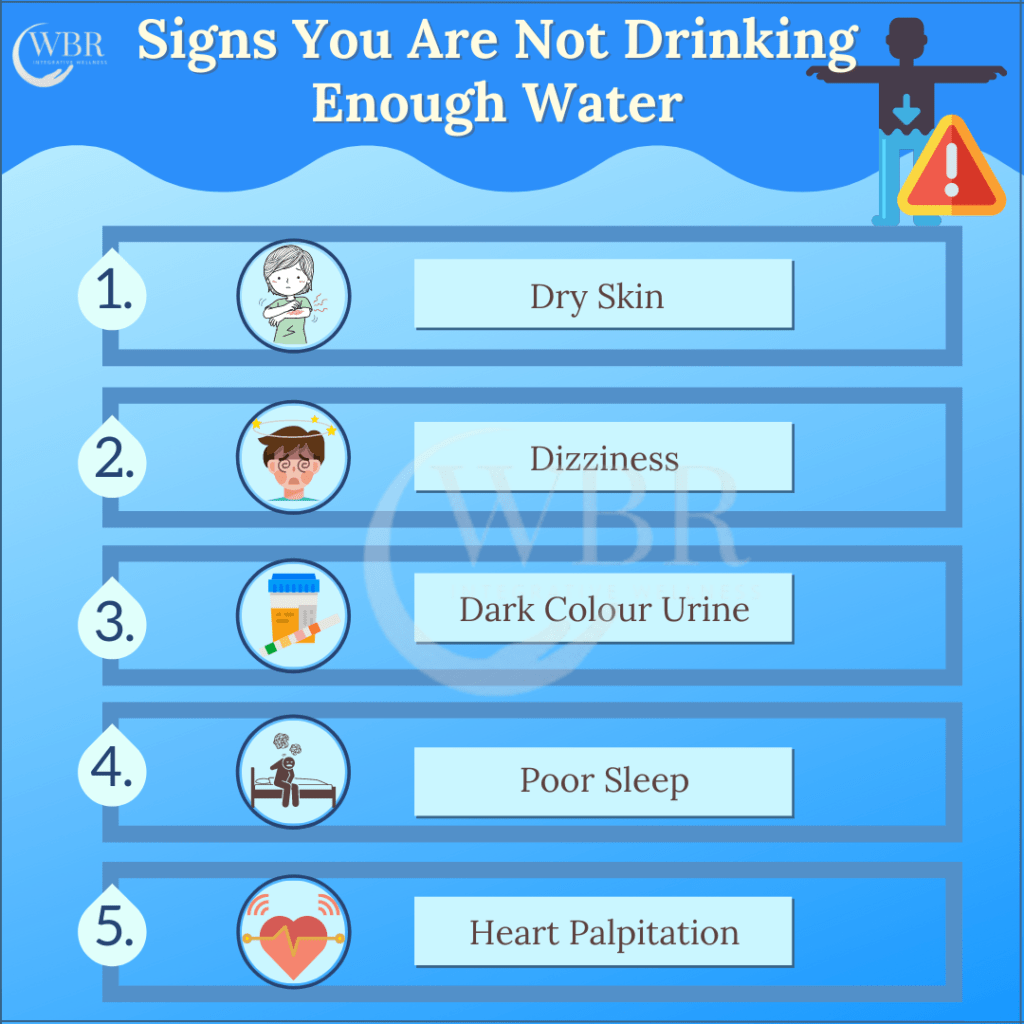
One of the most reliable clinical signs of dehydration is decreased skin turgor. If you pinch the skin on the back of your hand and it takes a few seconds to snap back into place, your cells are severely lacking fluid.
Properly hydrated skin is resilient and plump. Chronic dehydration leads to dullness and more visible fine lines. At Sidra Family Hospital, we emphasize that expensive creams cannot replace the internal hydration your skin needs to remain healthy.
2. Sudden Confusion and Irritability
Your brain is roughly 75% water. When you are not drinking enough water, your neurological pathways are compromised. This often manifests as sudden confusion, a short temper, or difficulty focusing on simple tasks.
In our geriatric care department, we often find that “sudden confusion” in elders is not a sign of dementia, but a symptom of acute dehydration. Keeping our seniors hydrated is a primary pillar of our elderly care protocols.
3. Persistent Bad Breath
Saliva has powerful antibacterial properties. When you are dehydrated, your mouth produces less saliva, allowing bacteria to grow unchecked. This leads to chronic halitosis (bad breath) that doesn’t go away with brushing alone.
If you notice a sticky feeling in your mouth along with an unpleasant odor, it is a clear sign that you are not drinking enough water. Your body is sacrificing oral hygiene to preserve water for vital organs like the heart and kidneys.

4. Intense Food Cravings (Especially Sugar)
The liver needs water to release glycogen and other energy stores. When you are dehydrated, your body cannot easily access its energy reserves. This causes the brain to send out “hunger” signals when it actually needs “hydration” signals.
Most people reach for a sugary snack when they feel this mid-afternoon slump. However, not drinking enough water is the real culprit. Next time you crave chocolate or sweets, try drinking a large glass of water first and wait 15 minutes.
5. You Have Stopped Sweating
This is a medical emergency. Sweat is the body’s primary way of regulating temperature. If you are physically active or in a hot environment and you stop sweating, it means your body has reached a critical level of fluid depletion.
At this stage, you are at high risk for heatstroke. If you or a family member stop sweating while feeling dizzy or flushed, seek immediate medical attention at the Sidra Family Hospital emergency department. It is a severe indicator that you have been not drinking enough water for an extended period.
The Socio-Economic Impact in Pakistan
In Pakistan, where temperatures can soar above 40°C, hydration is not just a health choice—it’s a survival necessity. Dehydration significantly impacts the productivity of our workforce, particularly those in manual labor and agriculture.
Furthermore, chronic dehydration is a leading contributor to kidney stones and renal failure in our local communities. By failing to prioritize water intake, families face the high economic burden of long-term medical treatments and hospitalizations that could have been prevented with simple, daily hydration habits.
The Forward Path: Staying Hydrated with SFH
Taking control of your hydration is a simple way to transform your family’s health. We recommend carrying a reusable water bottle and setting “sip reminders” on your phone. For those who find plain water boring, infusing it with local mint or cucumber can make it more palatable.
At Sidra Family Hospital, our Nutrition Department is dedicated to helping you find the right balance. We provide personalized hydration plans that factor in your age, activity level, and medical history. Whether you are managing pediatric wellness or geriatric health, we are here to guide you.
Don’t wait for your body to scream for help. If you recognize these signs of not drinking enough water in yourself or a loved one, visit us for a comprehensive wellness check. Your health is our family’s top priority.
References
- Clinical Guidelines on Fluid Intake, National Academy of Medicine.
- Pakistan Medical Association Heatwave Advisory.
- Journal of Biological Chemistry: The Role of Water in Metabolic Function.