Energy-Boosting Meal Prep Ideas for Busy Workdays: The SFH Guide

Maintaining steady energy levels throughout a demanding day is a challenge many families face. At Sidra Family Hospital, we recognize that the foundation of vitality is not caffeine, but consistent, Energy-Boosting Meal Prep. By planning your nutrition around low-glycemic, high-protein foods, you can eliminate the dreaded afternoon slump and support your family’s metabolic health.
The Translation: The Science of Sustained Energy
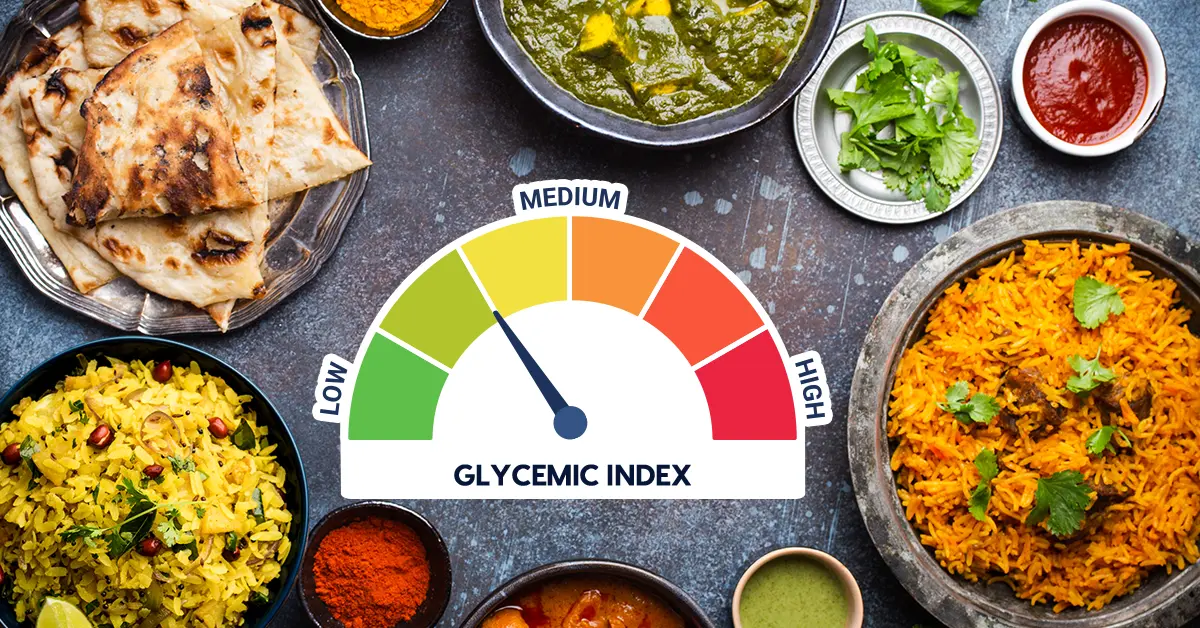
In medical terms, the “energy crash” many people feel after lunch is often a result of postprandial hypoglycemia—a rapid drop in blood sugar following a spike. When we consume high-carbohydrate meals, such as large portions of white rice or traditional naan, our blood glucose levels skyrocket. In response, the pancreas releases insulin to manage the sugar. If the meal lacks fiber and protein, this response can be over-corrected, leading to a sudden dip in energy.
To combat this, we advocate for the Satiety Index. This scientific tool measures how much a specific food makes you feel full relative to its calorie count. Foods high in protein and fiber, like lean meats, lentils (daal), and leafy greens, rank high on this index. They provide a slow release of energy, ensuring your brain and body have a steady supply of fuel for hours rather than minutes.
The Socio-Economic Impact: Nutrition in the Pakistani Context
In Pakistan, our cultural diet is rich in flavor but often heavy on refined carbohydrates and fats. For the modern Pakistani family—where parents balance professional careers and children face rigorous academic schedules—the nutritional deficit has significant consequences. Poor Energy-Boosting Meal Prep habits contribute to rising rates of Type 2 Diabetes and childhood obesity in our urban centers.
When productivity drops at work or a child cannot focus in school due to nutritional “noise” (cravings), the socio-economic cost is high. Chronic fatigue leads to decreased workplace efficiency and increased healthcare expenditures over time. By shifting toward nutrient-dense meal prepping, families can reduce their long-term medical risks and improve their quality of life, effectively turning the kitchen into a hub for preventive medicine.
20 Energy-Boosting Meal Prep Ideas
Transitioning to a healthier lifestyle doesn’t require hours in the kitchen. Here are categorized ideas to streamline your Energy-Boosting Meal Prep routine.
High-Protein Breakfast Prep (5-10 minutes)
- Greek yogurt bowls with flaxseeds and local berries.
- Egg muffins with spinach and bell peppers (batch-baked on Sundays).
- Overnight oats with chia seeds and a scoop of protein powder.
- Protein-enriched pancakes using chickpea flour.
- Smoked salmon or lean turkey slices on whole-grain sourdough.
No-Slump Lunch Prep (10-15 minutes)
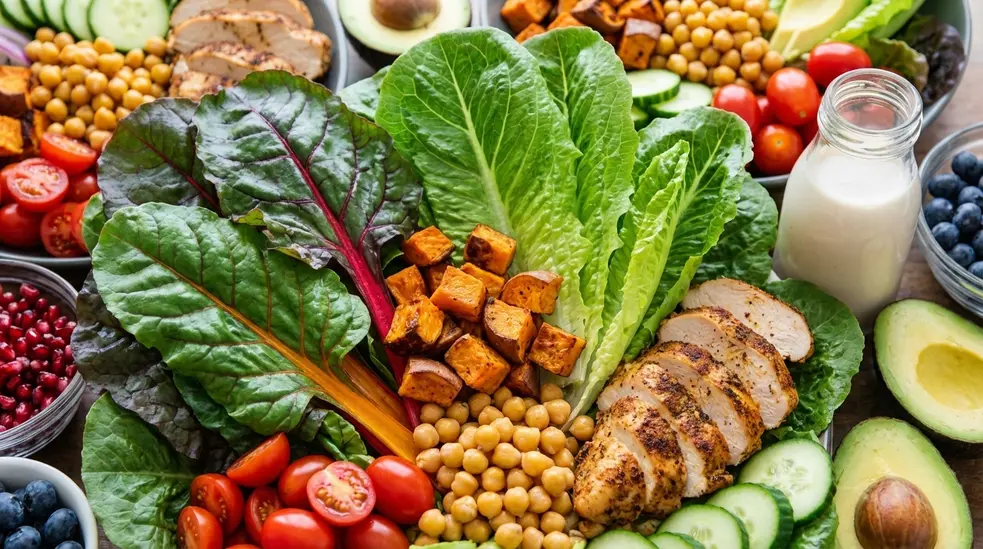
Instead of heavy rotis, try supergreen wraps. Use Swiss chard, collard greens, or large spinach leaves to wrap your proteins. This reduces calorie density while skyrocketing micronutrient intake.
- Grilled chicken breast with avocado in a Swiss chard wrap.
- Chickpea salad with lemon-tahini dressing.
- Quinoa and roasted vegetable bowls.
- Lentil soup (daal) stored in portable thermoses.
- Tuna salad with Greek yogurt instead of mayo, served in cucumber boats.
Sustained Energy Dinners (15-20 minutes)
- Baked fish with a side of sautéed broccoli and garlic.
- Lean beef stir-fry with snap peas and ginger.
- Grilled paneer with a massive green salad.
- Turkey chili loaded with beans and fiber.
- Zucchini noodles (zoodles) with pesto and grilled shrimp.
Portable Energy Snacks (5 minutes)
- Hard-boiled eggs with a pinch of black pepper.
- Mixed raw nuts (almonds, walnuts, and pistachios).
- Apple slices with natural peanut butter.
- Roasted chickpeas with chili flakes.
- Cottage cheese with pineapple chunks.
The Forward Path: Steps to Success at Home
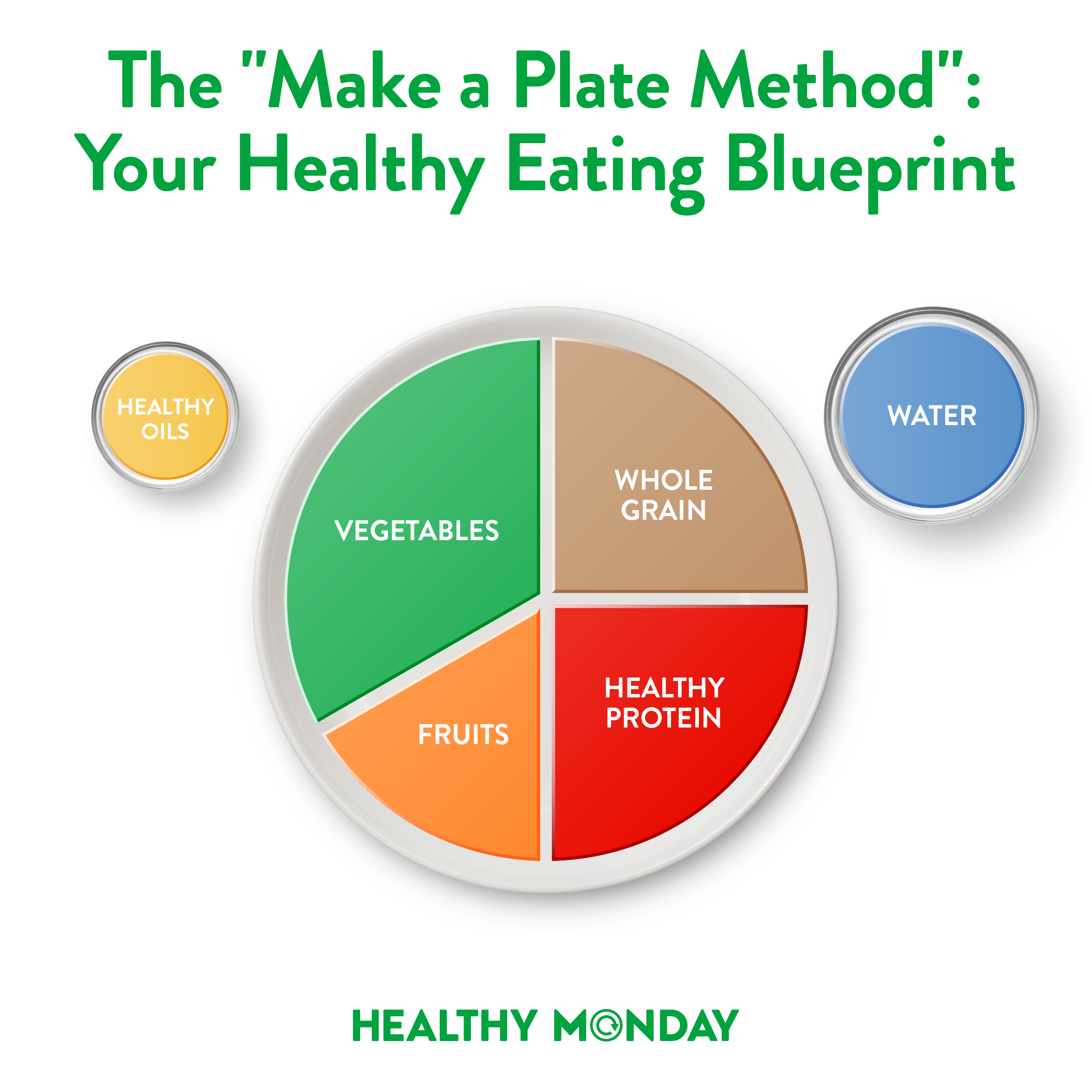
To begin your journey toward better health, we recommend the “Make a Plate” method. This involves filling half your plate with non-starchy vegetables, one-quarter with lean protein (aiming for 25-30g), and one-quarter with complex carbohydrates or healthy fats.
Consistent Energy-Boosting Meal Prep is about progress, not perfection. Start by batch-cooking your proteins and grains on the weekend. If you or a family member struggles with chronic fatigue, weight management, or blood sugar fluctuations, it is time to seek professional guidance.
The Nutrition Department at Sidra Family Hospital offers personalized dietary assessments tailored to your specific metabolic needs and cultural preferences. We help you bridge the gap between medical science and daily habits. Visit us today to design a plan that fuels your family’s future.
Frequently Asked Questions
What is the best meal prep for steady energy at work?
The most effective strategy is combining a lean protein with high-fiber vegetables. This slows digestion and ensures a steady release of glucose into the bloodstream, preventing energy dips.
How can I avoid the afternoon energy slump?
Avoid high-sugar snacks and refined white flour at lunch. Focus on meals that include healthy fats (like avocado) and at least 25g of protein to maintain satiety and focus.
Are these meal prep ideas suitable for gluten-free diets?
Yes. By using supergreen wraps (chard or spinach) instead of bread and opting for naturally gluten-free grains like quinoa or buckwheat, these meals are ideal for gluten-sensitive individuals.