Gout Diet Guide: What to Eat, Avoid & Why It Matters
At Sidra Family Hospital, we understand that joint pain can be more than just an inconvenience—it can stop you from participating in the family moments that matter most. Gout, a complex form of arthritis, often strikes suddenly and with intense severity. However, managing this condition starts in your kitchen. This gout diet guide is designed to help you navigate your nutritional choices to lower uric acid levels and protect your mobility.
The Translation: What is Gout?
Gout occurs when urate crystals accumulate in your joints, causing the inflammation and intense pain of a gout attack. These crystals form when you have high levels of uric acid in your blood. Your body produces uric acid when it breaks down purines—substances found naturally in your body and in certain foods.
Think of uric acid as a waste product that normally dissolves in your blood and passes through your kidneys into your urine. When your body produces too much or your kidneys excrete too little, the acid builds up. This “translation” from a metabolic process to a physical ailment is why our gout diet guide focuses so heavily on purine management.
The Socio-Economic Impact: Gout in the Pakistani Context
In Pakistan, gout is frequently misdiagnosed or ignored until it becomes chronic. For many families, the “breadwinner” is the one most affected by sudden flare-ups. A single attack can lead to days of lost wages, putting a significant financial strain on the household.
Furthermore, our traditional diet often includes high-purine elements like organ meats (Kaleji) and heavy meat-based dishes like Nihari or Paya. At Sidra Family Hospital, we believe that education is the first step toward economic stability. By following a gout diet guide tailored to local habits, families can avoid the high costs of long-term medication and emergency room visits, ensuring that resources are spent on growth rather than preventable pain.

10 Foods to Avoid When You Have Gout
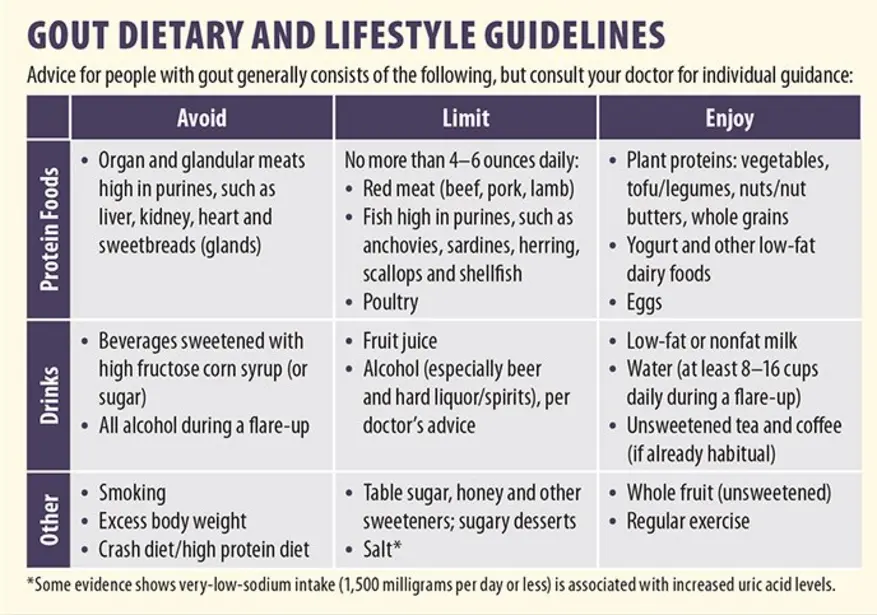
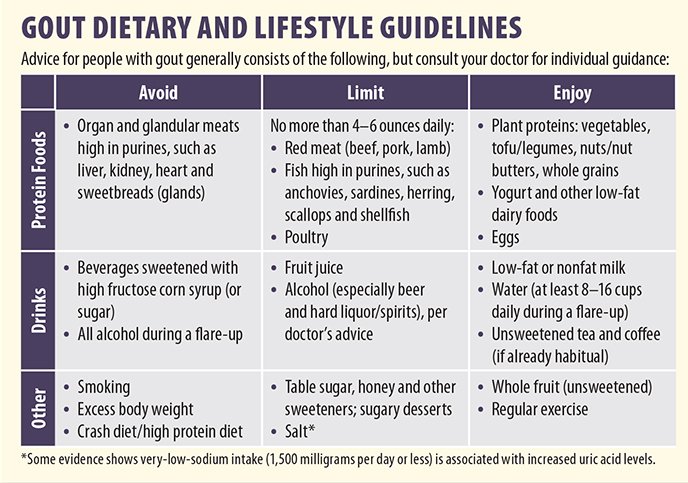
To reduce the frequency of attacks, it is essential to limit foods that are high in purines. Our gout diet guide recommends avoiding or strictly limiting the following:
1. Alcohol
Beer is particularly high in purines and has been strongly linked to gout attacks. Alcohol also interferes with the body’s ability to remove uric acid.
2. Organ Meats
Meats like liver (kaleji), kidneys, and sweetbreads are purine-heavy and should be entirely avoided during flare-ups.
3. Game Meats
Meats such as venison or rabbit are significantly higher in purines than standard poultry or lean beef.
4. Seafood
Certain shellfish like mussels, scallops, and crab should be limited as they can trigger sudden uric acid spikes.
5. Specific Fish
While fish is generally healthy, stay away from sardines, anchovies, and mackerel if you are managing gout symptoms.
6. High-Sugar Drinks
Beverages sweetened with high-fructose corn syrup, like sodas and some commercial fruit juices, are major contributors to gout risk.
7. Processed Sugary Foods
Cakes, cookies, and sweets don’t just affect your weight; the refined sugar can stimulate uric acid production.
8. Products Containing Yeast
Certain yeast extracts and supplements can contribute to higher purine levels in the blood.
9. High-Purine Vegetables
While most vegetables are safe, some like asparagus and spinach have moderate purine levels. However, they are generally less harmful than meat-based purines.
10. Oats
Though usually healthy, oats contain a moderate amount of purines. If you are in the middle of a flare, consider switching to other grains temporarily.
7 Foods to Embrace for Better Joint Health
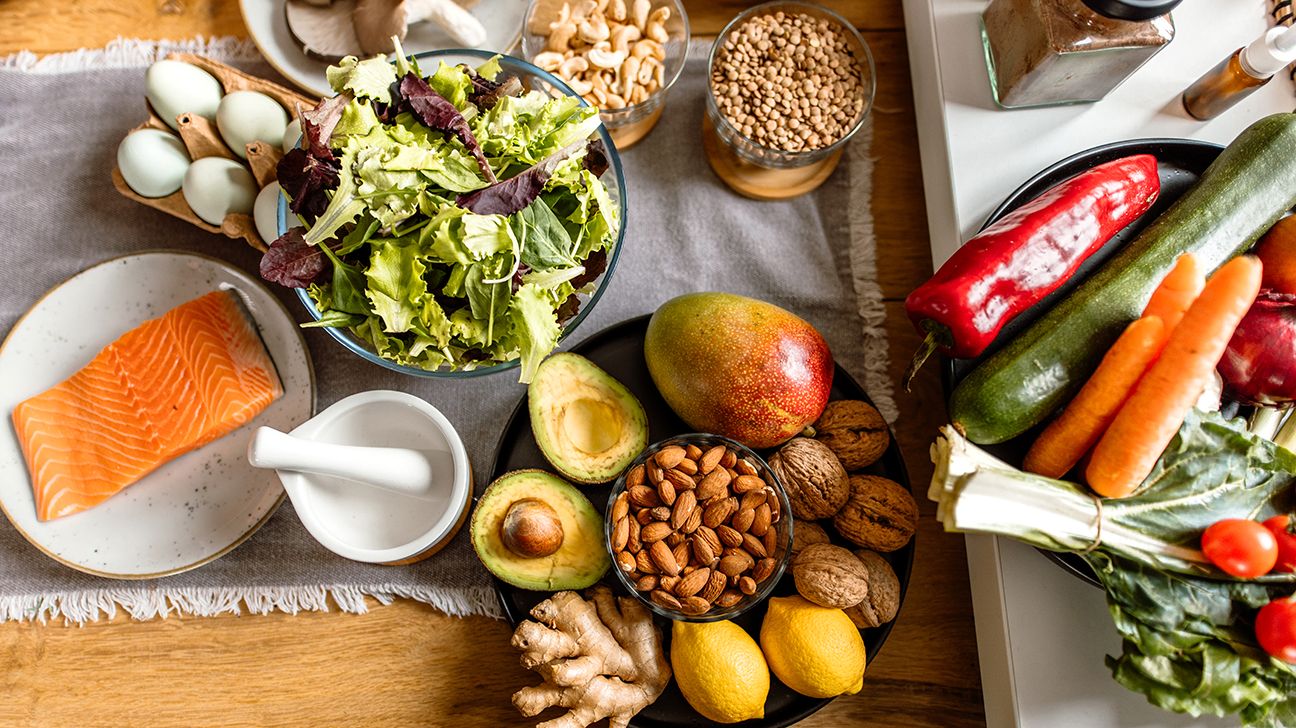
A gout diet guide isn’t just about what you can’t eat. It’s about finding delicious alternatives that promote healing. Incorporate these into your daily meals:
1. Fruits
All fruits are generally good, but cherries are especially beneficial. Studies suggest they may help lower uric acid levels and reduce inflammation.
2. Vegetables
Most vegetables are excellent for gout management. They provide essential fiber and vitamins without the purine load of animal products.
3. Legumes (Daal)
Lentils and beans are fantastic protein sources. In a Pakistani household, “Daal” is a staple that provides the body with nutrients without the risks associated with red meat.
4. Low-Fat Dairy
Low-fat yogurt and milk have been shown to actually help lower uric acid levels, making them a protective addition to your diet.
5. Nuts and Seeds
Walnuts, almonds, and flaxseeds provide healthy fats that fight inflammation throughout the body.
6. Hydrating Drinks
Water is your best friend. Drinking plenty of fluids helps your kidneys flush out uric acid. Green tea is also a great, antioxidant-rich choice.
7. Whole Grains
Brown rice, barley, and whole-wheat roti are better choices than refined white flour, providing sustained energy and better metabolic health.
Advanced Dietary Strategies: DASH and Mediterranean
Beyond individual foods, overall eating patterns matter. The DASH Diet (Dietary Approaches to Stop Hypertension) and the Mediterranean Diet are highly recommended by our specialists at Sidra Family Hospital.
The DASH diet focuses on fruits, vegetables, and low-fat dairy while reducing salt and red meat. Research shows this approach significantly lowers uric acid levels. Similarly, the Mediterranean diet emphasizes healthy fats and plant-based foods, which helps manage the inflammation that causes gout pain.
The Forward Path: Care at Sidra Family Hospital
Managing gout is a lifelong journey, but you don’t have to walk it alone. Prevention is the cornerstone of our “Family-First” philosophy. We recommend staying hydrated, maintaining a healthy weight, and following this gout diet guide to minimize flare-ups.
If you or a loved one are experiencing joint pain, redness, or swelling, visit our dedicated Nutrition Department and general medicine clinics. We offer personalized consultations to create a meal plan that fits your lifestyle and cultural preferences. At Sidra Family Hospital, we are committed to providing the expert guidance and compassionate care your family deserves.