
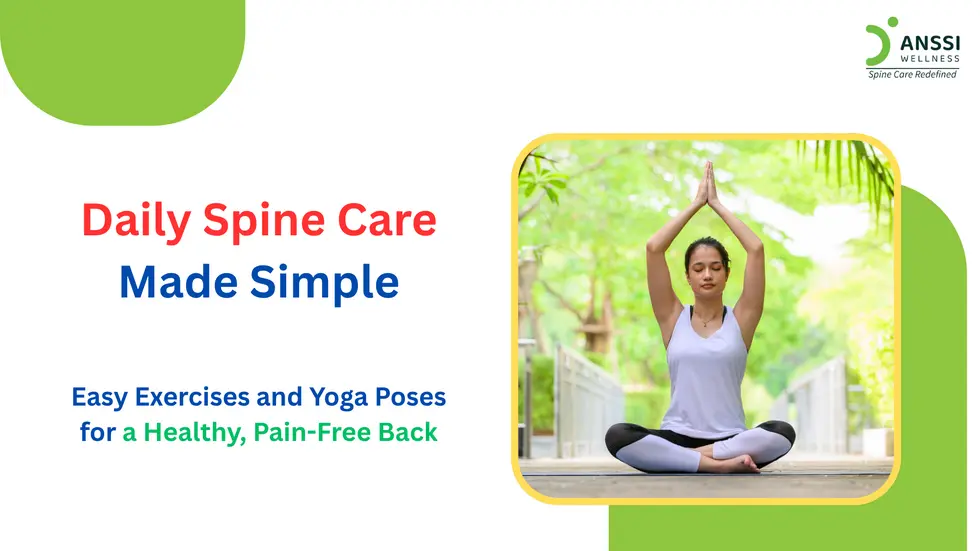
Daily Spine Care: Simple Exercises and Yoga for a Pain-Free Life
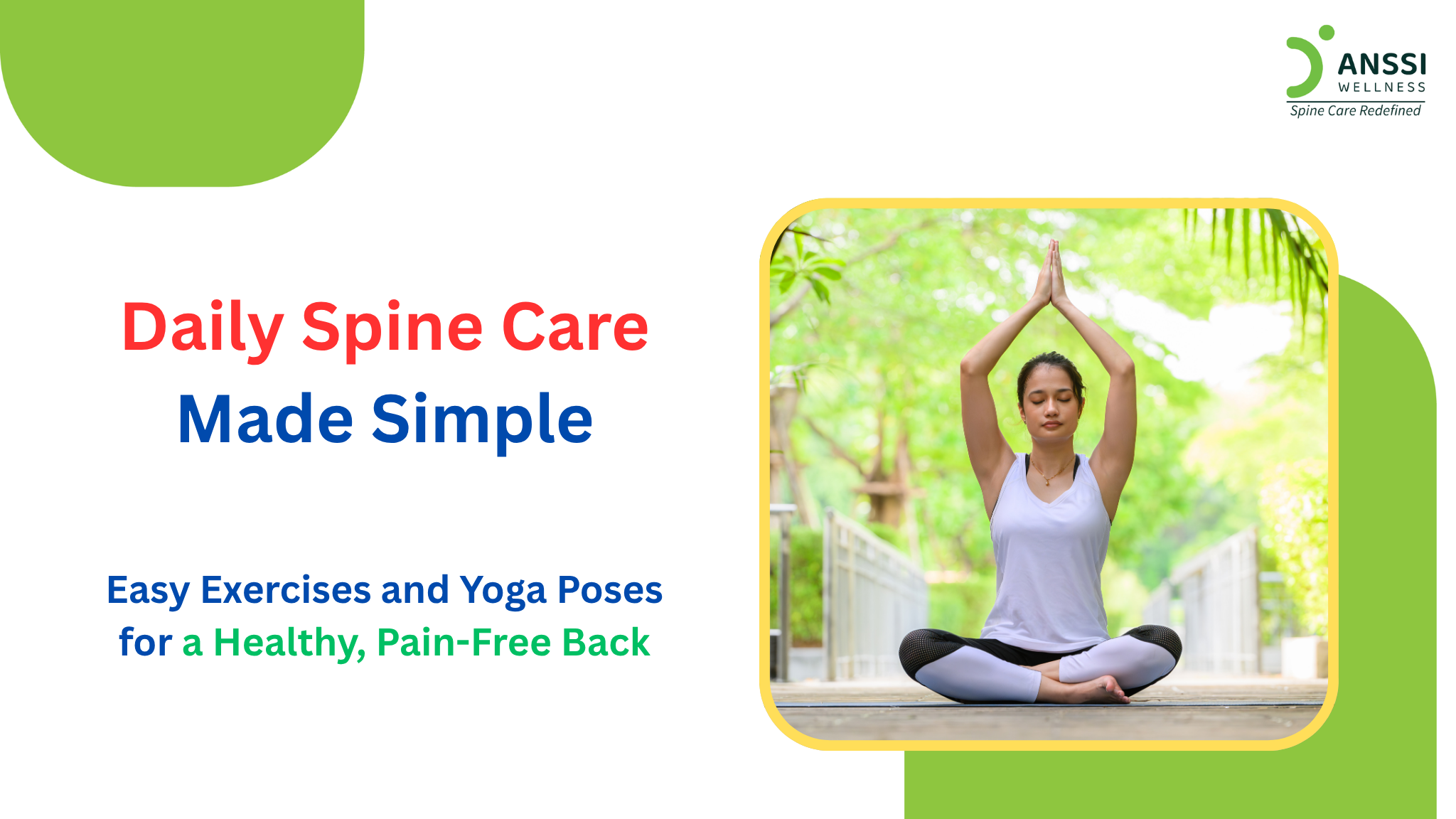
Daily Spine Care: Simple Exercises and Yoga for a Pain-Free Life
At Sidra Family Hospital, we believe that a healthy spine is the backbone of a vibrant family life. Whether you are a student hunched over books, a professional at a desk, or a grandparent keeping up with toddlers, your spinal health determines your quality of life. Understanding and implementing daily spine care can prevent chronic pain and ensure mobility for years to come.
The Translation: What Spine Health Really Means
In medical terms, your spine is a complex architecture of 33 vertebrae, intervertebral discs that act as shock absorbers, and a network of nerves. When we talk about daily spine care, we are referring to the maintenance of this structure through proper alignment and muscular support.
Chronic back pain often stems from “mechanical” issues—wear and tear on the discs or strain on the ligaments. By engaging in targeted exercises, you strengthen the “core” muscles (the abdominals and paraspinals) that act as a natural brace for your vertebrae. This reduces the load on your bones and keeps the neural pathways clear, preventing the debilitating “shooting pain” many adults experience.
The Socio-Economic Impact: Spine Health in the Pakistani Context
In Pakistan, the socio-economic impact of spinal issues is profound. In many households, a single breadwinner supports an entire multi-generational family. When that individual suffers from chronic back or neck pain, it doesn’t just affect their health; it threatens the family’s financial stability.
Furthermore, our cultural reliance on the “joint family system” means that elderly members often play a crucial role in childcare. If a grandparent loses mobility due to spinal stiffness, the entire household dynamic shifts. Investing fifteen minutes in daily spine care is not just a personal health choice; it is a commitment to your family’s collective resilience and economic well-being.
Key Muscle Groups That Support the Spine
To protect your back, you must focus on more than just the spine itself. The core muscles, including the transverse abdominis and the multifidus, provide the necessary stability to prevent injury. Additionally, flexible hamstrings and strong glutes take the pressure off the lower back (lumbar region) during daily tasks like lifting groceries or picking up a child.

Simple Daily Exercises (No Equipment Needed)
Consistency is more vital than intensity. You do not need a gym membership to practice effective daily spine care. Start with these simple movements:
- Cat-Cow Stretch: On your hands and knees, alternate between arching your back toward the ceiling and dipping it toward the floor. This improves the flexibility of the entire spinal column.
- Bird-Dog: From the same position, extend your right arm forward and your left leg back. This builds the core stability required to protect your discs.
- The Plank: A foundational move that strengthens the deep abdominal muscles, providing a solid support system for your lower back.
Easy Yoga Poses for Spinal Health
Yoga offers a holistic approach to alignment. Incorporating these poses into your routine can significantly reduce tension:
- Cobra Pose (Bhujangasana): Lying on your stomach and gently lifting your chest helps counteract the “slouch” associated with desk work.
- Downward Dog (Adho Mukha Svanasana): This pose provides a full-body stretch, decompressing the spine and lengthening the hamstrings.
- Mountain Pose (Tadasana): This simple standing pose focuses on perfect alignment, teaching your body how to stand without straining the lumbar region.

Fitness for Every Life Stage: Pilates and Senior Movement
At Sidra Family Hospital, we tailor our advice to every family member. For women, especially those in postnatal recovery, Pilates offers a low-impact way to regain core strength and pelvic stability. It focuses on “controlled breathing” and precision, making it safe and effective.
For our seniors, daily movement is the key to independence. Simple activities like marching in place or chair stands improve balance and reduce the risk of falls. Keeping the spine mobile ensures that the nervous system functions optimally, which has been linked to improved cognitive clarity and mood.
The Forward Path: Prevention and Professional Care
The journey to a pain-free life begins with small, intentional habits. Prioritize your posture, take “movement breaks” every 30 minutes, and stay hydrated to keep your spinal discs healthy. However, if you experience persistent numbness, sharp pain, or weakness in your limbs, it is time to seek professional guidance.
Our Lifestyle Medicine and Physiotherapy departments at Sidra Family Hospital provide personalized care plans. Whether you need ergonomic advice for your home office or specialized treatment for a chronic condition, SFH is here to support your family’s journey toward lasting wellness. Let us help you move with confidence and intent, ensuring your spine stays strong for a lifetime.