Top Keto Veggies by Carbs: Best Low-Carb Vegetables for Optimal Ketosis
Top Keto Veggies by Carbs: Best Low-Carb Vegetables for Optimal Ketosis
At Sidra Family Hospital, we believe that nutritional education is the first step toward a healthier household. Choosing the top keto veggies by carbs is not just about weight loss; it is about managing lipid profiles, stabilizing blood sugar, and protecting your family’s heart health. For many in our community, transitioning to a ketogenic or low-carb lifestyle can feel overwhelming, but focusing on nutrient-dense, above-ground vegetables makes the process seamless and effective.
The Translation: Understanding Net Carbs and Heart Health
In medical terms, not all carbohydrates are created equal. When we discuss the top keto veggies by carbs, we focus on “net carbs.” Net carbs are calculated by subtracting the fiber content from the total carbohydrate count. Fiber is a type of carbohydrate your body cannot digest; therefore, it doesn’t raise blood sugar or kick you out of ketosis.
For patients at Sidra Family Hospital, understanding this distinction is vital. High-fiber, low-net-carb vegetables help lower LDL (bad) cholesterol and improve digestive health. By choosing vegetables that have a minimal impact on insulin, you reduce the risk of chronic inflammation, which is a leading cause of cardiovascular disease.
The Golden Rule: Above-Ground vs. Below-Ground
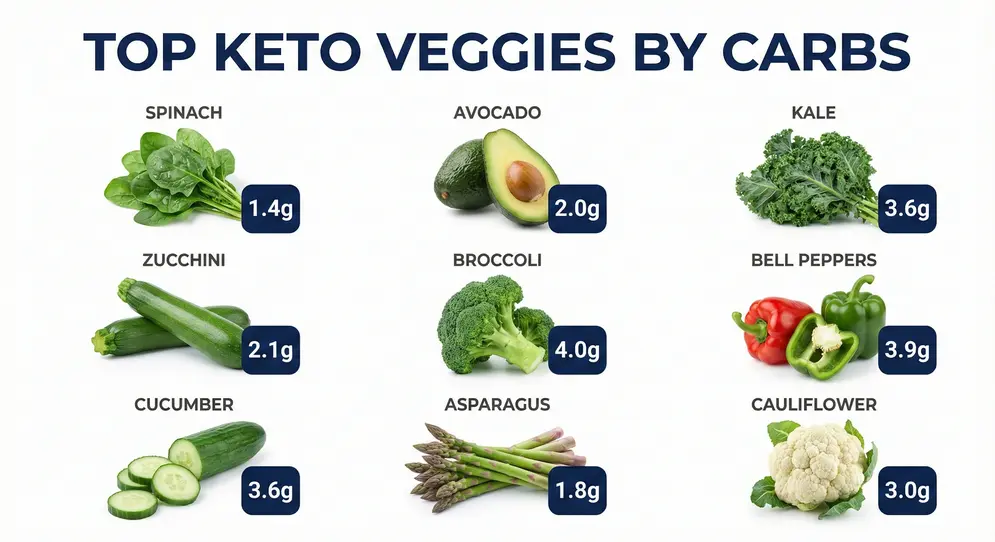
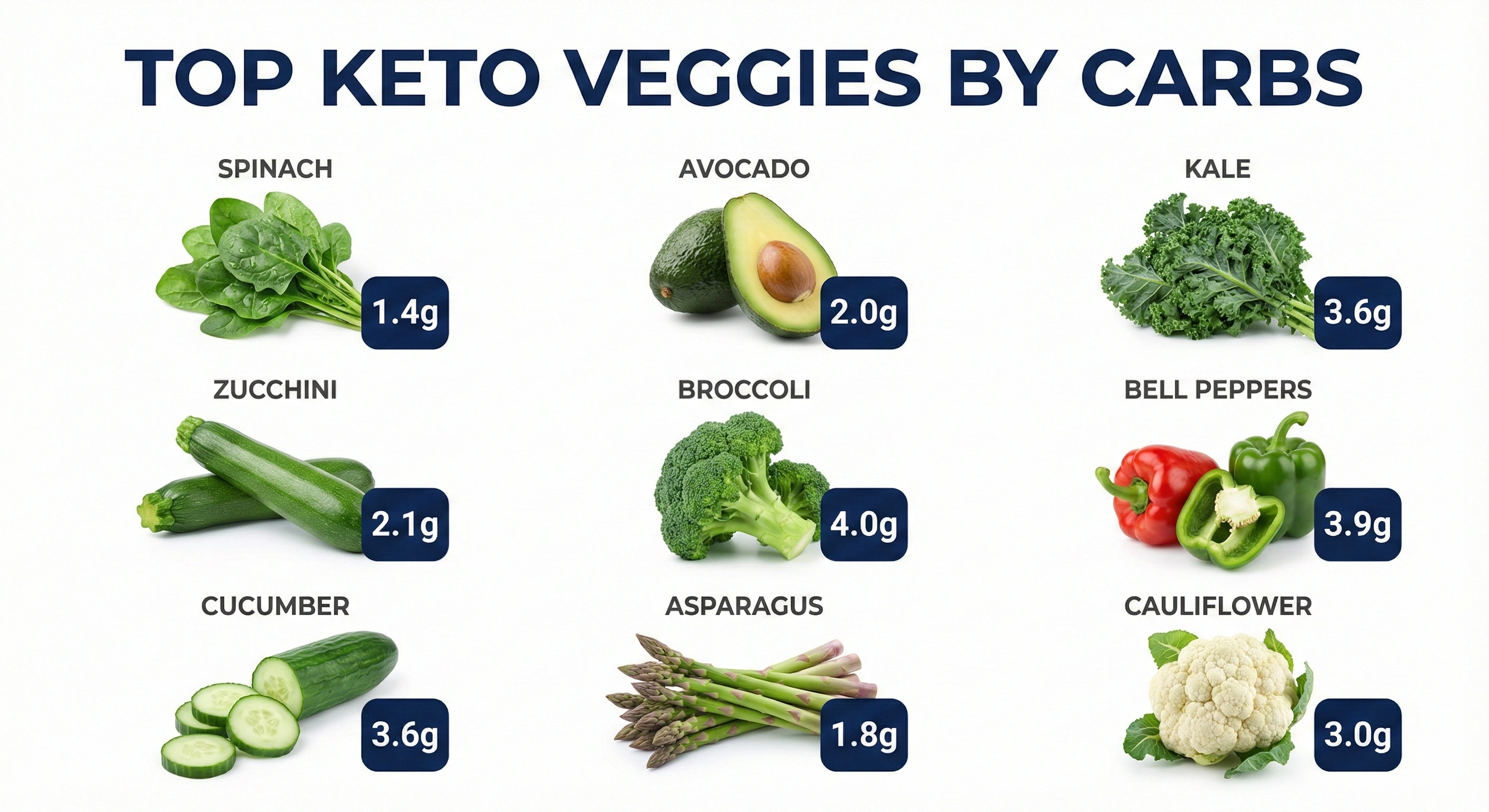
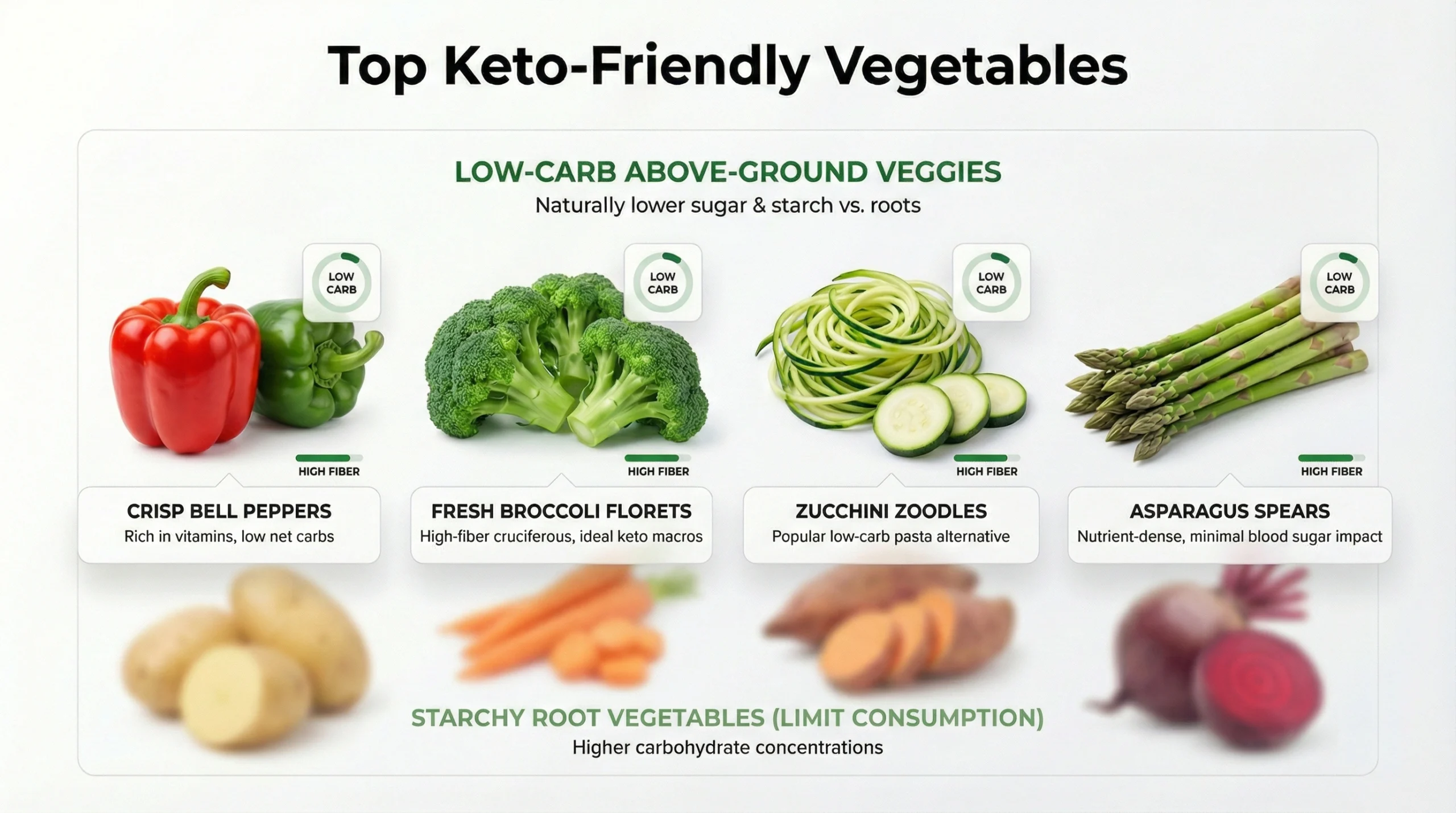
A simple clinical rule we share with our patients is the “ground rule.” Generally, vegetables grown above the ground (like spinach, cauliflower, and zucchini) are lower in carbohydrates and are the top keto veggies by carbs. Conversely, vegetables grown below the ground (tubers like potatoes and carrots) are starchy and can cause rapid spikes in blood glucose levels.
The Ultra-Low Carb Champions (0–2g Net Carbs)
If you are looking for the absolute best options to maintain ketosis, these leafy heroes should be the foundation of your meals:
- Spinach: Containing only 0–1g net carbs per cup, spinach is rich in potassium and magnesium, essential for heart rhythm.
- Lettuce Varieties: Romaine and iceberg offer hydration and crunch with virtually no carb impact.
- Arugula and Bok Choy: These provide unique antioxidants that support liver detoxification.
- Mushrooms: An excellent source of B-vitamins with only 1-2g of net carbs.
Foundation Keto Vegetables (2–4g Net Carbs)
These vegetables are versatile staples for any healthy family kitchen. They provide bulk to meals without compromising your metabolic goals.
Cauliflower and Broccoli: These cruciferous vegetables are the workhorses of the keto diet. Cauliflower can be mashed or “riced” to replace high-carb grains, while broccoli provides essential Vitamin C and fiber to keep you feeling full.
Zucchini and Asparagus: These are excellent for grilled side dishes. Zucchini, in particular, is a great local substitute for noodles, helping families enjoy traditional-style meals with a healthy twist.
The Socio-Economic Impact: Why Nutrition Matters in Pakistan
In the local Pakistani context, chronic conditions like Type 2 Diabetes and hypertension are rising at an alarming rate. These “lifestyle diseases” carry a heavy socio-economic burden. Families often face high costs for long-term medication, frequent hospitalizations, and lost productivity.
At Sidra Family Hospital, we see how dietary changes can alleviate this burden. By prioritizing top keto veggies by carbs that are available in local markets—such as spinach (palak), cabbage (band gobhi), and eggplant (baingan)—families can prevent expensive medical complications. Investing in fresh, low-carb vegetables is significantly more affordable than the lifetime cost of managing advanced heart disease or diabetic complications.
Strategic Consumption: Maximizing Nutrient Intake
How you prepare your vegetables is just as important as which ones you choose. For optimal health, our Nutrition Department recommends cooking your greens with healthy fats like olive oil or clarified butter (ghee). Many essential vitamins (A, D, E, and K) are fat-soluble, meaning your body needs fat to absorb them.
Furthermore, managing stress is a critical component of metabolic health. High cortisol levels from stress can interfere with weight loss and heart health. We recommend pairing a healthy diet with activities like yoga to lower stress hormones naturally.

The Forward Path: Your Family’s Health Roadmap
Transitioning to a healthier lifestyle doesn’t happen overnight. Here are the practical steps we recommend for every family:
- Audit Your Kitchen: Replace starchy potatoes and grains with cauliflower, spinach, and zucchini.
- Focus on Net Carbs: Look at the fiber content in your vegetables to ensure you stay within your daily macros.
- Schedule a Consultation: If you are unsure where to start, our Nutrition Department offers personalized meal planning tailored to the Pakistani lifestyle.
- Utilize Telehealth: If your schedule is busy, Sidra Family Hospital offers telehealth visits for nutritional counseling and cholesterol management from the comfort of your home.
Whether you are visiting us in person or through a virtual consultation, Sidra Family Hospital is committed to providing compassionate, expert care for your entire family. Let the top keto veggies by carbs be the foundation of your journey toward a more vibrant, heart-healthy life.
FAQ: Keto Vegetables for Beginners
Can I eat carrots on keto?
Carrots are higher in sugar and carbs than leafy greens. While they can be eaten in very small amounts, they are generally avoided by those in strict ketosis.
What is the single best keto vegetable?
While subjective, spinach and cauliflower are often considered the best due to their extremely low carb count and high versatility in cooking.
Do I need to track carbs in greens?
While greens are low in carbs, it is always a good idea to monitor your total daily intake if you are managing a medical condition like diabetes or high cholesterol.