
Hair Loss During Pregnancy: Causes, Care, and Finding Confidence

For many women, pregnancy is associated with thick, lustrous locks thanks to a surge in estrogen. However, for others, the reality is quite different. Experiencing hair loss during pregnancy can be an emotionally taxing surprise during an already transformative time.
At Sidra Family Hospital, we believe that understanding the “why” behind these changes is the first step toward reclaiming your confidence. Whether it is a result of hormonal shifts or underlying health conditions, our medical team is dedicated to supporting your wellness journey.
Is Hair Loss During Pregnancy Normal?
While most women experience a delay in the normal hair shedding cycle (resulting in thicker hair), a significant number of mothers-to-be face diffuse thinning. This is often a temporary condition known as Telogen Effluvium.
Typically, hair follows a growth phase and a resting phase. During pregnancy, physical stress or hormonal fluctuations can prematurely push hair into the resting phase. This results in noticeable shedding approximately three months after the triggering event.
The Translation: Explaining the Condition
In medical terms, hair loss during pregnancy is rarely a sign of permanent balding. Think of your hair follicles as a biological clock. Usually, 90% of your hair is growing, while 10% is resting before falling out.
When your body undergoes the massive metabolic shift of pregnancy, that clock can get “shocked.” More hairs enter the resting phase simultaneously. While it looks alarming in your hairbrush, the follicles are usually still healthy—they are simply taking an unscheduled break to prioritize your baby’s development.
Why It Happens: Beyond the Hormones
Several factors can trigger or worsen hair loss during pregnancy. At Sidra Family Hospital, we take a holistic approach to identifying these causes:
1. Nutritional Deficiencies
Pregnancy increases your body’s demand for minerals. Low levels of Iron (Ferritin) and Zinc are the most common culprits. If your diet isn’t keeping up with the baby’s needs, your body will divert nutrients away from “non-essential” functions like hair growth.
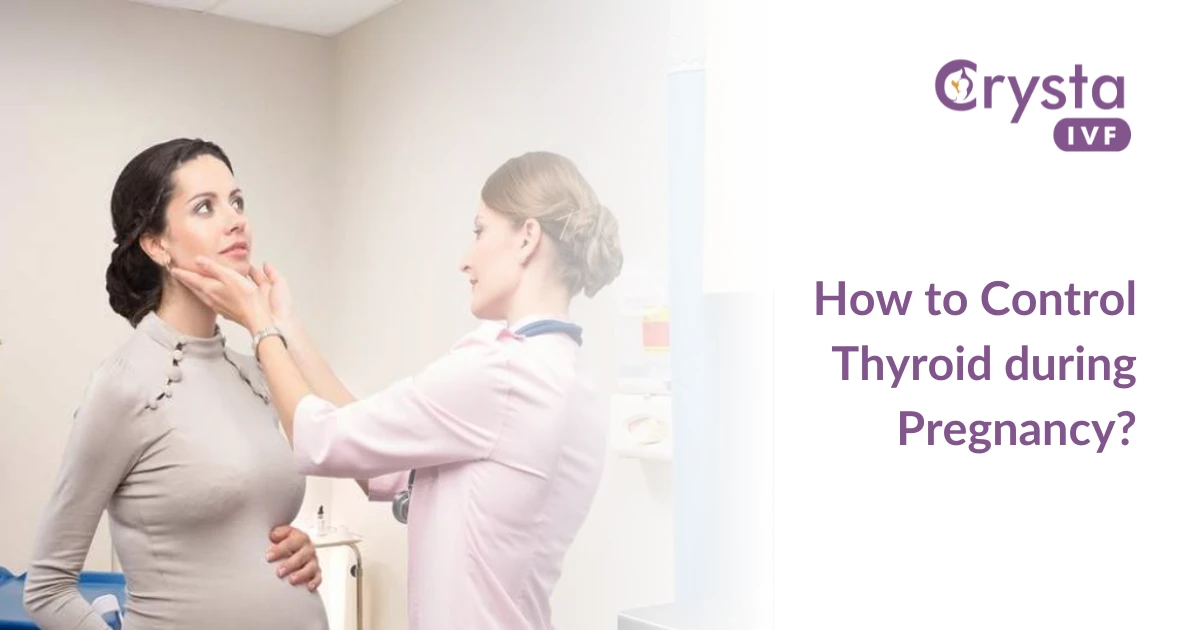
2. Thyroid Imbalances
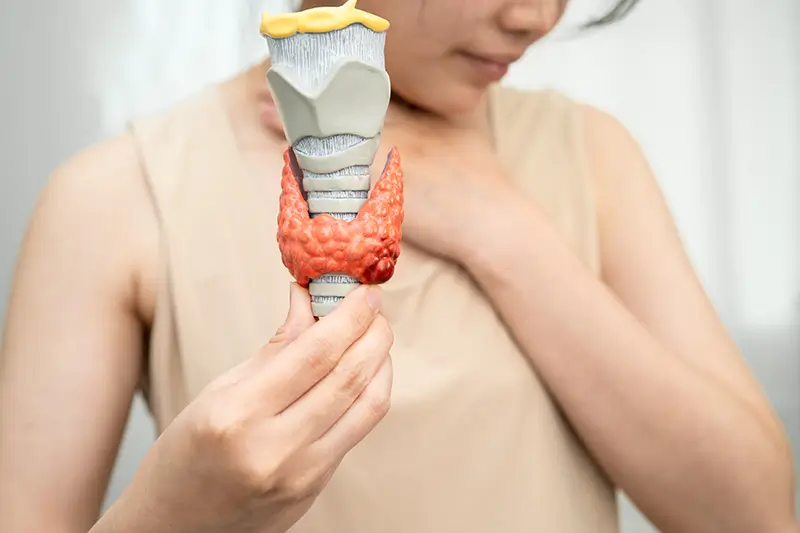
The thyroid gland is the master of your metabolism. Pregnancy can trigger conditions like hypothyroidism (underactive thyroid) or even Hashimoto’s disease. These imbalances frequently lead to dry, brittle hair and diffuse thinning.
3. Sudden Hormonal Shifts
While estrogen usually keeps hair in the growth phase, fluctuations in progesterone or the cessation of birth control just before pregnancy can disrupt the cycle. This creates a synchronization of the shedding phase that leads to visible loss.
The Socio-Economic Impact on Pakistani Families
In our local context, hair is often viewed as a symbol of health, youth, and vitality. For a Pakistani mother, experiencing hair loss during pregnancy can lead to significant social anxiety. There is often immense pressure to maintain a certain appearance while managing a household.
Furthermore, nutritional gaps are a reality for many in our community. Access to high-quality protein and iron-rich foods can be a challenge. At Sidra Family Hospital, we recognize that maternal health is a family investment. When a mother feels unwell or loses confidence, it impacts the entire family dynamic. We aim to provide affordable diagnostic screenings to ensure that every mother, regardless of her socio-economic background, has access to the vitamins and care she needs.
The Forward Path: Steps to Recovery
If you are noticing more hair on your pillow than usual, do not panic. Here is how you can manage hair loss during pregnancy effectively:
- Consult our Gynae Team: Ensure your prenatal vitamins are optimized for your specific blood profile.
- Monitor Your Thyroid: We recommend routine TSH screenings, especially if you feel unusually fatigued or have dry skin.
- Gentle Care: Avoid aggressive chemical treatments, tight hairstyles, or heat styling that can stress fragile strands.
- Safe Products: Switch to sulfate-free, nourishing shampoos. Avoid medications like minoxidil, which are unsafe during pregnancy.
When to Consult a Trichologist or Specialist
If you notice patchy hair loss (alopecia areata) or if the shedding is accompanied by scalp irritation or redness, it is time to seek professional help. Our specialized Nutrition and Gynaecology departments at Sidra Family Hospital work in tandem to treat the root cause, not just the symptoms.
Remember, your body is doing the incredible work of growing a new life. While hair loss during pregnancy is frustrating, it is usually a temporary chapter in your journey to motherhood. At SFH, we prioritize your “Family-First” wellness, ensuring you and your baby remain vibrant and healthy.
Ready to speak with a specialist? Our telehealth services allow you to consult with our doctors from the comfort of your home. Book your virtual visit today at Sidra Family Hospital.