
How Aging Affects Lower-Urinary Tract Symptoms: A Comprehensive Guide

How Aging Affects Lower-Urinary Tract Symptoms: A Comprehensive Family Guide
Aging is a natural journey, but it often brings physiological changes that can feel overwhelming for both the individual and their family. Among the most common yet least discussed concerns are Lower-Urinary Tract Symptoms (LUTS). These symptoms can range from a frequent urge to go to the more distressing experience of urinary incontinence.
At Sidra Family Hospital, we advocate for a “Family-First” approach to health. Understanding how the aging process alters bladder and urethral function is the first step toward reclaiming a vibrant, active lifestyle. We believe that no one should have to suffer in silence or miss out on life’s precious moments due to manageable medical conditions.
Understanding the Impact of Aging on the Lower-Urinary Tract
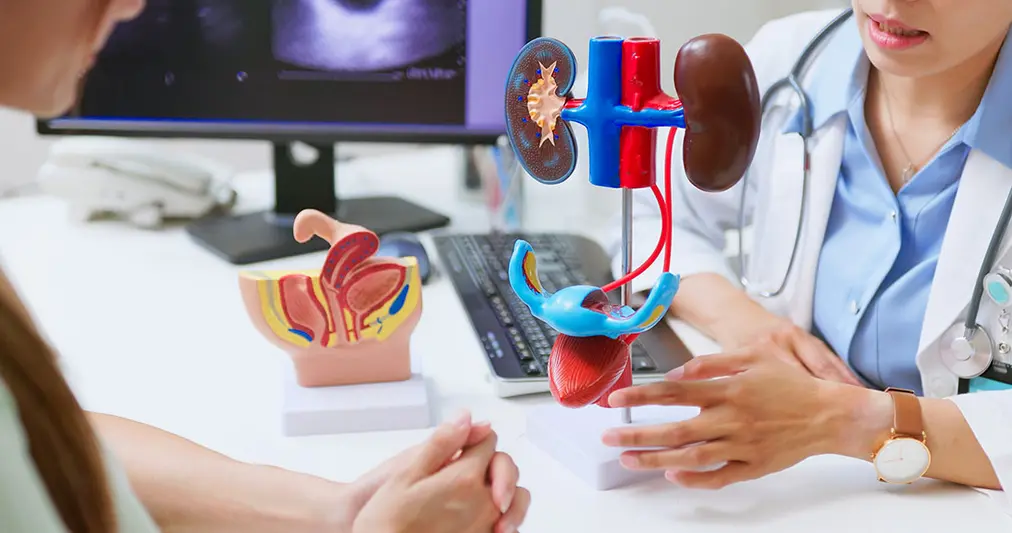
As we age, our bodies undergo structural and functional transformations. The bladder wall may lose its elasticity, leading to a reduced capacity to hold urine. Additionally, the muscles surrounding the urethra can weaken, making it harder to control the flow. For men, the prostate gland often enlarges with age, creating a physical obstruction that leads to Lower-Urinary Tract Symptoms.
Research, including the work conducted by DSUI, highlights that oxidative stress plays a significant role in these changes. Environmental factors, cumulative cellular damage, and lifestyle choices can accelerate the aging of the urinary system. Recognizing these signs early allows for interventions that can significantly improve long-term outcomes.

The Translation: What are Lower-Urinary Tract Symptoms (LUTS)?
To provide the best care, it is essential to translate medical jargon into understandable terms. Lower-Urinary Tract Symptoms are generally categorized into three groups: storage, voiding, and post-micturition symptoms.
- Storage Symptoms: This includes “frequency” (needing to go more than eight times a day), “urgency” (a sudden, uncontrollable need to urinate), and “nocturia” (waking up multiple times at night to use the bathroom).
- Voiding Symptoms: These involve difficulty starting the flow of urine, a weak or hesitant stream, and straining to empty the bladder.
- Post-Micturition Symptoms: This is characterized by the sensation that the bladder is not completely empty even after finishing, or experiencing leakage shortly after leaving the bathroom.
While these symptoms are common as we grow older, they are not an inevitable “price of aging” that must be accepted without treatment. Modern urology and gynecology offer various pathways to relief, focusing on both the mechanical and neurological aspects of bladder control.
The Socio-Economic Impact: LUTS in the Pakistani Family Context
In Pakistan, our family structures are deeply rooted in respect and care for our elders. However, Lower-Urinary Tract Symptoms often carry a heavy social stigma. Many elderly patients feel a sense of “shame” (sharam) regarding incontinence, leading them to withdraw from social functions, family dinners, and religious activities.
The economic impact on the family is also significant. Chronic LUTS can lead to increased spending on palliative supplies like adult diapers, which often place a strain on the household budget. Furthermore, if left untreated, these symptoms can lead to more severe complications like urinary tract infections (UTIs) or kidney damage, resulting in expensive emergency hospitalizations.
By addressing Lower-Urinary Tract Symptoms proactively, families can reduce the long-term financial burden and, more importantly, ensure their loved ones remain integrated members of the community. At Sidra Family Hospital, we foster a compassionate environment where these topics can be discussed openly and without judgment.
The Forward Path: Proactive Management and Care
The journey to a healthier bladder begins with small, consistent lifestyle changes. Managing oxidative stress is vital. We recommend a diet rich in antioxidants, regular low-impact exercise, and, most importantly, tobacco cessation. Smoking is a significant irritant to the bladder lining and a primary contributor to Lower-Urinary Tract Symptoms.
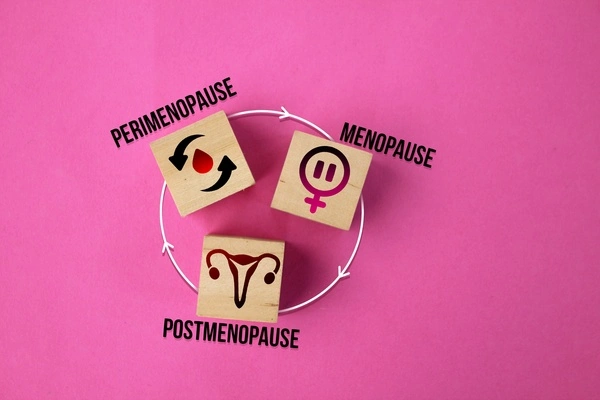
For women, pelvic floor therapy can be transformative, especially during and after the menopausal transition. For men, regular prostate screenings at Sidra Family Hospital’s Urology department are essential for early detection of issues that cause voiding obstruction.
When should you visit Sidra Family Hospital? If you or a family member find that urinary habits are dictating your daily schedule, it is time for a consultation. Our specialized Urology and Gynecology departments use state-of-the-art diagnostics to identify the root cause and provide tailored treatment plans.
Don’t let discomfort limit your social life. Seeking early medical guidance can effectively alleviate Lower-Urinary Tract Symptoms and restore your confidence. SFH is committed to providing your family with the professional, compassionate care needed to ensure a vibrant, healthy future for every generation.