
Body Sunscreen: The Essential Guide to Daily Family Skin Protection

When we think about skincare, our focus almost always lands on the face. We invest in serums, moisturizers, and facial sunblocks, often neglecting the rest of our body. However, at Sidra Family Hospital, we see the long-term effects of this oversight every day. Your skin is your body’s largest organ, and the skin on your neck, arms, and hands is just as susceptible to damage as the skin on your cheeks.
The Translation: What Does Sun Damage Really Mean?
In medical terms, sun damage is often referred to as photoaging or phototoxicity. To translate this for our families: imagine your skin is like a fine piece of fabric. When left in the sun for years, that fabric becomes brittle, loses its color, and eventually begins to tear. Ultraviolet (UV) radiation from the sun penetrates the skin and damages the DNA within your cells.
This damage isn’t just about getting a “tan.” It is a cumulative process. Every time you step outside without body sunscreen, you are adding to a lifetime “bucket” of radiation. Once that bucket overflows, it manifests as deep wrinkles, leathery skin, dark spots (hyperpigmentation), and, most seriously, skin cancer. Broad-spectrum protection acts as a shield, reflecting or absorbing these rays before they can reach your cellular blueprint.

The Socio-Economic Impact: Why Sun Protection Matters in Pakistan
In the local Pakistani context, skin health is often viewed as a luxury, but it is actually a vital economic necessity. We live in a region with high UV intensity throughout the year. For the primary breadwinners of the family—many of whom may work outdoors or commute in open vehicles—skin damage can lead to chronic conditions that require expensive treatments.
There is also a common cultural myth that South Asian skin, rich in melanin, is naturally immune to the sun. While melanin provides some protection, it is not enough to prevent the DNA damage that leads to melanoma or squamous cell carcinoma. When a family member falls ill with a preventable condition like skin cancer, the financial and emotional toll on the household is immense. Investing in a bottle of body sunscreen today is far more cost-effective than managing dermatological surgeries or long-term treatments tomorrow.
Should We Wear Body Sunscreen Every Day?
The short answer is: Yes. UVA rays, which are responsible for aging and long-term damage, can penetrate through clouds and even through glass windows. This means that even if you spend most of your day indoors or in a car, your arms and hands are still being exposed. At Sidra Family Hospital, we recommend making body sunscreen a non-negotiable part of your morning routine, right alongside brushing your teeth.

Decoding SPF and PA Ratings
Choosing the right product can be confusing. Here is what we recommend for daily wear in our climate:
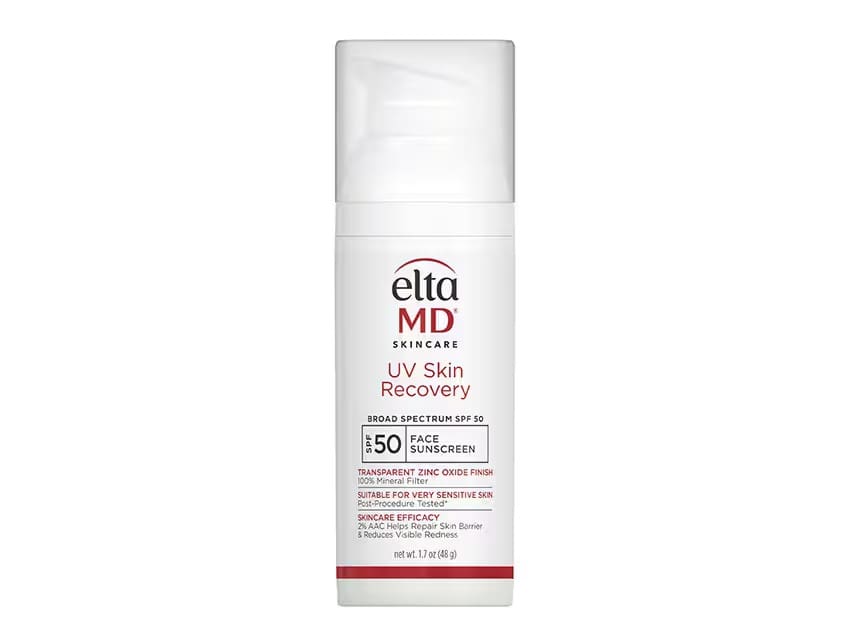
- SPF (Sun Protection Factor): For daily routine activities, an SPF 30 is the minimum. However, given the intensity of the sun in our region, SPF 50 is often better for those who spend time outdoors.
- PA Rating: This measures protection against UVA rays. Look for a “PA+++” or “PA++++” rating to ensure you are getting high-level protection against the rays that cause aging and cancer.
- Broad-Spectrum: Always ensure the label says “Broad-Spectrum,” meaning it protects against both UVA and UVB rays.
Pro-Tips for Effective Application
Most people apply only a fraction of the sunscreen they actually need. To protect your full body, an adult needs roughly one ounce—about the size of a shot glass—to cover all exposed areas. Don’t forget the “hidden” spots: the tops of your feet, the back of your neck, and your ears. If you are outdoors, you must reapply every two hours, as sweat and friction will wear the protection away.
The Forward Path: Protecting Your Family’s Future
At Sidra Family Hospital, our Dermatology department is dedicated to helping your family navigate skin health with ease. We believe in proactive care. If you have never had a professional skin check, or if you have noticed new spots or moles on your body, now is the time to visit us.
The forward path to health involves three simple steps:
- Prevention: Wear your body sunscreen daily and use physical barriers like hats and umbrellas.
- Education: Teach your children the importance of sun safety from a young age.
- Consultation: Schedule an annual skin screening with our specialists to catch any issues early.
Your family deserves a future of health and vitality. Let’s start by protecting the skin you’re in. Visit Sidra Family Hospital today for a personalized consultation and let us help you choose the best protection for your unique skin type.