
10 Best Foods for Mental Health and Mood Support | Sidra Family Hospital
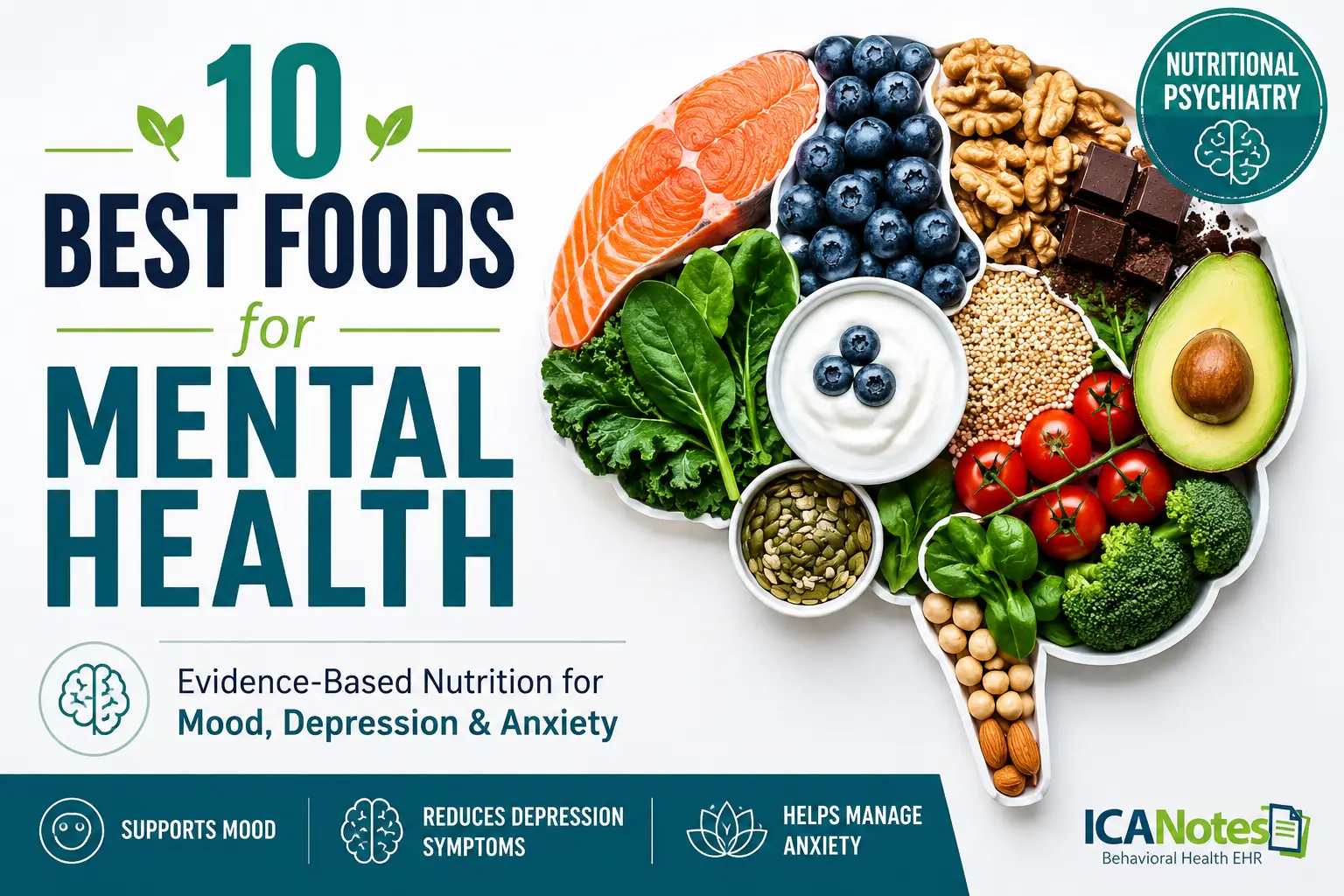
10 Best Foods for Mental Health and Mood Support: A Family Guide
At Sidra Family Hospital (SFH), we believe that a healthy mind begins on your plate. Your brain is a high-performance engine that requires premium fuel to function optimally. Research in “Nutritional Psychiatry” has shown a direct link between what we eat and how we feel, suggesting that specific foods for mental health can naturally regulate mood and build resilience against daily stress.
Whether you are managing academic pressure for your children or balancing a demanding career, the nutrients you consume act as the building blocks for neurotransmitters like serotonin and dopamine. Let’s explore how your family can use nutrition to foster a calmer, happier home.
The Translation: Understanding Nutritional Psychiatry
In medical terms, the “gut-brain axis” refers to the constant communication between your digestive system and your brain. When we talk about foods for mental health, we are referring to nutrients that reduce inflammation in the brain and support “good” bacteria in the gut.
For example, approximately 95% of your serotonin—the hormone that regulates sleep, appetite, and mood—is produced in your gastrointestinal tract. A diet high in processed sugars causes “oxidative stress,” which can impair brain function and worsen symptoms of mood disorders like depression and anxiety. By choosing nutrient-dense whole foods, you are essentially providing your brain with a protective shield against emotional instability.
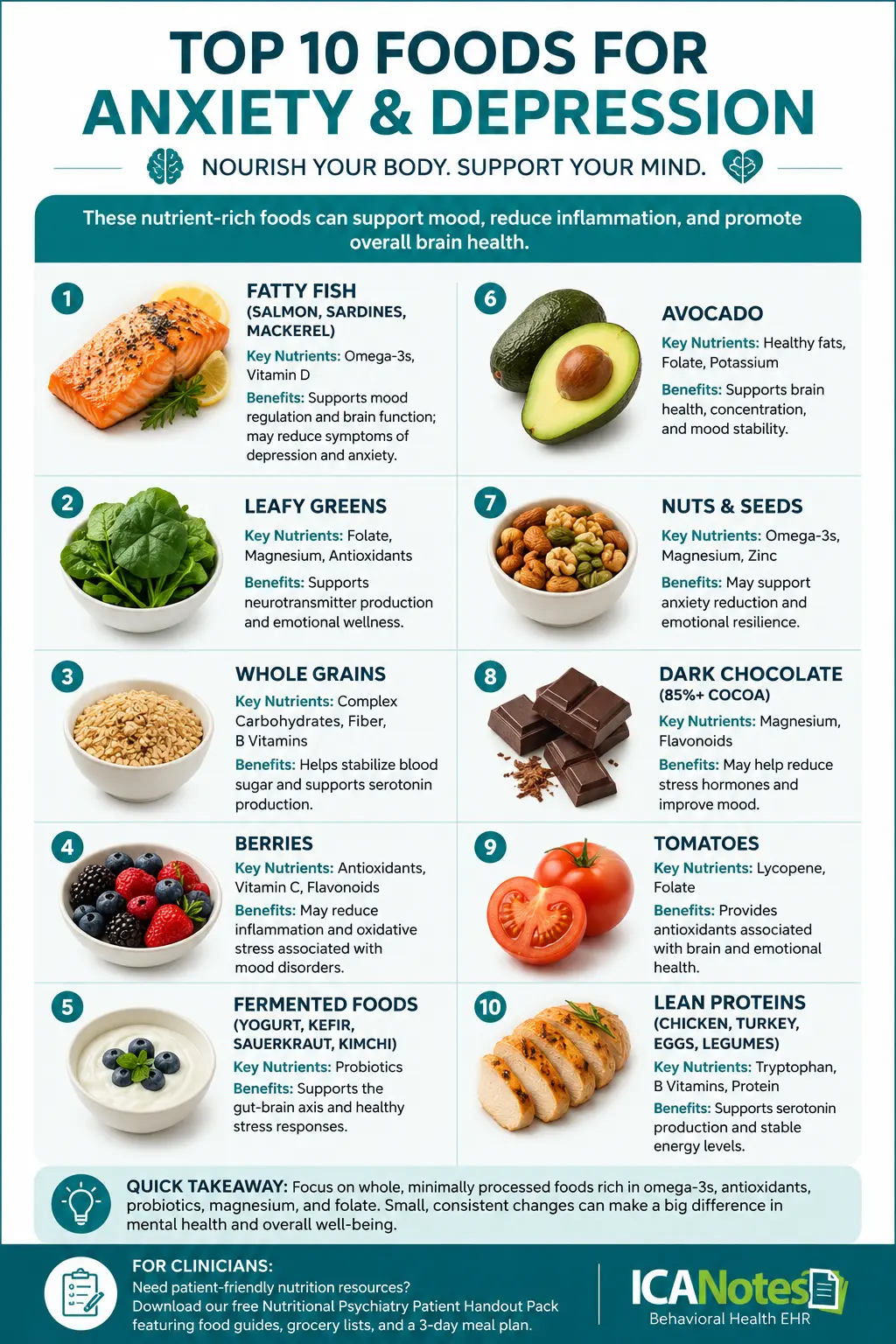
10 Essential Foods for Mental Health
- Salmon and Fatty Fish: Rich in Omega-3 fatty acids, these are essential for brain cell structure and reducing inflammation.
- Chicken and Lean Proteins: These contain tryptophan, an amino acid that the body uses to produce serotonin.
- Whole Grains: Foods like oats and brown rice provide steady energy, preventing the “sugar crashes” that lead to irritability.
- Avocados: Packed with healthy fats and Vitamin K, which help improve cognitive function and memory.
- Leafy Greens (Palak/Spinach): High in folate (Vitamin B9), which is crucial for preventing dopamine depletion.
- Yogurt and Fermented Foods: Probiotics support a healthy gut microbiome, which is directly linked to lower anxiety levels.
- Nuts and Seeds: Walnuts and flaxseeds are excellent plant-based sources of Omega-3s and magnesium.
- Berries: High in antioxidants, berries help repair cell damage and reduce the physical effects of stress.
- Tomatoes: These contain lycopene, an antioxidant that fights pro-inflammatory compounds linked to depression.
- Dark Chocolate: In moderation, dark chocolate improves blood flow to the brain and provides a quick mood boost through flavonoids.
The Socio-Economic Impact: Healthy Families in Pakistan
In the local Pakistani context, mental health is often overlooked due to cultural stigma. However, the socio-economic burden of untreated anxiety and depression affects productivity and family harmony. Families often rely on high-carb, sugar-heavy diets (like frequent tea with excess sugar or processed snacks) because they are convenient and affordable.
At Sidra Family Hospital, we see the ripple effect: poor nutrition leads to physical fatigue, which increases emotional irritability, eventually impacting the household’s overall stability. Transitioning to foods for mental health—such as incorporating local leafy greens (*palak*) and traditional yogurt (*dahi*)—is an affordable way to invest in your family’s long-term emotional resilience without a massive financial burden.

The Role of Natural Remedies: Peppermint Tea
In addition to solid foods, herbal infusions like Peppermint Leaf Tea (kahwa) play a vital role in mental wellness. At SFH, we often recommend peppermint tea as a naturally caffeine-free way to relax. The menthol in peppermint leaves acts as a natural muscle relaxant, which can alleviate the physical tension often associated with anxiety. Drinking a warm cup after dinner aids digestion and prepares the mind for restful sleep, further supporting mental health.
The Forward Path: Steps to Mental Wellness
Improving your family’s mental health doesn’t require an overnight lifestyle overhaul. Start with these practical steps:
- Swap the Snacks: Replace sugary biscuits with a handful of nuts or a piece of fruit.
- Hydrate Mindfully: Replace one cup of caffeinated tea with Peppermint tea to reduce jitteriness.
- Monitor the Spine: Remember that physical tension in the back often mirrors mental stress. Practice mindful breathing and gentle stretching daily.
- Consult the Experts: If you or a loved one is struggling with persistent low mood or anxiety, nutrition is only one piece of the puzzle.
Our dedicated Psychiatry and Nutrition departments at Sidra Family Hospital are here to help you develop a personalized plan. Whether it’s managing maternal stress or child behavioral health, we offer a “Family-First” approach to holistic healing.
Ready to take the next step? Visit Sidra Family Hospital for a comprehensive wellness consultation.
Frequently Asked Questions
Can diet alone cure depression?
While diet is a powerful tool for managing symptoms and improving brain health, it is most effective when used alongside professional clinical care and therapy.
What is the best “brain food” for children?
Eggs, whole grains, and berries are excellent choices for supporting focus and emotional stability in growing children.
What foods should be avoided for anxiety?
Limit high-caffeine drinks, sugary sodas, and highly processed fried foods, as these can trigger spikes in cortisol and blood sugar.