Best Calcium for Osteoporosis: Dr. Susan Brown’s Complete Guide | Sidra Family Hospital
At Sidra Family Hospital, we understand that lifelong bone strength is the bedrock of a healthy family. As we age, maintaining skeletal integrity becomes a priority, especially for the women who lead our households. Choosing the Best Calcium for Osteoporosis is not just about taking a pill; it is about understanding how nutrients work together to support your body.
The Translation: Understanding Osteoporosis in Simple Terms
Medical professionals often describe osteoporosis as a “silent disease.” In simple terms, think of your bones like the wooden framework of a house. Over time, if the wood becomes brittle or hollow, the entire structure is at risk of collapse.
Osteoporosis occurs when the body loses too much bone, makes too little bone, or both. This results in “porous bones” that are fragile and prone to fractures from even minor falls or, in serious cases, simple movements like sneezing. Identifying the Best Calcium for Osteoporosis early can help reinforce this framework before damage occurs.
How Much Calcium Do You Actually Need?
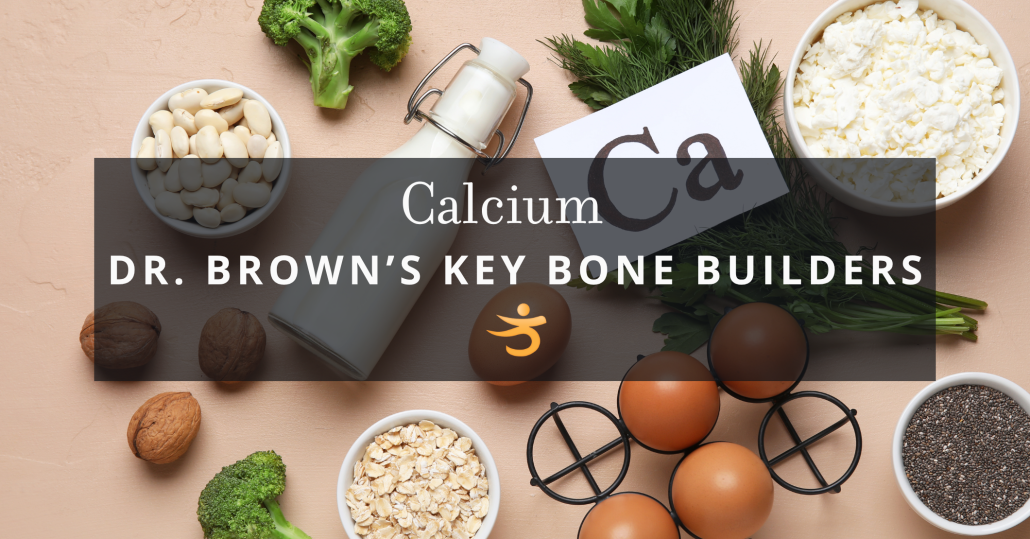
Dr. Susan Brown, a leading authority on bone health, emphasizes that more is not always better. For women over fifty, a daily intake of 1,000–1,200 mg is generally recommended. However, the source of this calcium matters more than the raw number.
At Sidra Family Hospital, our Nutrition department helps patients calculate their dietary intake first. We believe in “food first, supplements second.” If your diet provides 600 mg, you only need to supplement the remaining 400–600 mg to reach your goal.
Best Food Sources for Stronger Bones
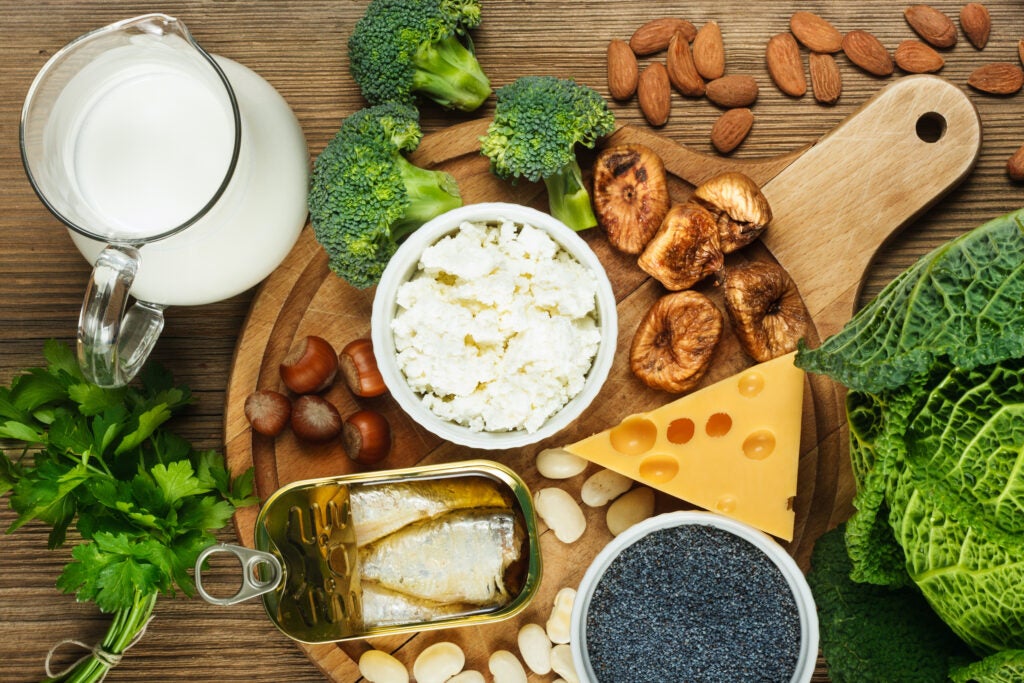
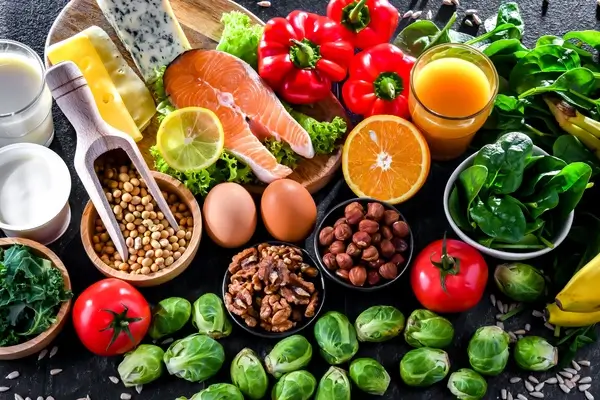
While dairy is a common source, many patients find it difficult to digest. Fortunately, nature provides numerous bioavailable alternatives. Leafy green vegetables, nuts, and seeds are excellent choices that provide calcium alongside other essential minerals.
In our local Pakistani context, we highly recommend traditional bone broth, known as Yakhni. It is a nutrient-dense powerhouse that supports not only bone density but also joint health and digestion. Incorporating these into daily family meals ensures everyone, from children to grandparents, builds a strong foundation.
What Is the Best Calcium Supplement for Osteoporosis?
If diet alone isn’t enough, supplements can fill the gap. However, not all supplements are created equal. The two most common forms are Calcium Carbonate and Calcium Citrate. At SFH, we frequently recommend Calcium Citrate as the Best Calcium for Osteoporosis for most patients.
Calcium Citrate is absorbed more easily by the body, even on an empty stomach. It is less likely to cause the bloating or constipation often associated with cheaper carbonate forms. Our Gynae and Nutrition experts provide personalized protocols to ensure your supplement choice aligns with your digestive health.
The Magnesium Connection: The Forgotten Powerhouse
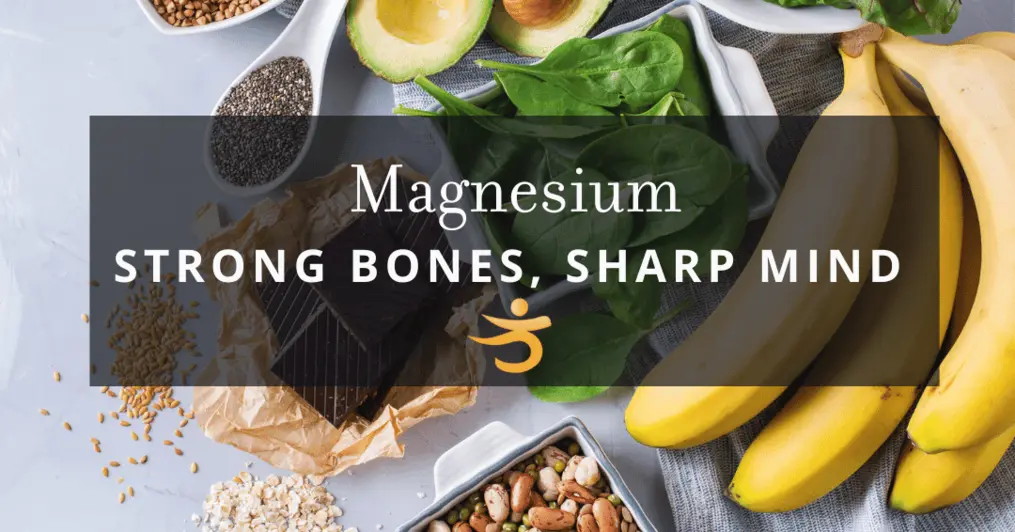
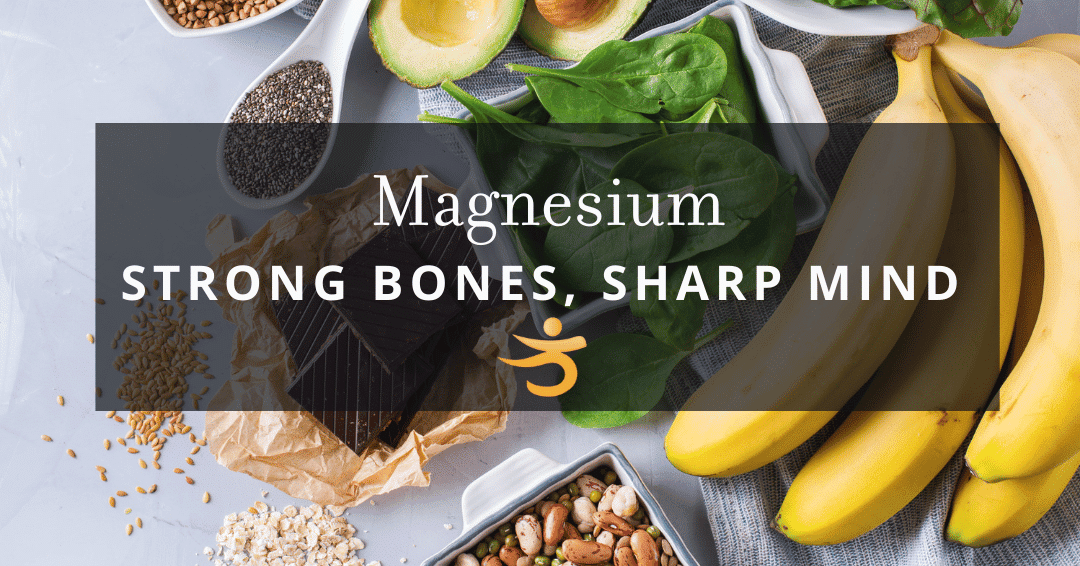
Calcium cannot do its job alone. Magnesium is a vital powerhouse for both bone strength and brain health, yet it is often overlooked. Magnesium is essential for converting Vitamin D into its active form, which in turn allows the body to absorb calcium.
Without adequate magnesium, calcium can actually build up in the soft tissues or arteries rather than the bones, which may pose risks to heart health. We recommend a balanced approach, often aiming for a 1:1 or 2:1 ratio of calcium to magnesium to ensure your family’s skeletal and neurological health remains resilient.
The Socio-Economic Impact: Bone Health in Pakistan
In Pakistan, bone health is a significant socio-economic concern. When an elder in the family suffers a hip fracture due to osteoporosis, the impact is felt by every member. The cost of surgery and long-term rehabilitation can be a heavy financial burden on middle-class families.
Furthermore, the “caregiver burden” often falls on younger family members, impacting their ability to work or study. By focusing on the Best Calcium for Osteoporosis and preventative screenings today, families can avoid the emotional and financial strain of preventable fractures tomorrow. Investing in bone health is an investment in the family’s collective future.
The Forward Path: Protecting Your Family’s Vitality
Taking control of your bone health starts with small, consistent steps. We recommend a three-pronged approach: balanced nutrition, regular weight-bearing exercise, and professional screening. Walking, climbing stairs, or simple resistance exercises help “signal” your bones to stay strong.
If you are over 50, or have a family history of fractures, it is time to visit Sidra Family Hospital. Our specialized departments offer DEXA scans and nutritional counseling to create a roadmap for your longevity. We are committed to your long-term well-being, ensuring you stay active and independent for years to come.
Ready to Choose the Best Calcium for Your Bones?
Don’t leave your health to chance. Consult with our experts to find the specific dosage and form of calcium that fits your lifestyle. At SFH, your health is always our top priority, ensuring strong, lasting foundations for your family’s bright future.