
After an Abnormal Mammogram: Navigating Your Journey to Wellness

Hearing that your mammogram results are “abnormal” can cause a wave of anxiety. At Sidra Family Hospital (SFH), we understand that for a woman, her health is the heartbeat of the family. A screening mammogram is the most powerful tool we have for the early detection of breast cancer, yet the journey often involves more than just a single scan.
Early detection remains the most vital tool in overcoming breast cancer. If a screening identifies an abnormality, securing an immediate diagnostic follow-up is essential to prevent dangerous treatment delays. We urge women, especially those aged 40 and above, to maintain regular screening schedules and prioritize medical facilities that ensure clear, expert pathways for secondary care.
The Translation: What an “Abnormal” Mammogram Really Means
In medical terms, an abnormal mammogram does not automatically mean cancer. In fact, many abnormalities turn out to be benign (non-cancerous). “Abnormal” simply indicates that the radiologist saw something on the X-ray that requires a closer look. This could be a dense area of tissue, a fluid-filled cyst, or small calcium deposits known as calcifications.
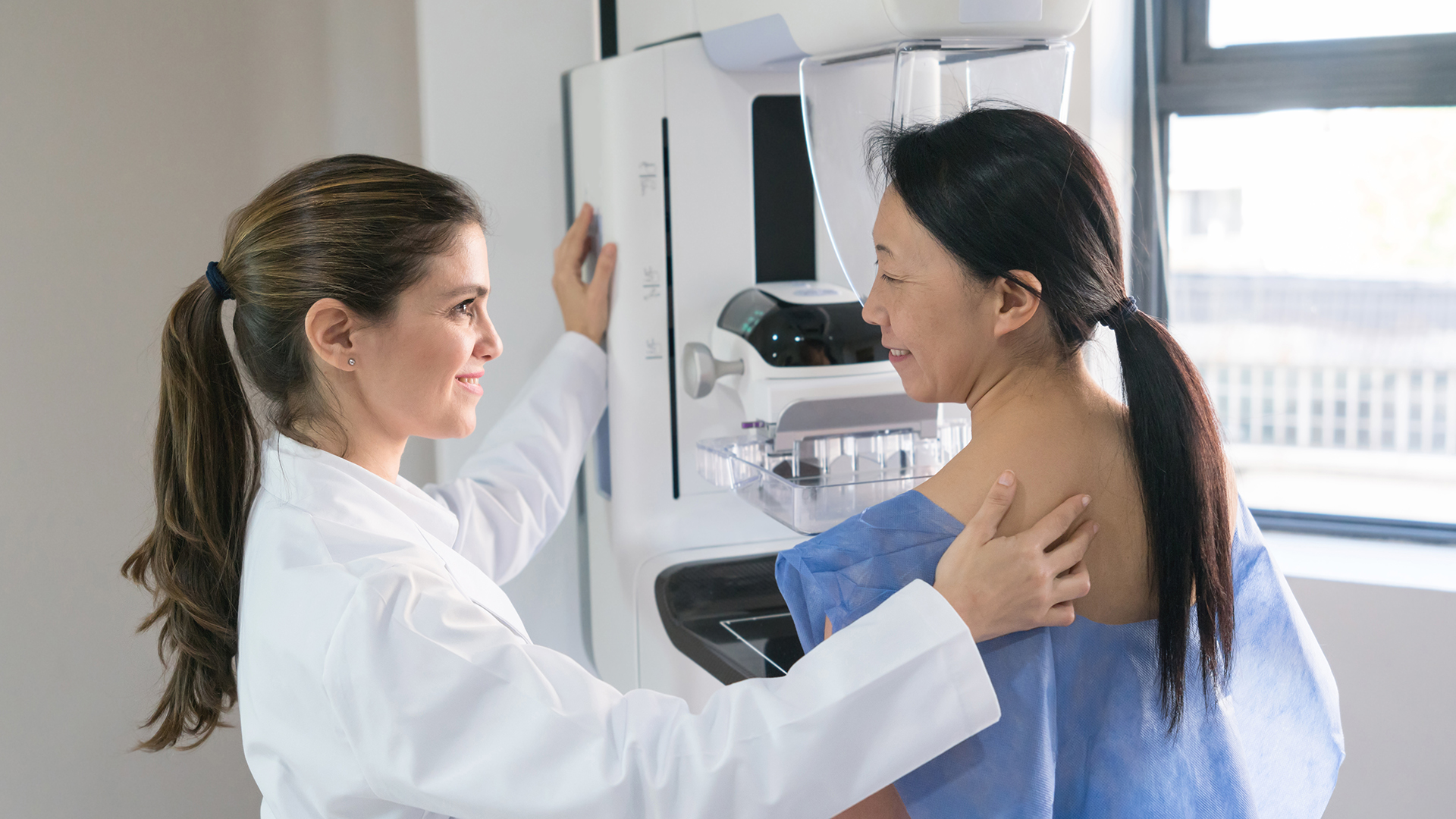
At Sidra Family Hospital, our Gynecology Department utilizes the BI-RADS (Breast Imaging-Reporting and Data System) to categorize findings. If you receive a call for follow-up, it often means we need diagnostic mammography—which involves taking more detailed images of a specific area—or a breast ultrasound to determine if a mass is solid or liquid.
Preparing for Your Screening
To ensure the most accurate results and a comfortable experience, we recommend scheduling your appointment outside of your menstrual cycle to avoid breast tenderness. Please refrain from wearing deodorants, powders, or lotions on the day of your visit, as these contain metallic particles that can appear as white spots on the image, potentially triggering a false “abnormal” result.
Our compassionate specialists are here to guide you through the process, whether you require a standard screening or advanced 3D mammography. We encourage open communication; share any concerns or history of lumps with our expert team before the procedure begins.
The Socio-Economic Impact: Protecting the Pakistani Family
In our local context, a woman is often the primary caregiver, the emotional anchor, and the manager of the household. When a mother or daughter faces a health scare, the impact ripples through the entire family. Financial barriers and social stigmas sometimes lead women to delay follow-up care after an abnormal mammogram. However, delaying care increases clinical risks and can lead to more expensive, intensive treatments later.

At Sidra Family Hospital, we are dedicated to eliminating diagnostic barriers. We recognize that nearly 85% of breast cancer cases occur in women with no family history, making regular screening a community-wide necessity rather than a personal choice. By providing integrated services, we ensure that families do not have to navigate a fragmented healthcare system during a time of crisis.
Beyond Mammography: When is a Breast MRI Recommended?
For some women, a standard mammogram may not provide the full picture. Our Gynecology department may recommend a breast MRI for a more comprehensive evaluation, especially for those with dense breast tissue or a high genetic risk (such as BRCA mutations). This radiation-free imaging provides exceptional detail, helping identify tiny abnormalities that standard X-rays might miss.
We encourage our patients to discuss their risk profiles with our experts to determine if this specialized scan is a necessary addition to their wellness plan. Personalized screening plans are at the heart of our “Family-First” philosophy.

The Forward Path: Your Steps at Sidra Family Hospital
If you have received an abnormal result, the first step is to stay calm and schedule your diagnostic follow-up immediately. At SFH, we prioritize your peace of mind by offering streamlined appointments and clear communication. Our specialized consultants are trained to provide a compassionate environment where your long-term wellness is the priority.
- Step 1: Contact our Gynecology Department to review your screening report.
- Step 2: Schedule diagnostic imaging (Advanced 3D Mammography or Ultrasound).
- Step 3: Meet with our specialists to discuss the findings and formulate a personalized care plan.
Do not let logistical hurdles or fear delay your care. Trust Sidra Family Hospital to provide the clinical excellence and empathy you deserve. We are here to protect the health of our community’s mothers and daughters with authoritative, expert care.