After an Abnormal Mammogram: A Battle for Care and Clarity
After an Abnormal Mammogram: Navigating Your Path to Care
Early detection is the most powerful tool we have in the fight against breast cancer. However, for many women, the journey does not end with a routine screening; it often begins with a phone call explaining that their results were “abnormal.” At Sidra Family Hospital (SFH), we understand that an abnormal mammogram result is deeply stressful for you and your loved ones.
The period following an abnormal finding should be a time of rapid clarity, not administrative confusion. Unfortunately, many patients face a “battle for care”—navigating rejected images, scheduling delays, and fragmented communication between facilities. Our mission is to remove these barriers, providing a seamless, “family-first” diagnostic experience.
The Translation: What Does an “Abnormal” Result Mean?
Hearing the word “abnormal” can be frightening, but it is important to understand that it is not a diagnosis of cancer. In medical terms, an abnormal mammogram simply means the radiologist saw something that requires a closer look. This could be a variety of non-cancerous findings.
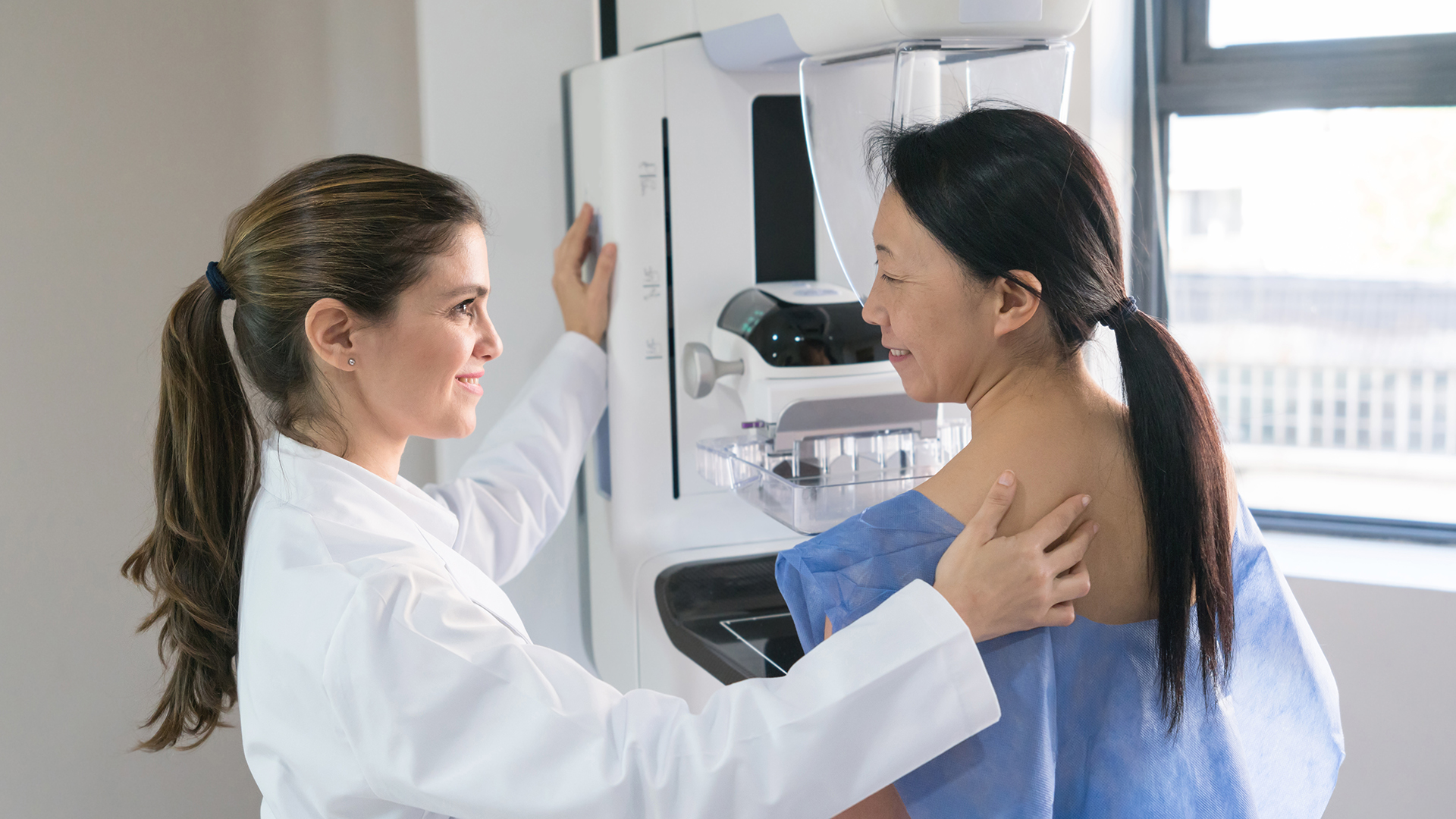
Common reasons for an abnormal result include dense breast tissue, which can hide small details, or the presence of benign (non-cancerous) cysts and calcifications. In some cases, the “abnormality” is merely a shadow caused by the way the breast was positioned during the initial scan. At Sidra Family Hospital, our specialists use advanced 3D mammography to reduce these “false alarms” and provide the most accurate imaging possible.
The Socio-Economic Impact: Breast Health in Our Community
In the local Pakistani context, a health concern for a mother, daughter, or sister impacts the entire family unit. Women are often the primary caregivers, and their health is the foundation of the home. When a woman faces an abnormal mammogram, the socio-economic repercussions can be significant if care is delayed.
Administrative hurdles—such as difficulty transferring images between clinics or long waiting lists for diagnostic follow-ups—can lead to “care paralysis.” For families, this means increased anxiety and potential loss of income due to multiple, redundant appointments. Furthermore, cultural stigmas surrounding breast health can sometimes prevent women from seeking immediate care. We strive to break these barriers by offering a supportive, private, and empathetic environment where every woman feels respected and prioritized.
The High Cost of Delay
Research shows that delays in diagnostic follow-ups can lead to more aggressive treatment requirements later. When care is fragmented, patients are at risk of “falling through the cracks.” At SFH, we advocate for integrated care models where screening, diagnostic imaging, and specialist consultations happen under one roof to ensure no time is wasted.
What to Expect During Your Follow-Up
If your initial screening requires a second look, your physician will typically recommend a diagnostic mammogram or a breast ultrasound. Unlike a screening mammogram, a diagnostic mammogram involves more images and allows the technologist to focus specifically on the area of concern.
To prepare for these appointments, we recommend the following:
- Avoid Deodorants: On the day of your scan, do not use deodorants, powders, or lotions, as these can appear as white spots on the image.
- Bring Previous Images: If you had your initial screening elsewhere, ensure those images are available for our radiologists to compare. Comparison is the best way to see if a finding is new or has been there for years.
- Schedule Wisely: If possible, schedule your follow-up for the week after your menstrual cycle to minimize breast tenderness.
When a Breast MRI is Recommended
For some women, especially those with very dense breast tissue or a high family risk, a Breast MRI may be recommended. This is a radiation-free imaging tool that provides highly detailed, cross-sectional views of the breast tissue. It is an excellent secondary tool to help our Gynecology Department rule out concerns with high precision.

The Forward Path: Protecting Your Family’s Future
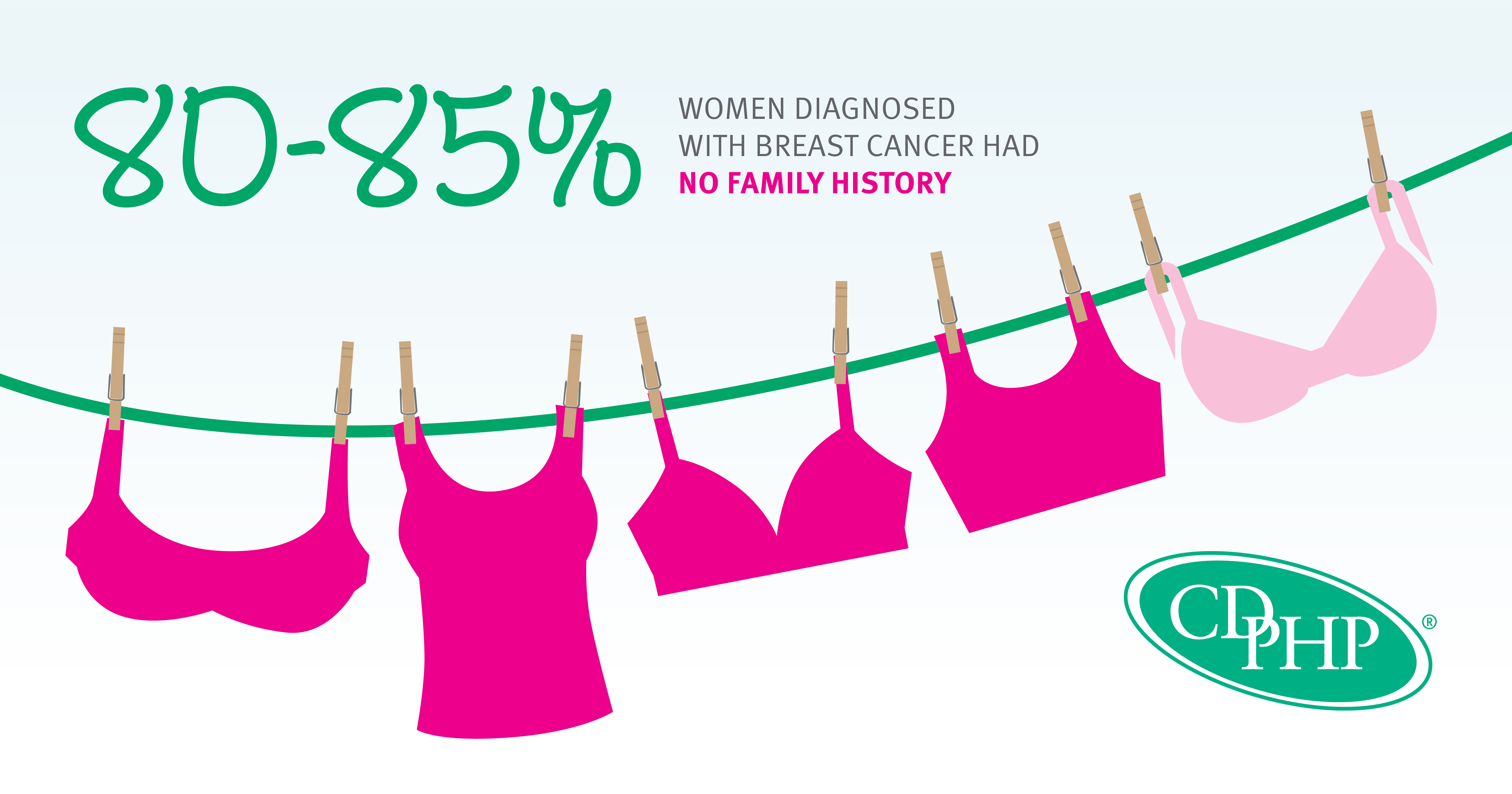
Proactive screening is an act of love for yourself and your family. We recommend that women begin regular mammograms at age 40, or earlier if there is a family history of breast cancer. Remember, 85% of breast cancer cases occur in women with no prior family history, making regular professional screening essential for everyone.
At Sidra Family Hospital, we are committed to being your partner in this journey. If you have received an abnormal result elsewhere and are struggling to find timely, coordinated care, our doors are open. We prioritize quick turnarounds for diagnostic imaging and provide direct access to our expert gynecologists for immediate consultation.
Take Control of Your Health Today
Don’t let administrative battles or fear stand in the way of your wellness. Whether it is your first mammogram or a necessary follow-up, SFH provides the expertise and compassion you deserve. Your health and peace of mind are our absolute priority.
Contact Sidra Family Hospital today to schedule your consultation or diagnostic imaging. Together, we can ensure a healthier future for you and your family.