Revitalizing Rural Maternity Care: Plumas Hospital’s Innovative Birth Center Solution
Revitalizing Rural Maternity Care: Plumas Hospital’s Innovative Birth Center Solution
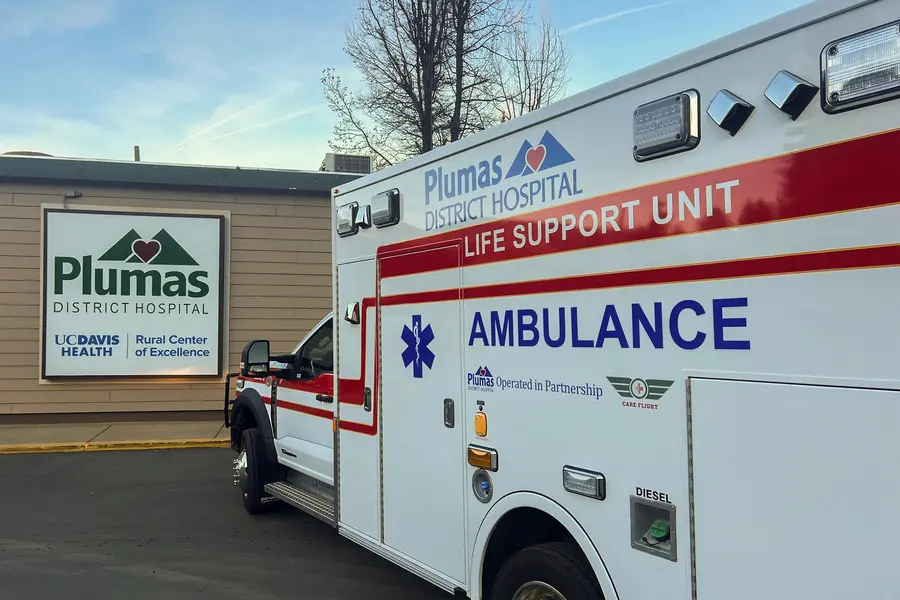
Rural communities across California have faced a critical decline in maternity services, leaving expectant mothers with limited or no local options. The closure of birth centers, often due to high operational costs and low birth rates, has created a significant healthcare gap. This issue came to a head in Plumas County, where Plumas District Hospital closed its maternity ward in 2022.

A new era for rural birthing services begins with Plumas District Hospital’s innovative approach.
The Translation: Pioneering Legislation for Accessible Birthing
Plumas District Hospital spearheaded a new California law designed to address the challenges of rural maternity care. This landmark legislation allows for the establishment of “standby” maternity units and offers relaxed licensing requirements for birth centers. This innovative framework is a direct response to the urgent need for local birthing options, particularly highlighted by incidents where mothers were forced to deliver en route to distant facilities.
The new law acknowledges that traditional, full-service maternity wards are often economically unviable in areas with sparse populations. By creating a more flexible regulatory environment, it enables smaller hospitals to offer essential birthing services without the prohibitive overheads.
The Socio-Economic Impact: Ensuring Safer Births in Remote Regions
The implications of this legislative shift are profound, especially for remote and underserved areas. In many developing regions, including parts of Pakistan, access to safe and nearby birthing facilities remains a significant challenge. The “standby” maternity unit model, along with more accessible birth centers, offers a potential blueprint for improving maternal health outcomes in similar contexts.
Ensuring local access to birthing services reduces travel time, which is a major factor in maternal and infant mortality rates in rural settings. This initiative fosters community well-being by providing expectant parents with peace of mind and the opportunity for safer, more dignified birth experiences close to home. It also mitigates the socio-economic strain on families who would otherwise incur significant travel and accommodation costs.

The Forward Path: A Model for Sustainable Rural Maternity Care
Next year, Plumas District Hospital plans to operationalize both a new birth center and a standby maternity ward. This dual approach will provide local, qualified women with options for natural births, catering to a growing community preference for such experiences, as evidenced by an increase in home deliveries.
This model could serve as a vital blueprint for other rural hospitals striving to maintain essential services. The expert verdict is clear: sustainable solutions for rural maternity care require innovative policy and adaptable healthcare models. By embracing this forward path, communities can ensure that safe, accessible, and high-quality birthing services remain within reach, reinforcing the health infrastructure of remote areas.