Empowering Women: Navigating Lower Urinary Tract Symptoms and Nocturia
Empowering Women: Navigating Lower Urinary Tract Symptoms and Nocturia
At Sidra Family Hospital, we understand that changes in urinary health can significantly impact your daily life and overall well-being. Especially for women, Lower Urinary Tract Symptoms (LUTS), such as frequent urges, reduced bladder control, or even incontinence, are common as we age. These issues can profoundly affect comfort and confidence.
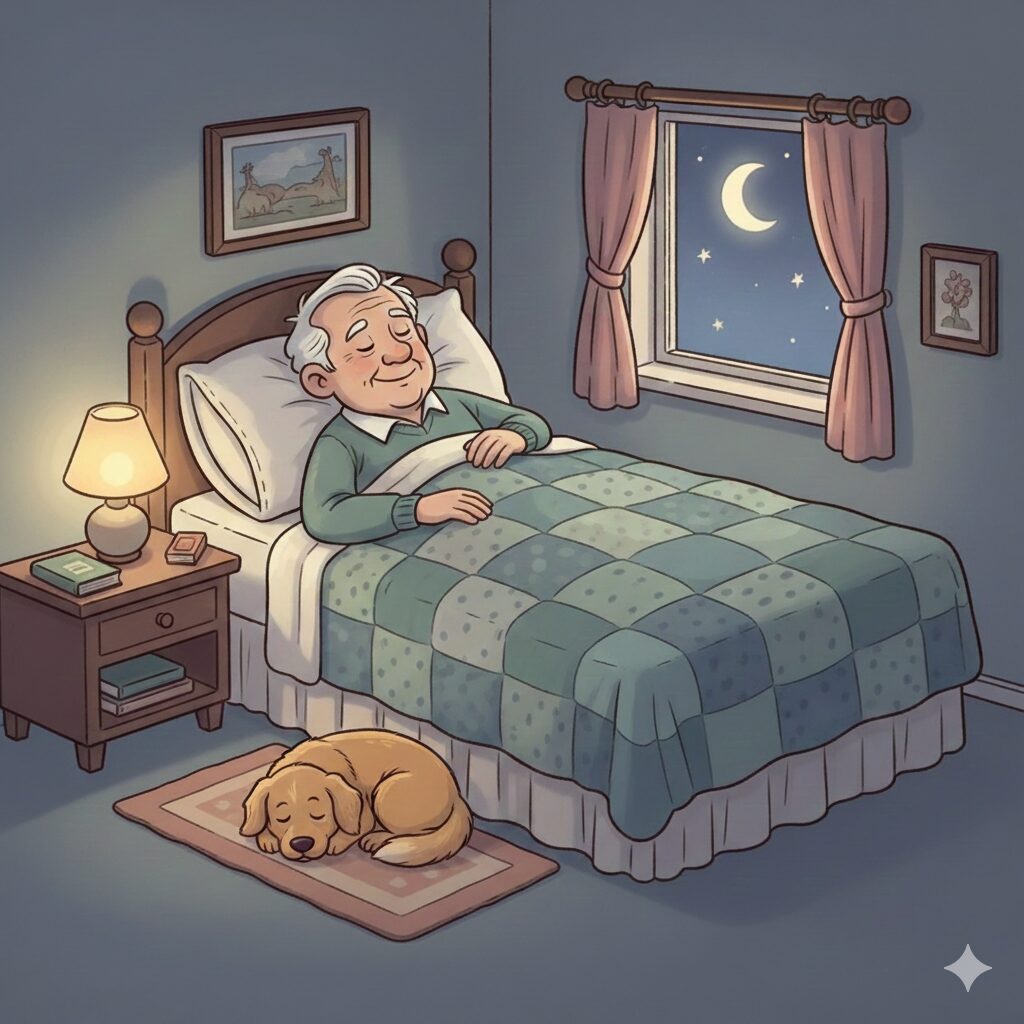
When symptoms extend into the night, leading to frequent nighttime urination or Nocturia, they severely disrupt sleep and diminish quality of life. Waking up two or more times a night is more than an inconvenience; it often signals an underlying issue that deserves attention. Our dedicated team at Sidra Family Hospital provides compassionate, expert care, ensuring you receive the support and effective solutions needed for a healthier, more comfortable life.
The Translation: Understanding Lower Urinary Tract Symptoms and Nocturia
What Are Lower Urinary Tract Symptoms (LUTS)?
LUTS encompass a range of bothersome issues affecting the bladder and urethra. These can manifest as a sudden, strong urge to urinate (urgency), needing to urinate more often than usual (frequency), or experiencing involuntary leakage of urine (incontinence). While often associated with aging, these symptoms are not inevitable. They can profoundly impact daily activities and emotional well-being. Understanding these symptoms is the first step towards regaining control and comfort.
Decoding Nocturia: Why You Wake Up at Night
Nocturia, the medical term for waking up frequently during the night to urinate, can be particularly draining. Beyond annoyance, it interrupts vital sleep cycles, leading to fatigue and diminished quality of life. The causes are varied, requiring thorough assessment to pinpoint the exact issue. Our specialists delve deep to understand the contributing factors.
1. Producing Too Much Urine at Night (Nocturnal Polyuria)
Sometimes, your body produces an excessive amount of urine during sleeping hours. This can be due to hormonal imbalances, certain heart conditions, or kidney issues. Identifying this overproduction is crucial for targeted treatment.
2. Bladder Storage Problems
An overactive bladder, reduced bladder capacity, or inflammation of the bladder lining can all contribute to the frequent need to urinate, even when the bladder is not full. These issues affect the bladder’s ability to hold urine comfortably.
3. Lifestyle Factors and Other Health Conditions
Lifestyle choices play a significant role. Excessive fluid intake, especially caffeine or alcohol, before bed can worsen symptoms. Additionally, certain medications, diabetes, sleep apnea, or heart failure can all be underlying causes. A comprehensive review of your health and habits helps us determine the best path forward.

The Socio-Economic Impact: A Family-First Approach in Pakistan
In Pakistan, health concerns are deeply intertwined with family and community values. For women experiencing LUTS or Nocturia, these conditions can carry a hidden burden of social stigma, leading many to suffer in silence. This reluctance can delay crucial diagnosis and treatment, exacerbating symptoms and profoundly affecting daily life.
The constant worry about accidents, disrupted sleep, and the need for frequent bathroom breaks can limit participation in social events, family gatherings, and even professional life. The cumulative effect of interrupted sleep impacts not just the individual, but also family dynamics, as caregivers may also experience disrupted rest.
At Sidra Family Hospital, we embrace a ‘Family-First’ philosophy. We understand that a woman’s health impacts her entire family. We foster an environment where open discussion is encouraged, ensuring every patient feels respected, understood, and empowered. Our goal is not just to treat symptoms, but to restore confidence and quality of life for both the individual and their family.

The Forward Path: Steps Towards Better Bladder Health at Sidra Family Hospital
Proactive Lifestyle Choices
Taking proactive steps is crucial for maintaining bladder health and preventing symptom escalation. Simple yet effective lifestyle adjustments make a significant difference. Prioritize a balanced diet rich in fiber and lean proteins, and engage in regular physical activity. Manage your fluid intake, especially in the evenings, by reducing liquids a few hours before bedtime. Avoiding irritants like excessive caffeine and alcohol before sleep can dramatically reduce nighttime urination. Our specialists guide you through these changes, offering personalized advice to empower you to take charge of your bladder health.
When to Seek Expert Care: Your Journey with Sidra Family Hospital
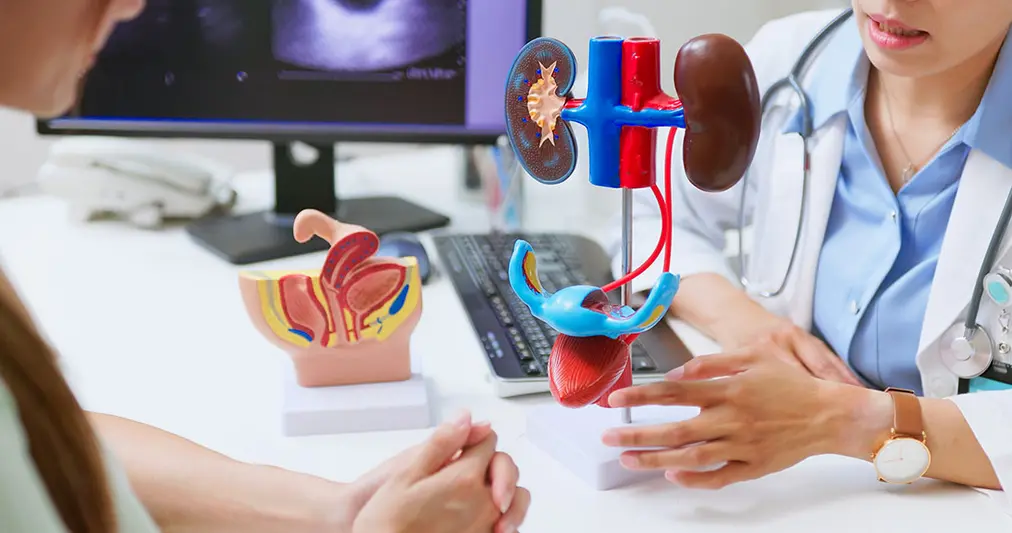
Do not let urinary symptoms diminish your quality of life. We strongly advocate for early consultation with your doctor. At Sidra Family Hospital, our journey with you begins with a comprehensive diagnostic process. Our expert Gynecology specialists utilize advanced techniques to accurately pinpoint the underlying causes of your symptoms, whether from age-related changes, an overactive bladder, or other health conditions.
From this diagnosis, we craft a personalized action plan. This might start with simple changes, such as tailored dietary advice or bladder retraining exercises, and can progress to advanced medical treatments when necessary. Our compassionate team guides you every step, ensuring you receive the most effective and supportive care possible. With Sidra Family Hospital, you can look forward to restful nights and a renewed sense of well-being.

Conclusion
At Sidra Family Hospital, your comfort and health are our priority. We believe no one should have to live with the discomfort and disruption caused by Lower Urinary Tract Symptoms and Nocturia. By combining expert medical care with a compassionate, Family-First approach, we empower you to reclaim control over your bladder health and enjoy a life of greater comfort and dignity. Don’t wait; reach out to our Gynecology department today and take the first step towards a healthier, happier you.