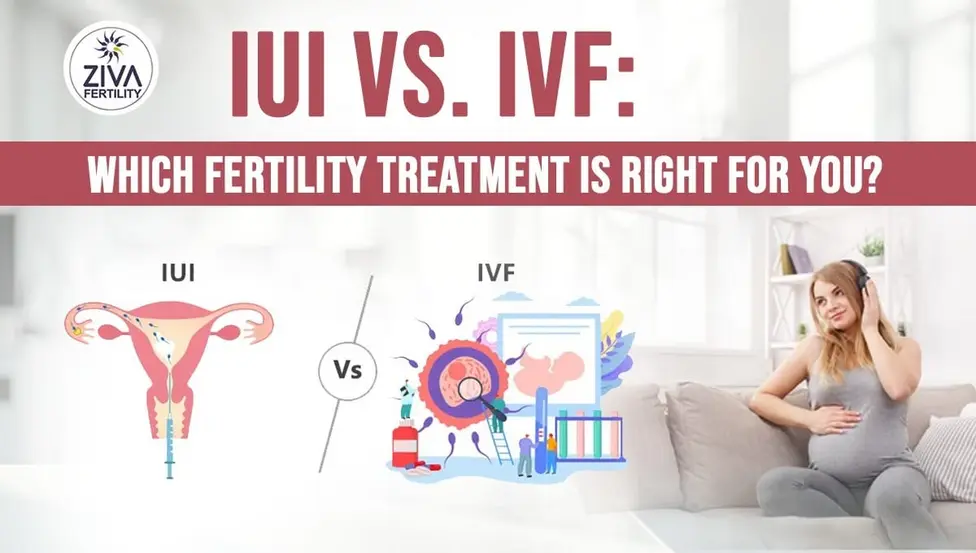
A Guide to Choosing Between IUI & IVF at Fertility Centers: Uncover the Difference Now
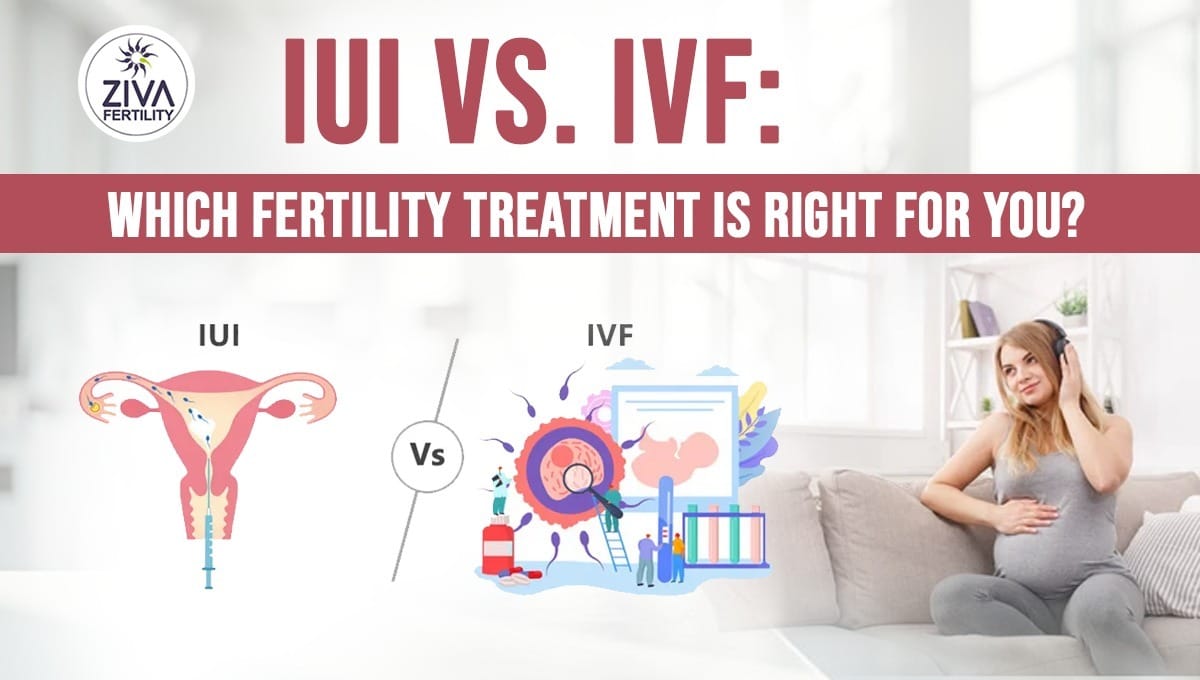
The journey to parenthood is a sacred one, particularly in Pakistan, where children are often described as the “light of the home.” However, for many couples, the road to conceiving is not always straightforward. When natural conception takes longer than expected, modern medicine offers two primary paths: Intrauterine Insemination (IUI) and In Vitro Fertilization (IVF). At Sidra Family Hospital, we understand the emotional weight of these decisions and are committed to guiding you through the technical differences of IUI vs IVF with clarity and compassion.
The Translation: Understanding IUI vs IVF in Simple Terms
To many, medical jargon can feel like a foreign language. Let’s translate these procedures into everyday terms. Think of IUI as a “gentle nudge” or a helping hand. It is a procedure that assists the body’s natural process by shortening the journey the sperm must take to meet the egg. In contrast, IVF is a “high-tech laboratory solution.” It involves combining the egg and sperm outside the body in a controlled environment to ensure fertilization occurs before placing the resulting embryo back into the mother’s womb.
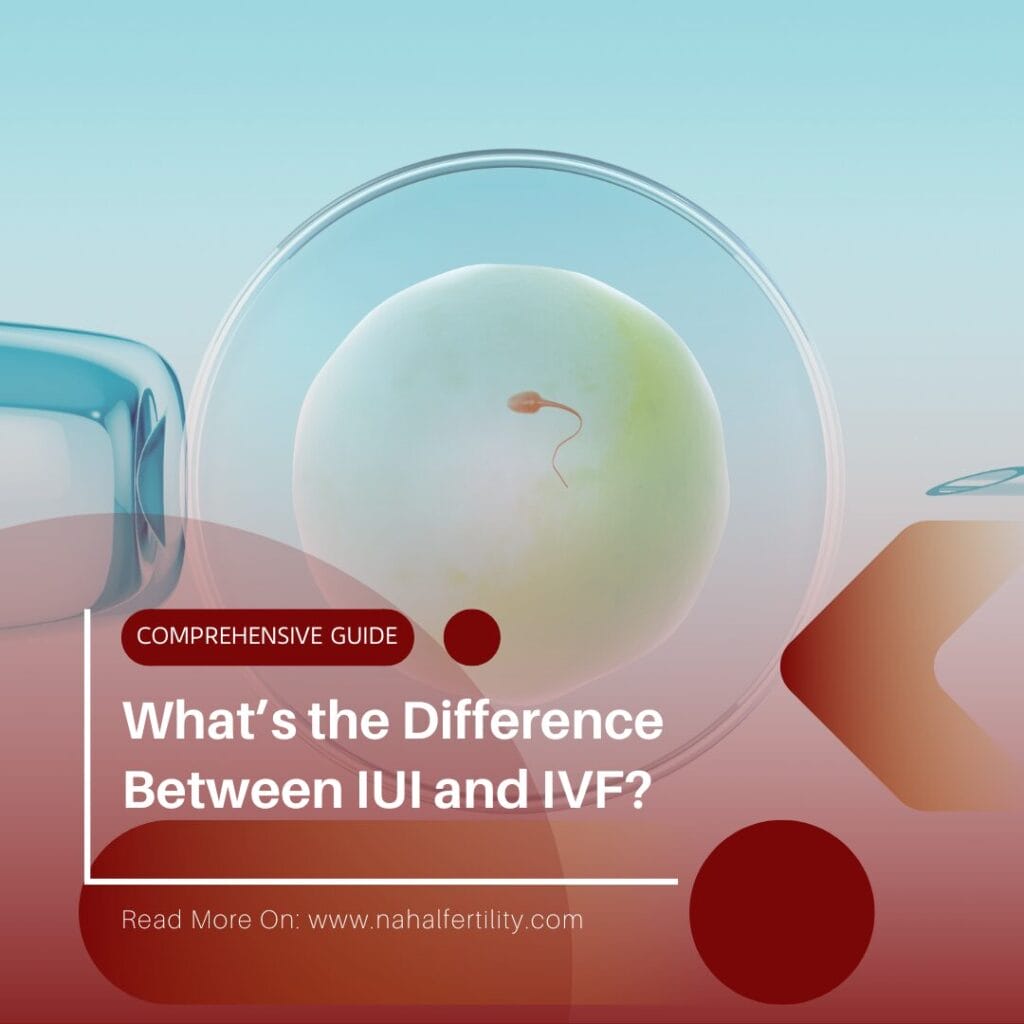
While both treatments fall under the umbrella of Assisted Reproductive Technology (ART), the fundamental difference in IUI vs IVF lies in where fertilization happens. In IUI, it happens inside the woman’s body. In IVF, it happens in a specialized laboratory.
What is Intrauterine Insemination (IUI)?
IUI is often the first step recommended for couples dealing with minor fertility hurdles. The process is relatively simple and less invasive than other treatments. First, the male partner provides a sperm sample, which is “washed” in a lab to concentrate the healthiest, most active sperm. This concentrated sample is then placed directly into the woman’s uterus using a thin catheter during her most fertile window.
This method is ideal for couples facing mild male-factor infertility, cervical issues, or unexplained infertility. Because it requires fewer medications and no surgical intervention, it is often preferred by those looking for a more “natural” feeling intervention.
What is In Vitro Fertilization (IVF)?
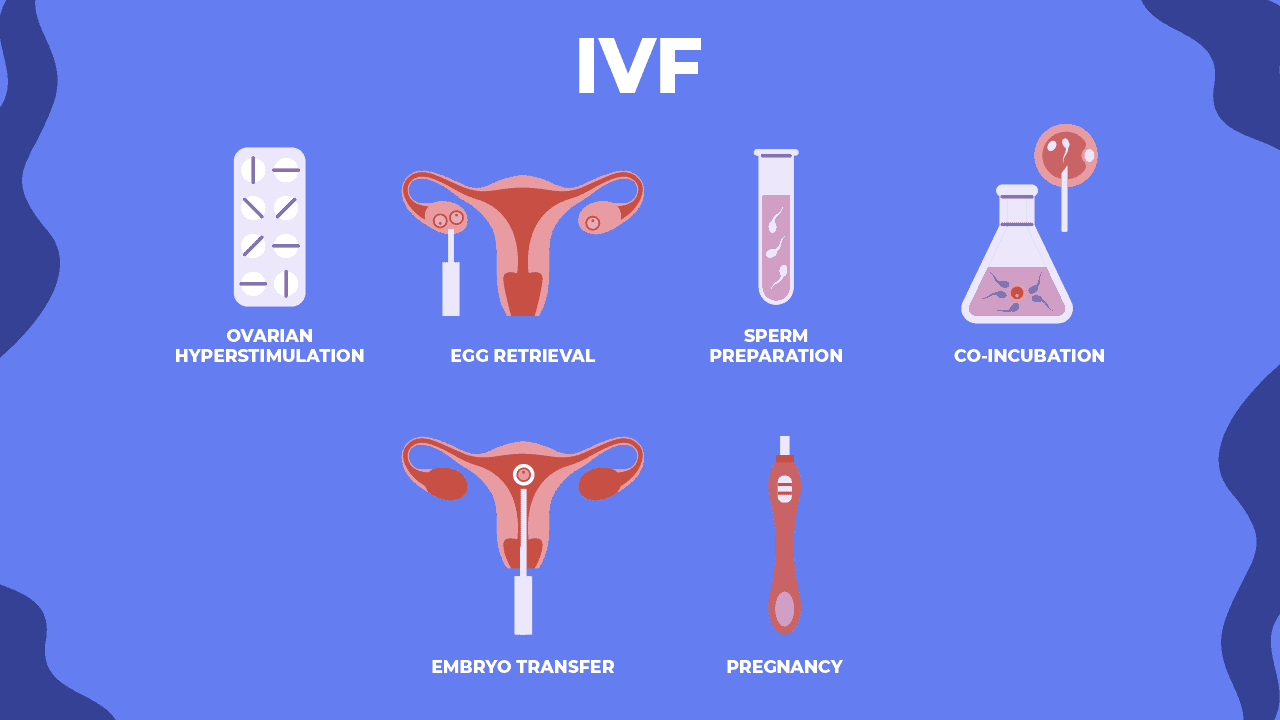
IVF is a more comprehensive and complex procedure. It is generally recommended when IUI has not been successful or when there are more significant medical challenges, such as blocked fallopian tubes, severe endometriosis, or advanced maternal age. The process involves several stages: ovarian stimulation via hormones, egg retrieval (a minor surgical procedure), fertilization in a laboratory setting, and finally, embryo transfer.
When comparing IUI vs IVF, the latter offers much higher success rates because it bypasses many of the hurdles that can prevent natural conception, such as difficulty with sperm-egg interaction or tubal blockages. It also allows for genetic testing of embryos, ensuring the healthiest start for your future child.
The Socio-Economic Impact: Navigating Fertility in Pakistan
In Pakistan, infertility is not just a medical condition; it is a profound socio-economic challenge. The cultural emphasis on the “Khandan” (family lineage) can place immense pressure on young couples. This pressure often leads to stress, which can further complicate fertility health. Furthermore, the financial aspect of IUI vs IVF is a significant consideration for most Pakistani families.
IUI is significantly more affordable, making it accessible to a wider range of families. However, while IVF has a higher upfront cost, its higher success rate per cycle means it may actually be more cost-effective in the long run for certain patients. At Sidra Family Hospital, we believe in transparent pricing and counseling to help families manage the financial and emotional burden of fertility care without compromising on quality.
IUI vs IVF: Success Rates and Expectations
Success rates are a critical factor in your decision. Generally, IUI success rates hover around 10% to 20% per cycle, depending on the age and health of the couple. Because it is less intensive, couples often undergo 3 to 6 cycles of IUI before moving to other options.
On the other hand, IVF success rates are substantially higher, often exceeding 50% for younger women. When choosing between IUI vs IVF, your fertility specialist will analyze your hormonal profile, age, and previous medical history to predict which method offers the highest probability of a healthy pregnancy.
The Forward Path: Practical Steps at Sidra Family Hospital
Deciding between IUI vs IVF doesn’t have to be a solitary burden. The first step on your forward path is a comprehensive fertility evaluation. This includes hormone testing, an HSG (to check for tubal blockages), and a semen analysis for the male partner. At Sidra Family Hospital, we prioritize a “Family-First” diagnosis, looking at both partners to find the most efficient and least stressful route to parenthood.
If you have been trying to conceive for over a year (or six months if over age 35), it is time to visit our specialist Gynecology department. We focus on lifestyle modifications, nutritional support, and clinical excellence to ensure your body is in the best possible state to welcome a new life.
Conclusion: Your Dream of Family Starts Here
Whether you choose the gentle assistance of IUI or the advanced capabilities of IVF, your journey is valid and supported. The choice between IUI vs IVF is deeply personal, influenced by medical necessity, financial readiness, and emotional comfort. At Sidra Family Hospital, we are more than just a medical facility; we are your partners in building your family. Your dream of holding your baby is our primary mission, and we are here to provide the expert care and deep compassion you deserve.