
Still Sick After Lyme Treatment? Symptoms of PTLDS and Your Path to Recovery
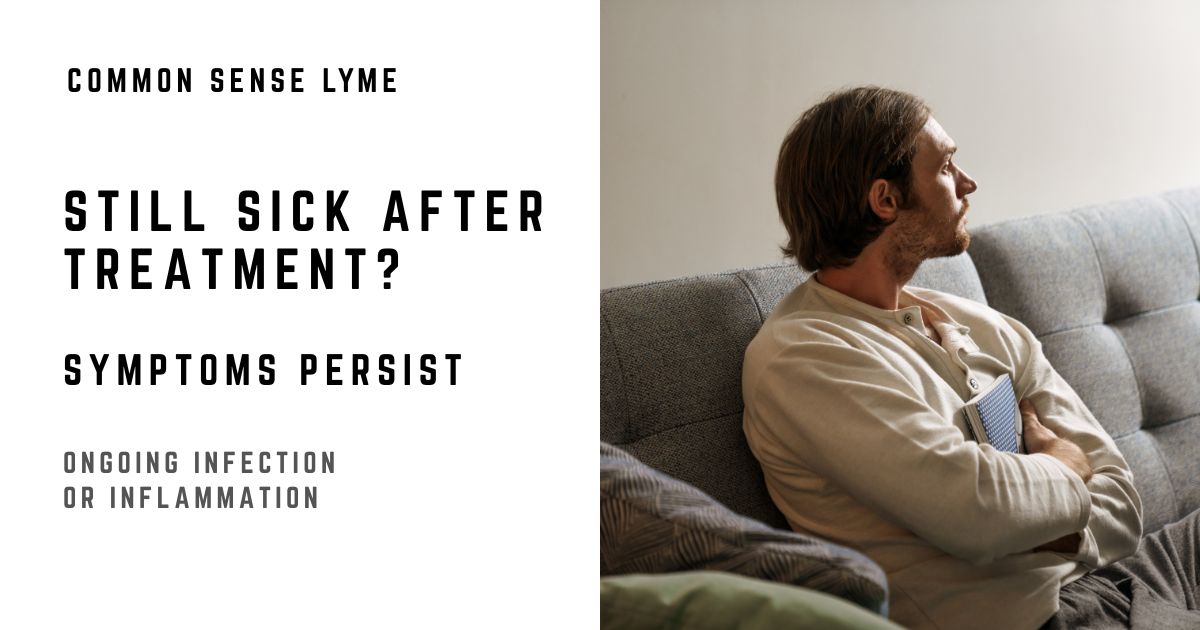
Still Sick After Lyme Treatment? Navigating the Symptoms of PTLDS
For many families, the completion of an antibiotic course for Lyme disease feels like reaching the finish line. However, for a significant number of patients, the “finish line” remains elusive. If you or a family member are still struggling with persistent fatigue, joint pain, or cognitive issues, you are not alone. These lingering issues are often classified as Post-Treatment Lyme Disease Syndrome (PTLDS).
At Sidra Family Hospital, we recognize that “normal” laboratory results do not always reflect your true physical function. We prioritize your lived experience over a checklist of test results, ensuring that our family-first approach guides your recovery.
The Translation: Understanding the Symptoms of PTLDS
What exactly is PTLDS? In simple terms, it is a condition where the symptoms of Lyme disease persist for six months or longer after finishing the standard antibiotic treatment. Think of it as a lingering biological “echo” or an inflammatory response that hasn’t quite quieted down.
The Symptoms of PTLDS are often dismissed by those who rely solely on blood work. Because the initial infection has been “treated” according to standard protocols, some practitioners may overlook the neurological and sensory dysfunction that remains. In our clinic, we translate these complex medical signs into actionable care, focusing on how these symptoms impact your daily life.
Why Standard Tests Often Miss the Symptoms of PTLDS
One of the most frustrating aspects for patients is being told their “labs are clear” while they can barely get out of bed. Standard diagnostic tools are designed to detect active bacterial presence or specific antibody levels. They are not always sensitive enough to measure the chronic inflammation or autonomic nervous system changes that characterize PTLDS.

When the body remains in a state of high alert, patients experience sensory overload and physical exhaustion. This is why a comprehensive evaluation at Sidra Family Hospital is vital. We look beyond the surface to understand the underlying dysfunction affecting your quality of life.
The 19 Symptoms of PTLDS to Monitor
Clinical research has identified a cluster of 19 specific symptoms that patients frequently report. Monitoring these can help your physician at SFH develop a more targeted treatment plan. These symptoms include:
- Severe fatigue (thakawat) that does not improve with rest.
- Cognitive impairment, often described as “brain fog.”
- Persistent joint and muscle pain.
- Sleep disturbances and insomnia.
- Neurological sensitivity and headaches.
- Autonomic changes, such as dizziness or heart palpitations.
If your child or an elderly family member is exhibiting these signs after a tick bite or confirmed Lyme infection, it is essential to seek a specialized consultation. Early intervention in managing these Symptoms of PTLDS can prevent long-term disability.

The Socio-Economic Impact on Pakistani Families
In our community, health is not just a personal matter; it is a family’s foundation. When a breadwinner or a primary caregiver suffers from chronic fatigue and pain, the entire household feels the strain. The socio-economic impact of PTLDS in Pakistan can be profound, often leading to lost wages and a heavy emotional burden on children and spouses.
The “Family-First” philosophy at Sidra Family Hospital aims to alleviate this burden. By providing an accurate diagnosis and a clear management plan, we help families move from a state of uncertainty to a state of action. We understand that your goal is to return to your work, your studies, and your household responsibilities.
The Forward Path: Compassionate Care at Sidra Family Hospital
Recovery from PTLDS requires a multi-disciplinary approach. Our Internal Medicine, Pediatrics, and Urology departments work in tandem to address the various ways these symptoms manifest. Whether it is managing urinary changes associated with autonomic dysfunction or pediatric cognitive struggles, we provide a unified front against the disease.
Step 1: Validation. We listen to your history and acknowledge that your symptoms are real.
Step 2: Specialized Screening. We use advanced diagnostic perspectives to assess inflammatory markers.
Step 3: Personalized Management. From lifestyle adjustments to supportive therapies, we tailor our care to your specific needs.
Do not let persistent pain or fatigue hold your family back. If you are experiencing the Symptoms of PTLDS, visit Sidra Family Hospital today for a comprehensive evaluation where your wellness is our primary mission.
Contact us today to schedule your consultation and take the first step toward reclaiming your health.