

How to Manage PCOS Naturally: A Holistic Guide for Pakistani Families

Polycystic Ovary Syndrome (PCOS) is one of the most common hormonal disorders, affecting nearly one in five women worldwide. Yet, many remain undiagnosed or feel overwhelmed by the management process. At Sidra Family Hospital, we prioritize a “Family-First” approach, focusing on sustainable, natural solutions.
Managing PCOS naturally is not just about addressing symptoms; it is about restoring the body’s internal harmony. By focusing on the root causes—primarily insulin resistance and chronic inflammation—women can regain control over their cycles, skin, and overall vitality.
The Translation: Understanding PCOS in Simple Terms
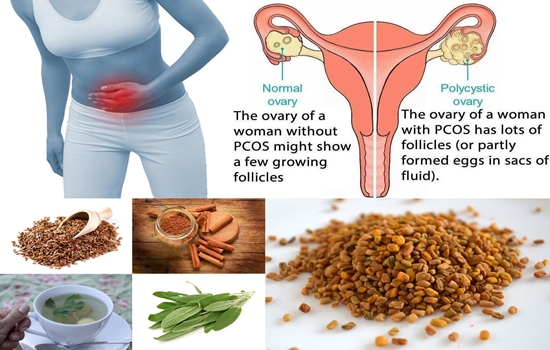
In medical terms, PCOS is a metabolic and endocrine disorder. In simpler terms, it means your body’s hormones are out of balance. This imbalance often stems from insulin resistance, where your body struggles to process sugar effectively, leading to higher insulin levels.
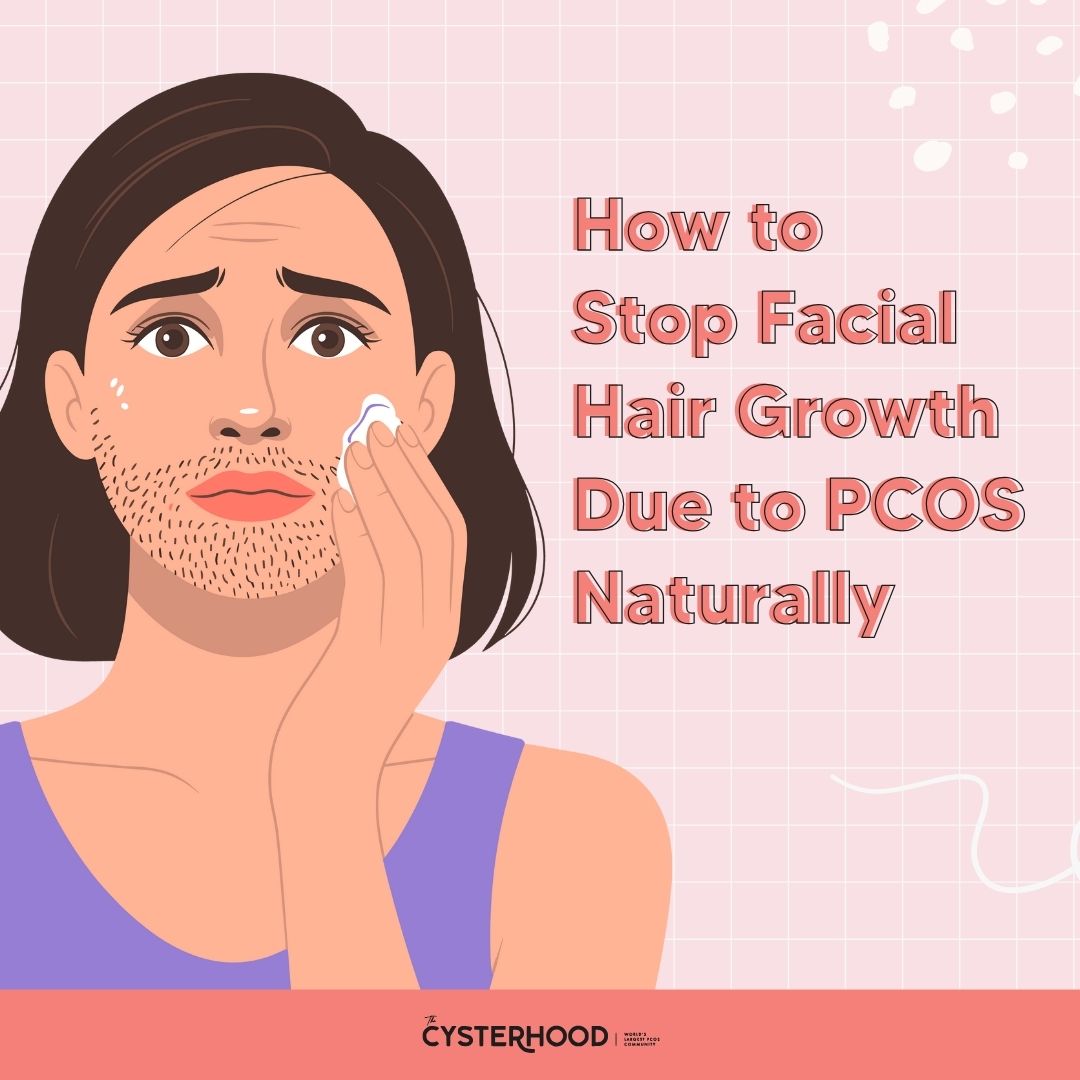
Excess insulin triggers the ovaries to produce too many androgens (male hormones). This leads to common symptoms such as irregular periods, acne, and unwanted facial hair growth. Inflammation also plays a key role, making the body more sensitive to stress and dietary triggers.
The Socio-Economic Impact on Pakistani Families
In the local Pakistani context, PCOS carries a significant socio-economic burden. Infertility, a frequent complication of untreated PCOS, can place immense emotional and social pressure on young couples and their extended families. The cultural emphasis on growing a family makes early diagnosis and management vital.
Furthermore, the long-term health risks associated with PCOS, such as Type 2 diabetes and cardiovascular issues, can lead to increased medical costs over time. By focusing on managing PCOS naturally through lifestyle changes, families can reduce the reliance on expensive lifelong medications and improve the quality of life for women in the household.
Natural Strategies for Hormonal Balance
The foundation of managing PCOS naturally starts in the kitchen and with daily movement. At Sidra Family Hospital, our Nutrition department recommends a lifestyle-first approach to stabilize blood sugar and lower cortisol levels.
1. An Anti-Inflammatory Diet
Consider a 30-day trial of a gluten-free and dairy-free diet. Many women find that reducing these potential triggers significantly lowers systemic inflammation. Focus on high-protein, fiber-rich meals that prevent insulin spikes. Swapping your morning coffee for herbal teas can also help regulate your adrenal response.
2. Slow-Weighted Workouts
While high-intensity interval training (HIIT) is popular, it can sometimes spike cortisol levels in women with PCOS. Opt for slow-weighted workouts, strength training, or yoga. these movements build muscle and improve insulin sensitivity without putting the body into a “fight or flight” mode.
3. Stress Management and Sleep
Quality sleep (at least 7-8 hours) is non-negotiable for hormonal repair. High stress levels keep your body in a state of hormonal chaos. Incorporating mindfulness, acupuncture, and ensuring you are hydrated can significantly reduce androgen production.
The Forward Path: Steps to Success
The journey toward wellness is a marathon, not a sprint. Managing PCOS naturally requires patience and consistent tracking. We recommend keeping a cycle log to monitor ovulation and symptom changes. This data is invaluable when consulting with your healthcare provider.
At Sidra Family Hospital, our dedicated Gynecology and Nutrition departments work in tandem to create personalized wellness plans. We provide diagnostic support, fertility guidance, and natural management strategies tailored to your unique hormonal profile.
When to Visit Sidra Family Hospital
If you are experiencing irregular cycles, persistent acne, or difficulty conceiving, it is time to seek professional guidance. Our “Family-First” care ensures that you are treated as a whole person, not just a set of symptoms. Together, we can build a sustainable path toward health and vitality.